
Eyeglasses — types, parts, history and common uses
Comprehensive overview of eyeglasses: parts, materials, lens types, frame styles, common uses, care, alternatives and public-health role. Practical guidance on selection and maintenance.
Overview
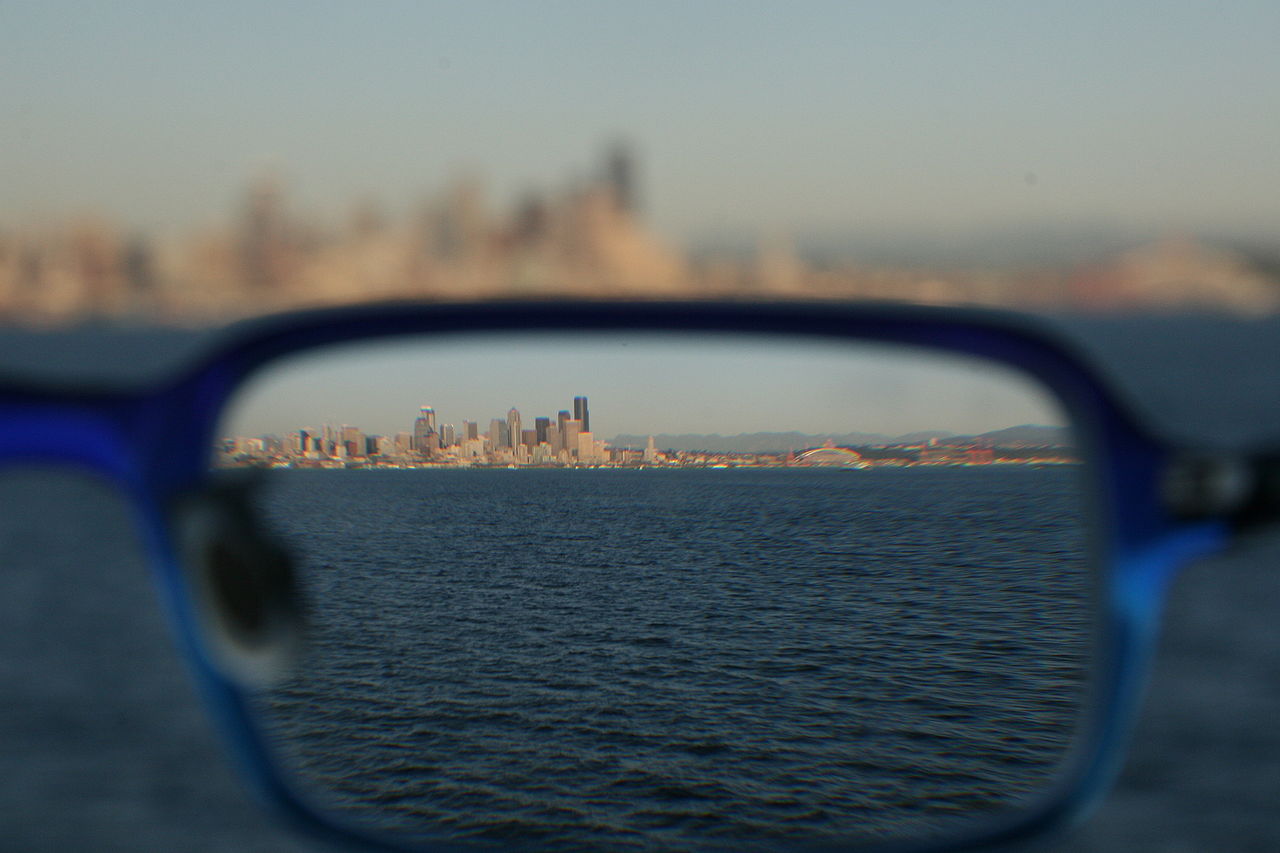
Eyeglasses, also called glasses or spectacles and sometimes informally as "cheaters," are devices that position optical lenses in front of a person's eyes. By bending (refracting) light before it enters the eye, lenses help form clearer images on the retina. Eyeglasses are used to correct refractive errors, protect the eyes from hazards or sunlight, and serve as fashion accessories. Modern eyewear combines optical performance with a range of materials and aesthetic choices.
Image gallery
10 Images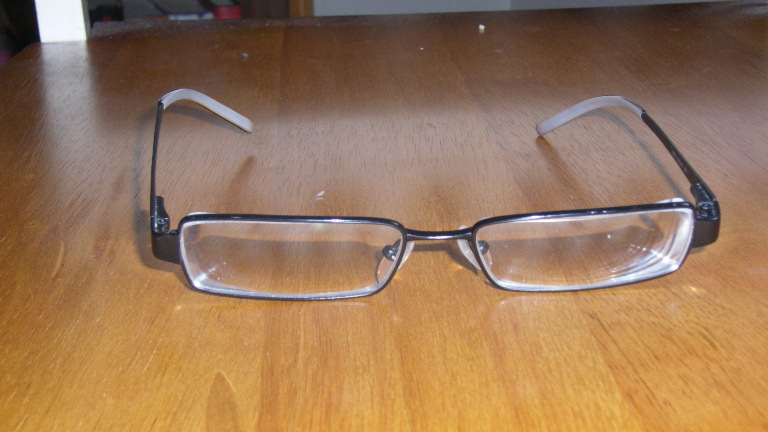




Parts and materials
A typical pair of eyeglasses has two main components: the lenses and the frame. Lenses are commonly made from optical glass or molded plastic and can be single-vision, bifocal, trifocal or progressive. Frames are constructed from metals such as stainless steel or titanium and from various metal alloys or plastics; many designs mix materials to balance weight, strength and style. Common frame elements include the bridge, nose pads, temples and hinges; measurements such as lens width, bridge width and temple length guide fit.
Lens technologies and coatings
Lenses may incorporate treatments to improve performance: anti-reflective coatings reduce glare, scratch-resistant layers extend life, and ultraviolet-blocking coatings protect ocular tissues. Other options include photochromic lenses that darken in sunlight, polarized lenses that reduce reflected glare, and high-index materials that make strong prescriptions thinner and lighter.
Styles, types and uses
- Corrective glasses: designed to address myopia, hyperopia, astigmatism and presbyopia; available in many optical designs.
- Safety and protective eyewear: impact-resistant lenses and frames for industrial, laboratory or sports use.
- Sunglasses: tinted or polarized lenses for glare reduction and UV protection; can be prescription or non-prescription.
- Cosmetic and fashion eyewear: frames or non-prescription lenses chosen primarily for appearance.
History, manufacturing and fitting
Wearable eyeglasses developed over centuries as lens-making and frame construction improved. Modern manufacturing combines precision lens surfacing, automated edging and quality control to meet prescriptions. Proper fitting requires alignment of optical centers with the wearer's pupils (often measured as pupillary distance) and adjustments to ensure comfort and visual accuracy.
Care, alternatives and public health
Routine maintenance includes cleaning with appropriate cloths and solutions, periodic adjustment of frame fit, and regular eye examinations to update prescriptions. Alternatives to glasses include contact lenses and refractive surgery; each option has advantages and limitations. As a widely accessible assistive device, eyeglasses contribute to education, workplace safety and general eye health.
Choosing eyewear
When selecting glasses consider the intended use, lens material and coatings, frame fit and durability. Consult an eye-care professional for an accurate prescription and fitting recommendations. For more information on materials and choices see resources on glass options, plastics and polymers, lens design at lens technologies, eye-care guidance at eye health, and frame construction at frame materials.
Questions and answers
Q: What are eyeglasses?
A: Eyeglasses are pieces of glass or clear plastic, called lenses, that are held in front of a person's eyes by a frame made of metal or plastic.
Q: What is the purpose of eyeglasses?
A: Eyeglasses can be used for many reasons including safety, fashion and to correct a person's vision.
Q: Are there other names for eyeglasses?
A: Yes, eyeglasses may also be referred to as glasses or spectacles and more rarely cheaters.
Q: What materials are used to make eyeglasses?
A: Eyeglasses consist of lenses which are usually made from glass or clear plastic and frames which are typically made from metal or plastic.
Q: Do people wear eyeglasses only for vision correction?
A: No, people may also wear eyeglassses for safety purposes and fashion.
Q: Is it common to have multiple pairs of eyeglasses?
A: Yes, some people have multiple pairs of glasses with different styles and colors depending on their needs and preferences.
Related articles
Author
AlegsaOnline.com Eyeglasses — types, parts, history and common uses Leandro Alegsa
URL: https://en.alegsaonline.com/art/33075
Sources
- commons.wikimedia.org : Glasses
- nymag.com : "Do Blue-Light-Blocking Glasses Actually Do Anything?"