
Mirror: types, construction, optical behavior, uses and history
An overview of mirrors: how they reflect light, common types (plane, concave, convex), construction methods, historical development, practical uses and notable optical properties.
Overview
A mirror is any surface that returns light so that an image of objects in front of it can be seen. In everyday language a mirror usually means a flat piece of glass whose back has been coated with a reflective metal, producing a clear image of a person or scene. The basic optical action of a mirror—reflection—follows simple geometric rules and is central to optics, photography and many instruments. For a basic introduction to the physics involved see reflection.
Image gallery
10 Images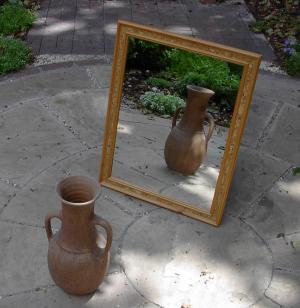




Types and optical behavior
Mirrors are grouped by shape and by which side is reflective. The most common shapes are:
- Plane mirrors (flat) produce virtual images that are upright and the same size as the object; they produce lateral inversion of text or faces.
- Concave mirrors (curved inward) can converge light to a focus and produce enlarged or real images depending on the object distance.
- Convex mirrors (curved outward) diverge light and give a wider field of view with smaller, virtual images useful for safety and surveillance.
Curved mirrors alter apparent size and field of view in ways analogous to lenses; for a comparison with refractive optics see lenses and curved optics. Water, polished metal and other smooth surfaces also act as mirrors when they reflect enough light—examples include a calm pond or a polished metal plate (water, metal, surface).
Construction and materials
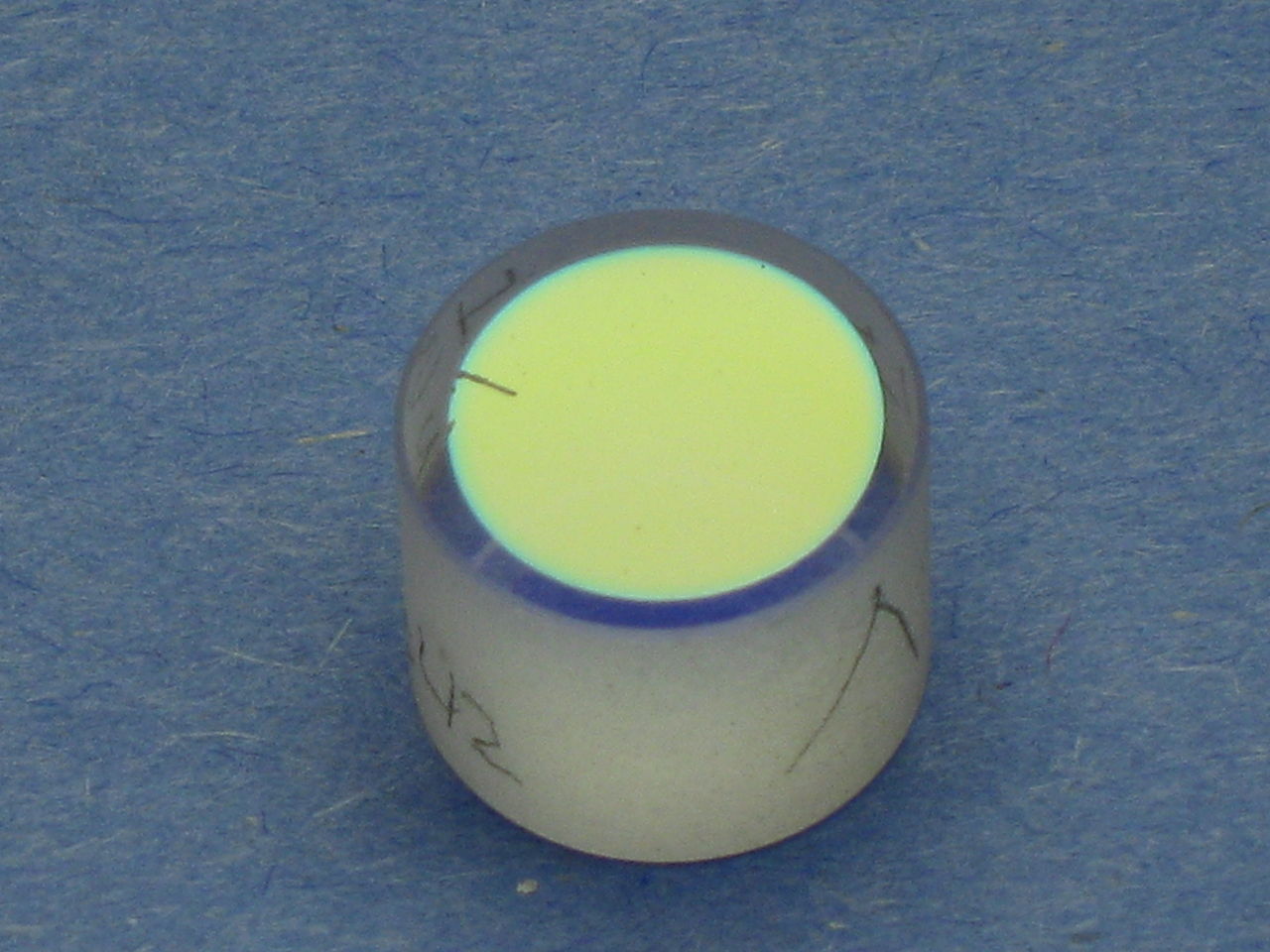
Domestic mirrors are typically made from a sheet of glass with a reflective coating applied to the back. Historically the coating often used silver; modern mass-produced mirrors are most commonly coated with aluminum applied by vacuum deposition. The process is sometimes called "silvering" even when another metal is used. For explanation of glass and mirror substrates see flat glass and for modern coatings see aluminum coatings.
Optical and scientific mirrors may be first-surface (reflective layer on the front) to avoid ghost reflections, and they are often protected by additional layers of paint or dielectric overcoats to preserve reflectivity and prevent corrosion.
History and development
Polished stone and metal have served as mirrors for millennia. Glass mirrors with metallic backing became widespread in Europe during the Renaissance, when craftsmen in places such as Venice refined techniques to bond reflective metals to glass. Over time chemical and vacuum techniques replaced older methods, improving clarity and durability and enabling large precision mirrors for telescopes and scientific instruments.
Uses and importance
Mirrors serve both practical and scientific roles. Common uses include personal grooming, interior decoration and architecture. In safety and transport, convex mirrors are used at intersections and on vehicles to increase visible area. In science and engineering they are central to telescopes, lasers, interferometers and many measuring devices. Examples include parabolic reflectors in satellite dishes and the large concave mirrors used in reflecting telescopes.
Notable facts and distinctions
- Text appears reversed left-to-right in a plane mirror (lateral inversion), but the phenomenon is better described as a reversal along the axis perpendicular to the mirror plane.
- Multiple reflections between parallel mirrors can produce an apparently infinite corridor of images.
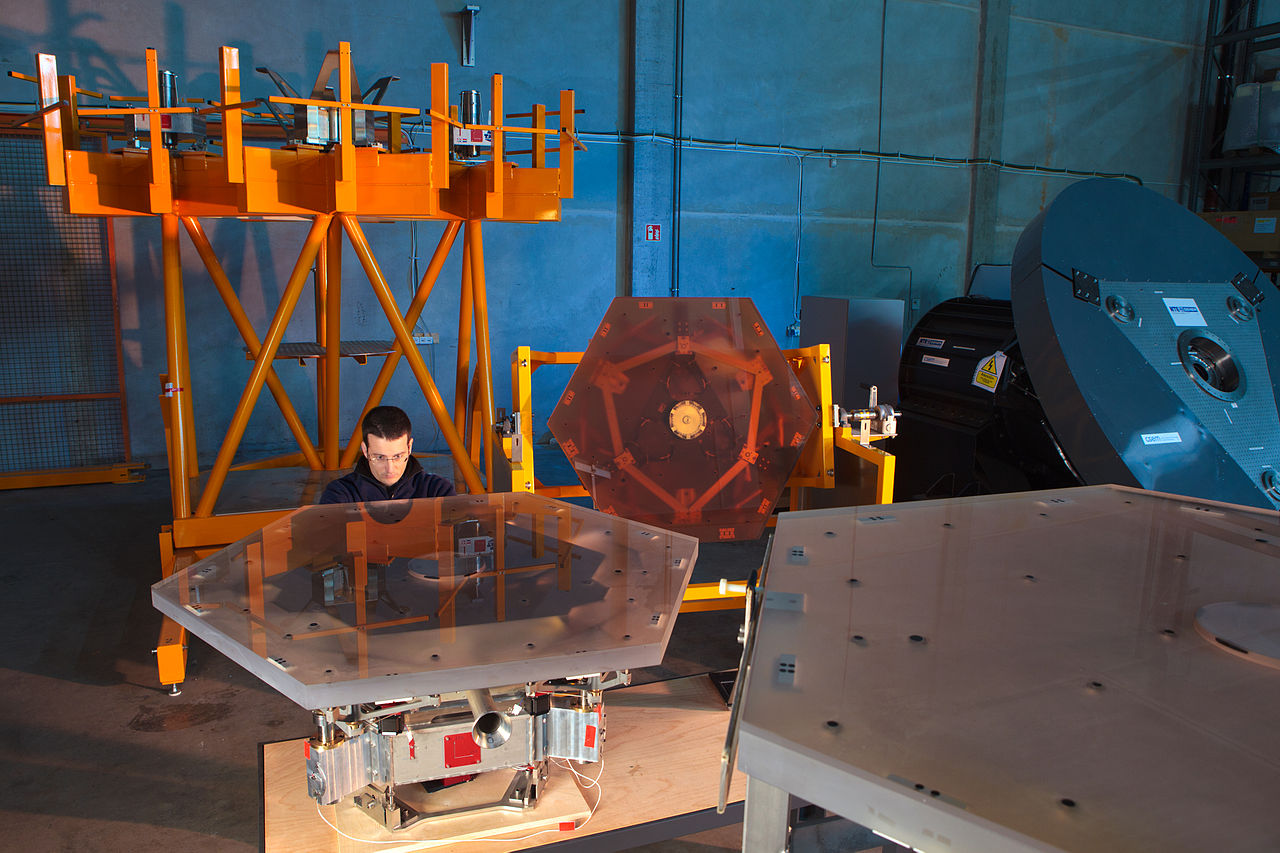
- High-precision mirrors are polished and coated to exacting standards for astronomy, microscopy and laser applications; these may use specialized coatings and substrates to control reflectance and thermal behavior.
For further reading and technical resources see general overviews of optical reflection and manufacturing guides such as metal mirrors and surface finishing, or modern coating techniques discussed at coating methods and optical components. Historical accounts of mirrormaking reference early Venetian glasswork and the evolution to vacuum-deposited coatings (metal backing).
Author
AlegsaOnline.com Mirror: types, construction, optical behavior, uses and history Leandro Alegsa
URL: https://en.alegsaonline.com/art/65403