
Neck (anatomy): structure, function, and clinical significance
The neck links the head and trunk and contains the cervical spine, major vessels, airway and digestive passages, muscles, nerves, lymphatic tissue, and skin.
The neck is the portion of the human body that connects the head to the trunk. It is a compact region that supports the skull, allows a wide range of movement, and provides a protected route for vital structures that pass between the head and chest.
Image gallery
5 Images

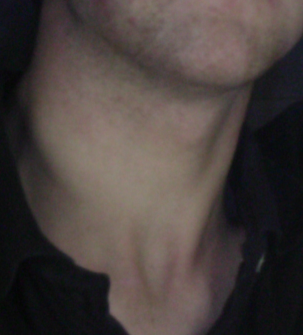


Anatomy and main components
Structurally the neck contains the cervical spine (a chain of seven vertebrae in humans) together with layers of muscles, nerves, and connective tissue. Closely associated are important blood vessels, including the carotid artery and jugular veins, which supply and drain blood to and from the head. The anterior neck contains the trachea (airway), the esophagus (food passage), and the larynx (voice box). Superficial coverings include the skin and subcutaneous tissues, while scattered lymph nodes form part of the immune system.
Functions and movements
The neck supports the weight of the head and permits flexion, extension, lateral bending and rotation, enabling vision and balance adjustments. Muscles such as the sternocleidomastoid and trapezius work with deeper stabilizers to control posture and movement. The neck also acts as a conduit: nerves and the spinal cord pass through the vertebral canal, while arteries, veins, the trachea and esophagus run in organized compartments to protect them during motion.
Clinical importance
Neck problems are common and can arise from muscle strain, degenerative changes of the cervical spine, trauma (for example whiplash), infection of lymph nodes, or vascular injury. Because the neck houses airway and major blood vessels, injuries here can be life-threatening and often require prompt assessment. Common long-term conditions include cervical spondylosis and nerve root compression; physical therapy, medications, and sometimes surgery are treatment options.
Development and comparative notes
In vertebrate evolution the neck varies widely: some animals have many more vertebrae and much greater length to allow different feeding or locomotor strategies, while the human neck balances mobility with support for an upright posture. During growth the cervical vertebrae and soft tissues develop to accommodate head size and posture, and congenital or acquired differences can affect function.
- Key structures: cervical spine, trachea, esophagus, larynx, carotid artery.
- Supporting tissues: muscles, connective tissue, skin, lymph nodes.
- Neurovascular: nerves and blood vessels run through defined neck compartments.
For general overviews and clinical guidance consult anatomy texts or medical resources. More detailed surgical or diagnostic information is available from specialist literature and clinical guidelines (see related resources).
Related articles
Author
AlegsaOnline.com Neck (anatomy): structure, function, and clinical significance Leandro Alegsa
URL: https://en.alegsaonline.com/art/68959