
Neoptera: the wing-folding insects
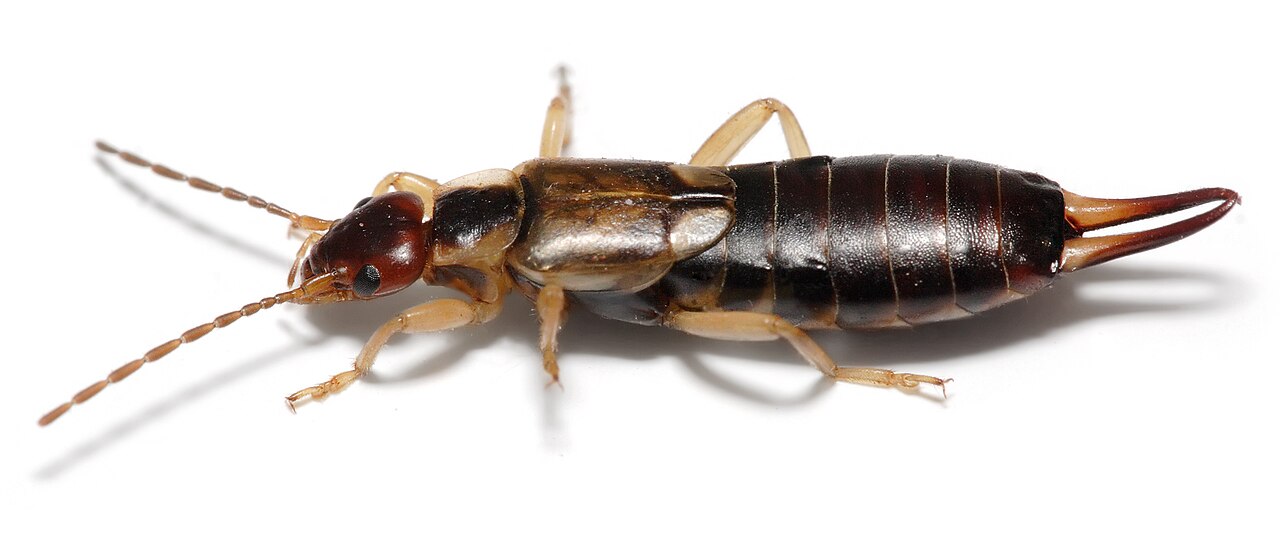
Neoptera is the clade of insects that can fold their wings over the abdomen. It includes most living winged orders and is defined by specialized wing articulation, diverse life cycles, and major ecological roles.
Overview — Neoptera is the name given to the large assemblage of modern winged insects distinguished primarily by their ability to fold or flex the wings flat over the back and abdomen. In entomological contexts it is treated as a major classification group that contains the vast majority of living winged insects. This folding capability is an important functional innovation that separates Neoptera from more primitive winged lineages.
Key characteristic — The defining feature of Neoptera is a set of modifications to the wing base and thoracic skeleton that permit wings to be drawn back and held against the body at rest. This capability to flex their wings improves protection, maneuverability, and the ability to occupy narrow refuges. By contrast, some basal orders of winged insects retain a more fixed wing posture and cannot fold the wings in the same way.
Image gallery
10 Images




Contrast with Palaeoptera and ancient groups
Neoptera are commonly contrasted with the Palaeoptera, often called the "ancient-winged" insects. Palaeoptera groups include the dragonflies and damselflies (Odonata) and the mayflies (Ephemeroptera), both of which lack the same wing-folding mechanism. Several extinct early winged lineages such as the Palaeodictyoptera are also grouped with the more primitive assemblages in fossil-based classifications.
Characteristics and diversity
Neopteran insects display wide variation in body form, mouthparts and life history. They include species with incomplete metamorphosis (nymphal stages) and those with complete metamorphosis (distinct larval, pupal and adult stages). The group contains both herbivores and predators, as well as parasites, decomposers and pollinators.
- Wing adaptation: articulated wing bases allow folding and complex wing movements.
- Developmental types: hemimetabolous and holometabolous life cycles are common.
- Ecological roles: pollination, predation, decomposition and crop impacts.
Representative orders and importance — Most familiar insect orders are neoptera: beetles, flies, ants and bees, butterflies and moths, true bugs and grasshoppers. These include some of the most speciose and ecologically dominant groups on Earth, and their diversity underpins many terrestrial ecosystems and human economies.
Evolutionary and fossil context — Neopteran lineages first appear in the fossil record among Carboniferous to Permian insect faunas and underwent major radiations through the Mesozoic and Cenozoic. The emergence of wing-folding is considered a key innovation that allowed exploitation of new niches and effective concealment, contributing to the long-term success of these insects.
Further reading — For more on classification, morphology and evolutionary history see general entomology references and summaries at portals and databases: classification overview, wing evolution, insect diversity, and comparative pages on wing mechanisms and basal orders. For contrasts with ancient groups consult resources on Ephemeroptera, Odonata and fossil assemblages such as the Palaeodictyoptera.
Related articles
Author
AlegsaOnline.com Neoptera: the wing-folding insects Leandro Alegsa
URL: https://en.alegsaonline.com/art/69160