
Natural Gas: Composition, Uses, Extraction, and Environmental Effects
Comprehensive overview of natural gas: what it is, how it is produced and transported, its uses in energy and industry, environmental impacts, and distinctions among types.
Overview
Natural gas is a flammable mixture of hydrocarbon gases that occurs in the Earth’s crust and in some organic-rich environments. Its principal component is methane (CH4), accompanied by other light hydrocarbons such as ethane, propane and butane, plus small amounts of carbon dioxide, nitrogen and trace contaminants. It is a major global energy source used for heating, electricity generation and as a feedstock for industrial chemistry.
Image gallery
10 Images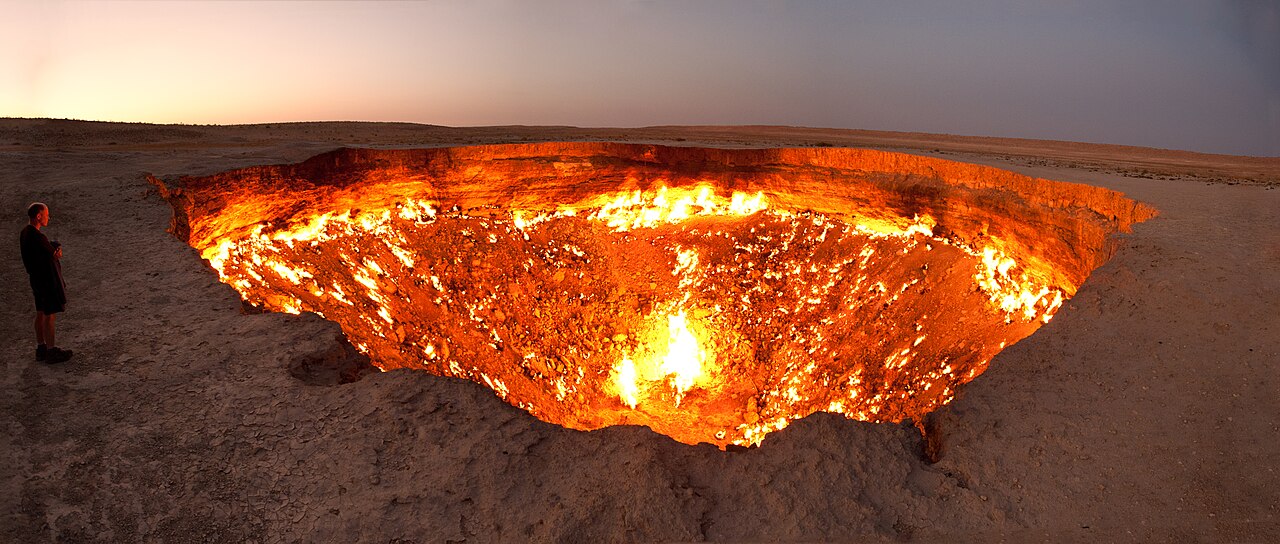


Characteristics and types
Natural gas occurs in several forms. Conventional gas is found in porous rock reservoirs, often together with crude oil. Unconventional gas includes shale gas, tight gas and coalbed methane, which require advanced extraction methods. Biogas and landfill gas are renewable sources of methane produced by decomposition of organic matter. The gas can be processed to remove water and impurities, and liquids are often separated for sale as natural gas liquids (NGLs).
Extraction, processing and transport
Gas is recovered by drilling wells and may require stimulation techniques such as hydraulic fracturing in low-permeability formations. After production it is treated to remove water, hydrogen sulfide and other contaminants, and to recover NGLs. For long-distance or overseas transport, gas is cooled to form liquefied natural gas (LNG) and shipped in insulated tankers; overland it typically moves through pipeline networks to consumers and power plants.
Uses and industrial importance
Most natural gas is combusted to produce heat or electricity. Combined-cycle gas turbines are common in power generation because they are relatively efficient. In industry, natural gas is a key feedstock: it supplies hydrogen for refining and ammonia manufacture, and it is the raw material for producing methanol and many petrochemicals used to make plastics, fertilizers and other chemicals. It is also used as a transport fuel in compressed (CNG) or liquefied (LNG) form.
Environmental impacts and climate considerations
Burning natural gas emits less carbon dioxide per unit energy than coal or oil, which can reduce some air pollutants and CO2 emissions in the short term. However, methane itself is a potent greenhouse gas; leaks during production, processing and transport can substantially offset climate benefits. Combustion also produces nitrogen oxides and, if incomplete, other pollutants. Balancing energy needs with emissions reduction has made gas both a transition fuel and a subject of environmental debate.
History, economics and distinctions
Human use of natural gas dates back centuries in limited local uses, but large-scale commercial production expanded with 19th- and 20th-century drilling and pipeline development. The discovery of vast unconventional resources and advances in horizontal drilling and fracking greatly increased supplies in recent decades, changing markets and geopolitics. Important distinctions for policy and engineering include conventional vs unconventional gas, fossil vs biogenic methane, and pipeline vs LNG supply chains.
Related topics and further reading
- Composition and chemical properties
- Physical characteristics of gas
- Hydrocarbons present in natural gas
- Methane and its role
- Methane as a greenhouse gas
- Climate impacts and global warming
- Association with petroleum
- Landfill and biogas sources
- Pipeline transport systems
- Combustion and fuel uses
- Energy generation with gas
- Air pollution considerations
- Nitrogen oxides from combustion
- Electricity generation methods
- Natural gas as transport fuel
- Power station technologies
- Turbine and generator basics
- Hydrogen production from gas
- Fuel cells and hydrogen uses
- Ammonia synthesis and uses
- Fertilizers and agricultural use
- Petrochemical feedstocks and plastics
Note: This article summarizes widely known aspects of natural gas. Technical details, regulations and market conditions vary by country and over time.
Related articles
Author
AlegsaOnline.com Natural Gas: Composition, Uses, Extraction, and Environmental Effects Leandro Alegsa
URL: https://en.alegsaonline.com/art/68764