
Nitrogen dioxide (NO2) — properties, sources, and impacts
Nitrogen dioxide (NO2) is a reddish-brown, toxic gas formed by combustion. It is an oxidant in the atmosphere, contributes to smog and acid rain, and is an important industrial intermediate.
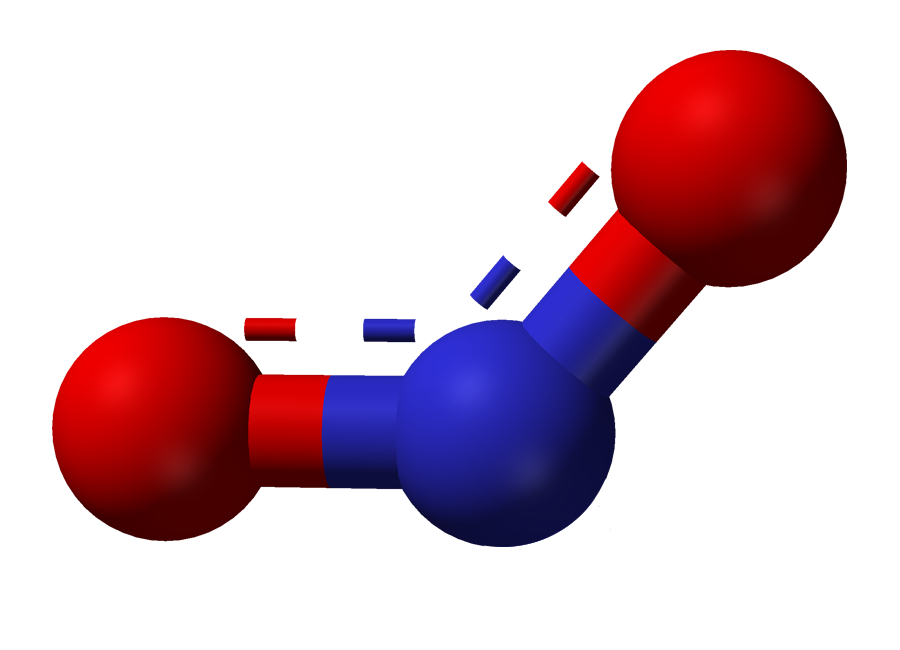
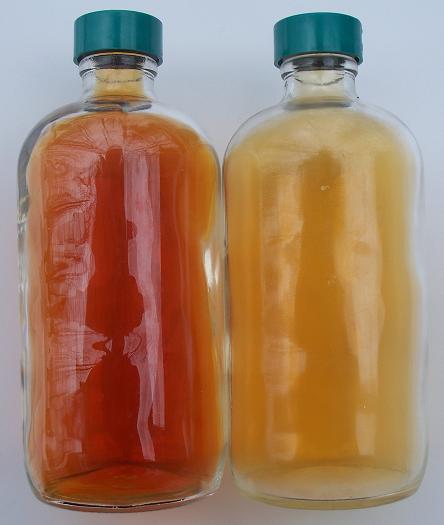
Nitrogen dioxide is a chemical compound with the formula NO2. It is a reddish-brown gas with a sharp, acrid odor and acts as a strong oxidizing agent. Structurally it is a covalent molecule composed of one nitrogen atom bonded to two oxygen atoms; the nitrogen center has an oxidation state of +4. For general context see chemical compound references.
Image gallery
9 Images


Properties and chemistry
NO2 is paramagnetic because it has an unpaired electron. At lower temperatures it partially dimerizes to form dinitrogen tetroxide (N2O4), an equilibrium that depends on pressure and temperature. The molecule is reactive toward organic and inorganic substrates and participates in radical reactions in the atmosphere. For discussions of its oxidation behavior see oxidation state resources.
Sources and environmental impacts
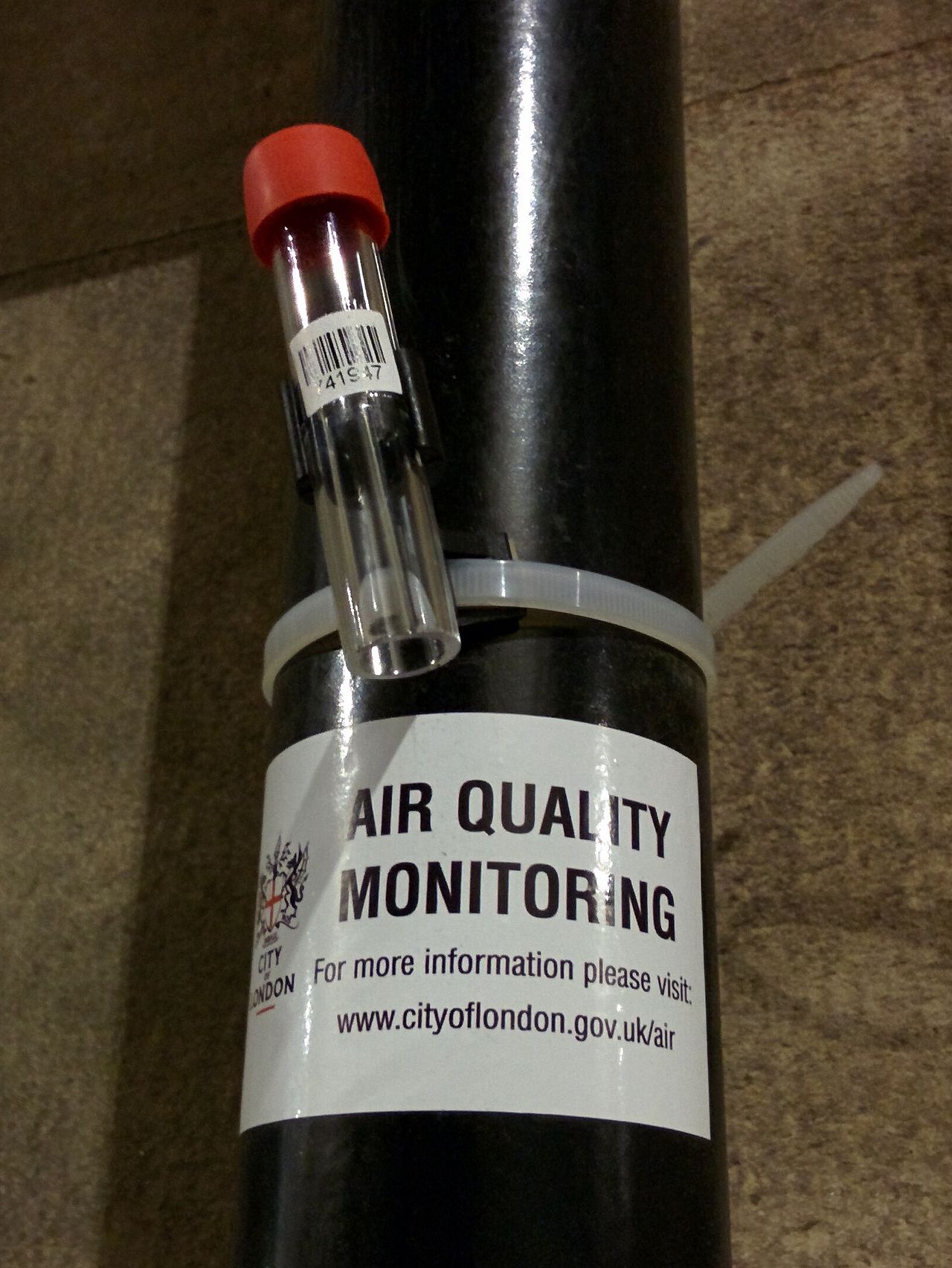
Major sources include combustion processes such as vehicle engines, power plants, industrial furnaces, and biomass burning. In the atmosphere NO2 contributes to ground-level ozone formation and to production of nitric acid, which leads to acid deposition. It is a key component of urban air pollution chemistry and of photochemical smog.
Health and ecological effects include respiratory irritation, reduced lung function, and increased susceptibility to respiratory infections. Ecologically, nitrogen oxides can alter nutrient cycles and harm sensitive vegetation. Regulatory and public-health efforts focus on reducing emissions from transportation and energy production.
Uses and practical notes: NO2 is encountered as an intermediate in industrial processes (for example in nitric acid manufacture) and as a reagent in laboratory nitration and oxidation reactions. It should be handled with strict controls because of its toxicity and corrosive properties.
- Related species: nitric oxide (NO) and dinitrogen tetroxide (N2O4)
- Appearance: reddish-brown gas
- Concerns: respiratory hazard, contributor to smog and acid rain
Tags
Related articles
Author
AlegsaOnline.com Nitrogen dioxide (NO2) — properties, sources, and impacts Leandro Alegsa
URL: https://en.alegsaonline.com/art/70377