
Nerve agent
An overview of nerve agents: toxic organophosphorus chemicals that disrupt the nervous system, historical development, symptoms and treatment, legal status, and long-term effects.
Nerve agents are a class of highly toxic chemical compounds designed to interfere with communication within the nervous system. They are often called "nerve gas," but that term is misleading: many are liquids or oily substances rather than true gases. Modern descriptions emphasize mechanism and effects rather than physical state; see chemical agents and the note that they are not always gases. Exposure interferes with normal nerve signaling by altering how nerves transmit impulses to and from the nervous system, including the brain, muscles and internal organs.
Image gallery
4 Images


Mechanism and characteristic effects
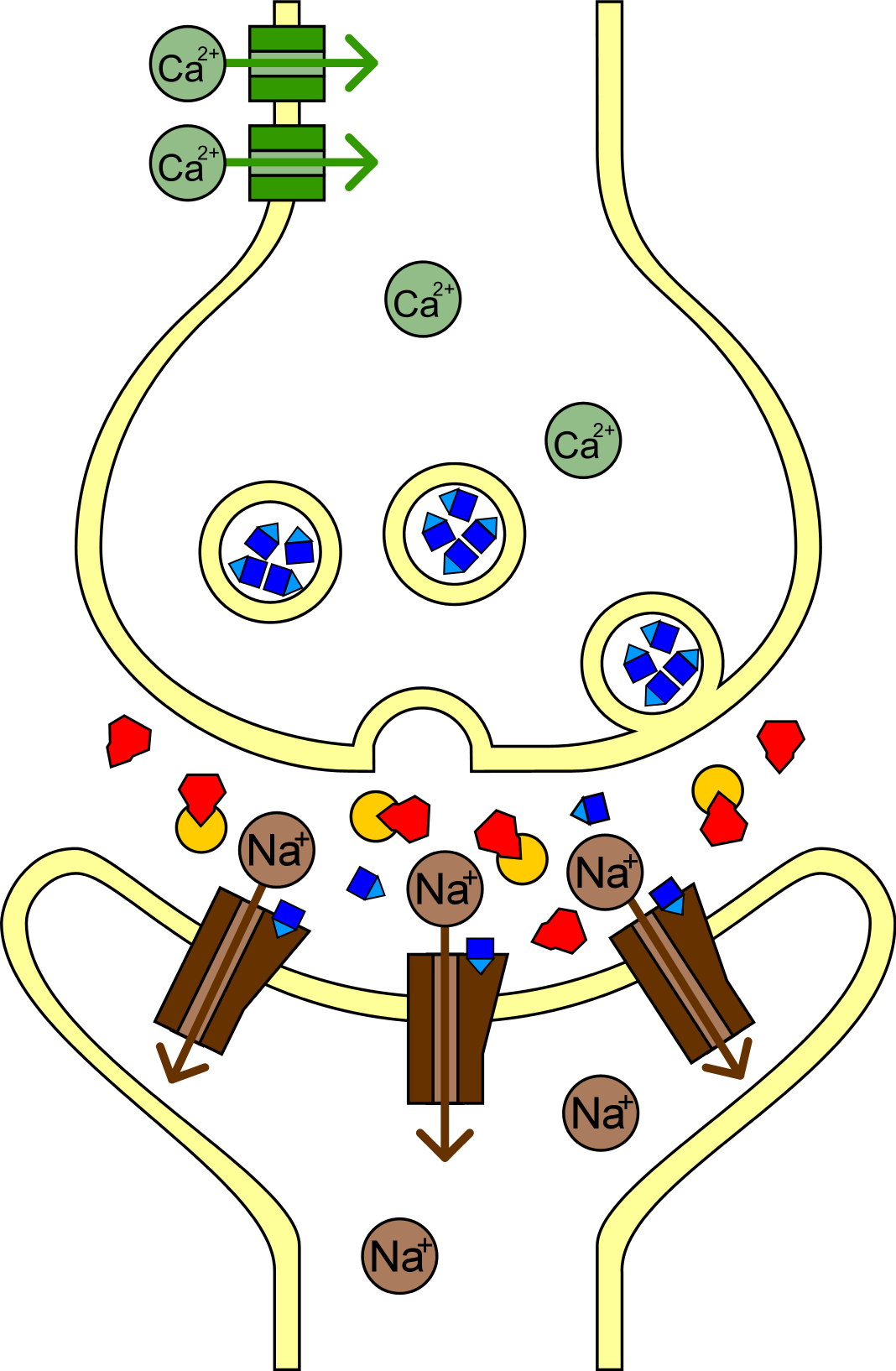
Most classic nerve agents belong to the organophosphorus chemical family and contain phosphorus as part of their structure; this chemical relationship links them to other organophosphates used in agriculture. They act primarily by inhibiting the enzyme acetylcholinesterase, which normally breaks down the neurotransmitter acetylcholine. When the enzyme is blocked, acetylcholine accumulates at nerve junctions and causes continuous stimulation of muscles and glands. This produces a characteristic set of signs and symptoms: constricted pupils, excessive salivation and tearing, sweating, runny nose, nausea, vomiting, muscle twitching, seizures and potentially fatal respiratory failure. The same biochemical basis connects toxic organophosphorus pesticides to these effects when people are accidentally or intentionally exposed; however, agricultural use and military application differ sharply in intent and concentration. The chemical class is commonly referred to as organophosphorus compounds and many agricultural pesticides share similar mechanisms.
Examples, history and legal status
Historically, several groups of nerve agents have been identified by chemists and militaries. Early discoveries led to the G-series agents and later to more persistent V-series agents; some are volatile like gases while others are persistent liquids designed to contaminate surfaces. Because of their high lethality and potential for indiscriminate harm, many international bodies classify nerve agents as chemical weapons and include them among substances of greatest concern. The weapons of mass destruction designation has influenced global policy, and the United Nations and states parties have worked to ban their use. International prohibition is embodied in modern treaties such as the Chemical Weapons Convention, and efforts since the 1990s have aimed to eliminate stockpiles and production. Survivors of poisoning often suffer from persistent neurological and psychiatric problems; long-term or chronic effects may include cognitive deficits, chronic pain and mood disorders.
Treatment and medical response
Immediate medical care focuses on decontamination, airway and breathing support, and drugs that reverse the chemical blockade. First-line antidotes include muscarinic antagonists such as atropine, oxime compounds that can reactivate acetylcholinesterase in some cases, and anticonvulsants for seizures. Rapid evacuation from the contaminated area, removal of contaminated clothing, and thorough skin cleansing are essential to prevent ongoing absorption. Emergency responders and hospitals treat nerve agent incidents differently than typical poisonings because of contamination risk and the need for protective equipment.
Importance, distinctions and notable facts
Nerve agents differ from other toxic chemicals by their specific enzymatic target and the rapidity of their effects. They are distinct from choking agents, blister agents or blood agents, which harm different organs or act by different mechanisms. Many civilian poisonings worldwide are caused by organophosphate pesticides rather than military-grade agents; understanding the shared chemistry helps clinicians treat both types of exposure. Because of their persistence, delivery method and toxicity, nerve agents remain a central focus of chemical safety, emergency preparedness and non‑proliferation efforts.
Further reading and resources
- Overview of nerve agents and chemical hazards
- Terminology: gas versus liquid agents
- Effects on the nervous system
- Neurological consequences of poisoning
- Muscle and respiratory impairment
- Organ systems affected
- Organophosphorus chemistry
- Relation to agricultural pesticides
- Exposure routes and contamination
- Classification as weapons of mass destruction
- United Nations policy and responses
- Chemical Weapons Convention and legal frameworks
- Long-term health and chronic effects
Questions and answers
Q: What is nerve gas or nerve agent?
A: Nerve gas or nerve agent is a family of chemical poisons that work by changing the way the nerves work in the human body, stopping messages from the brain from getting sent to the muscles and organs.
Q: Why are they called nerve agents?
A: Usually, people call them nerve agents, although they are not always gases.
Q: What do nerve agents contain chemically?
A: Nerve agents are organic chemicals that have phosphorus in them (organophosphates).
Q: Are there other chemicals that have the same effects as nerve agents?
A: Many organophosphates, which are pesticides, also have the same effects as nerve agents if people are exposed to them, but they are not used against people as weapons like nerve agents are.
Q: What is the classification of nerve agents by the United Nations and why?
A: Nerve agents are classified as weapons of mass destruction by the United Nations according to UN Resolution 687 since they are chemical weapons, and making or stockpiling them has been against international law since 1993.
Q: What are the effects of nerve agents on people who survive nerve agent poisoning?
A: Nerve agents have long-lasting effects, and people who survive nerve agent poisoning almost always have chronic damage to the brain and nerves, which can also cause mental health problems.
Q: Are nerve agents' effects reversible?
A: No, the damage caused by nerve agents is almost always chronic and irreversible, leading to long-lasting effects.
Related articles
Author
AlegsaOnline.com Nerve agent Leandro Alegsa
URL: https://en.alegsaonline.com/art/69217
Sources
- health.ny.gov : "Facts about Nerve Agents"
- treaties.un.org : "Reference: C.N.492.2015.TREATIES-XXVI.3 (Depositary Notification)"
- doi.org : 10.3109/15563657408987971
- pubmed.ncbi.nlm.nih.gov : 4838227
- cs.amedd.army.mil : Medical Aspects of Chemical and Biological Warfare
- utsw.ws : "EMS Subspecialty Certification Review Course: Organophosphates"
- emergency.cdc.gov : "Nerve Agents"
- avalon.law.yale.edu : "Laws of War: Declaration on the Use of Projectiles the Object of Which is the Diffusion of Asphyxiating or Deleterious Gases; July 29, 1899"
- un.org : "1925 Geneva Protocol"