
Pipeline: purpose, types, components, history and uses
A pipeline is a engineered conduit for moving fluids or slurries over distance. This article explains types, construction, history, operation, uses and distinctions from other transport methods.
Overview
A pipeline is a continuous conduit designed to move substances from one location to another. Most commonly they carry liquids and gases, but the term also covers systems that convey mixtures such as slurries. Pipelines range from small, local runs to long-distance networks that cross countries or the seabed. They are used where steady, high-volume transfer is required and are often preferred for reliability and low incremental cost after construction.
Image gallery
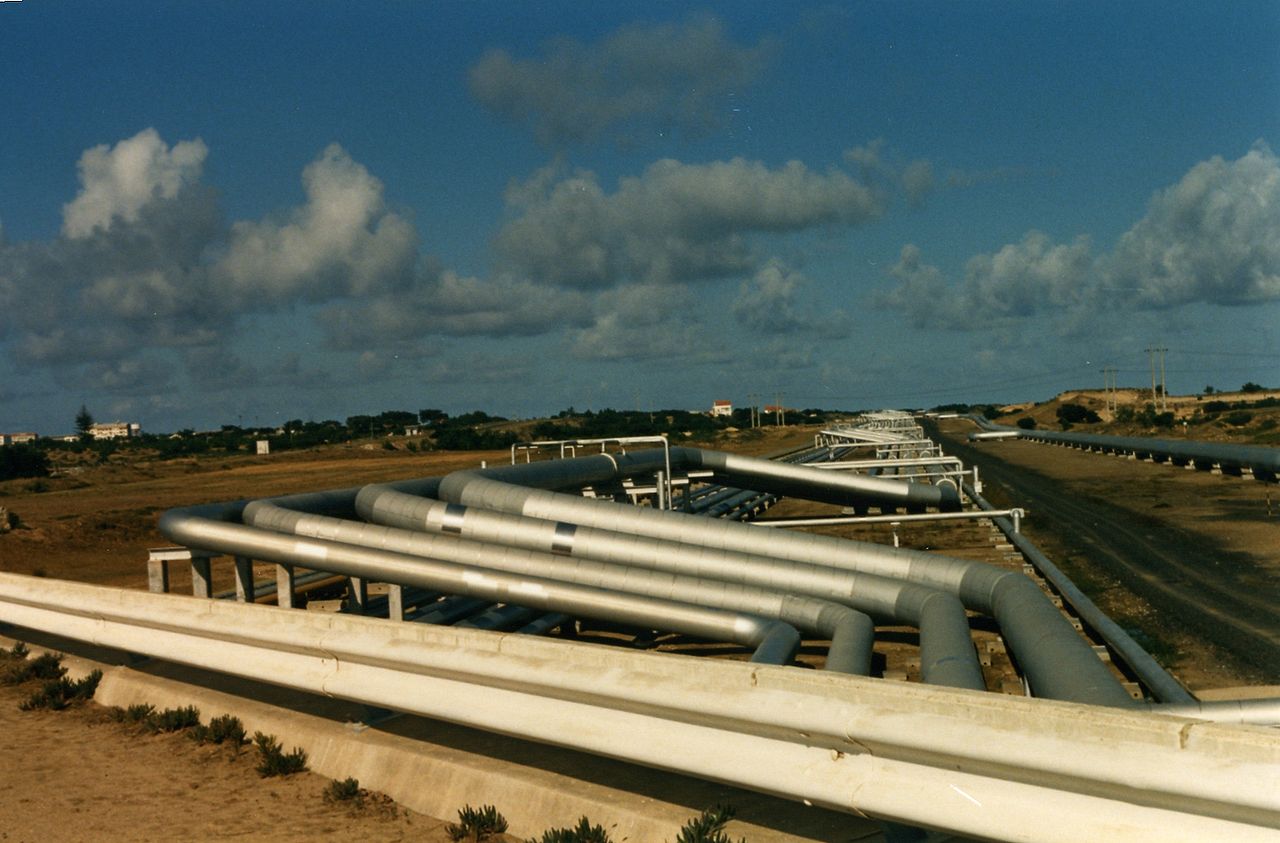
6 Images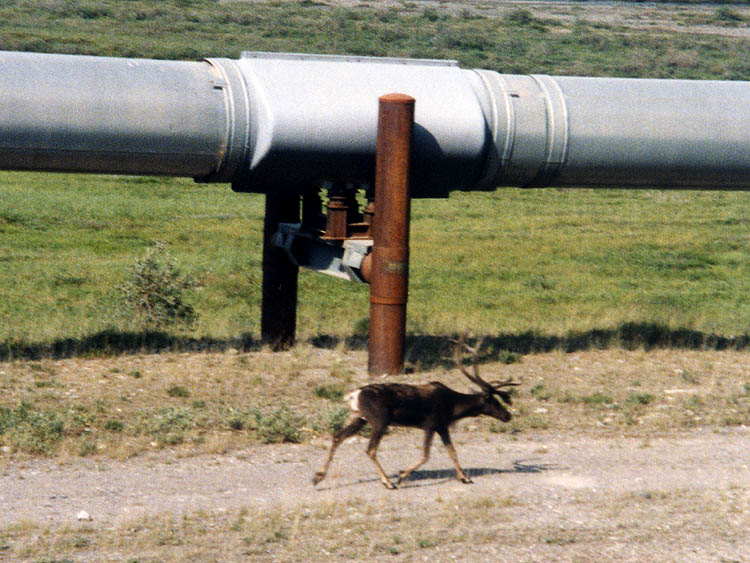



Structure and components
Pipelines are built from materials chosen for strength, corrosion resistance and economics; many large lines use metal such as steel, while smaller or specialty lines may use plastics or composite materials. Typical components include pump or compressor stations that maintain flow, valves for isolation, metering stations for measurement, and access points for maintenance. Inspection and cleaning are performed using devices called "pigs" that travel inside the pipe.
- Pumping/compression stations: provide the energy to move product.
- Valves and meters: control flow and monitor throughput.
- Coatings and cathodic protection: protect against corrosion.
- Pigging systems: for cleaning and internal inspection.
Special types and alternative systems
Some pipelines carry coarse mixtures called slurries, where solids are suspended in a liquid. For example, ores such as iron ore or crushed coal can be moved this way over moderate distances. Offshore and subsea pipelines transport oil and gas from marine platforms, while product pipelines move refined fuels and chemicals. Separate, small-diameter pneumatic tube networks transport items like letters and packages; systems for mail used capsules propelled by air and are sometimes called pneumatic tubes or capsule pipelines; the capsules themselves are referred to as capsules.
History and notable examples
Pipelines developed alongside industrialization. Early oil and water pipelines appeared during the 19th century and expanded in the 20th as nations built interconnected networks for natural gas and refined products. On a smaller scale, venues such as stadiums and large entertainment facilities use centralized tanks and internal lines to serve beer and other beverages to multiple outlets without individual kegs at each bar.
Economics, operation and impacts
Constructing a pipeline typically involves significant upfront expenditure for materials, land access and permitting, but operating costs are comparatively low; energy is required at stations, but bulk transport by pipeline often beats trucking or rail for continuous flows. Pipelines raise safety and environmental issues: leaks, corrosion, and third-party damage are managed through design standards, monitoring, routine inspection, and regulatory oversight. Newer concerns and innovations include carrying alternative fluids such as hydrogen or captured CO2, and digital monitoring for faster leak detection.
Why pipelines matter and how they differ from other transport
Pipelines are specialized infrastructure best for steady, continuous or high-volume movement of fluids and some slurries. Unlike road, rail or ship transport, pipelines operate largely unattended along their length and can be more energy-efficient per tonne-kilometre for suitable cargos. They require careful planning for routing, environmental permitting and community engagement, and they coexist with other transport modes where flexibility, speed, or small batch delivery are priorities.
Related articles
Author
AlegsaOnline.com Pipeline: purpose, types, components, history and uses Leandro Alegsa
URL: https://en.alegsaonline.com/art/77049