
Landfill: design, environmental effects, and management
Overview of landfills: how they are built and operated, their environmental impacts (methane, leachate), energy uses, and approaches to reduce harm and recover resources.
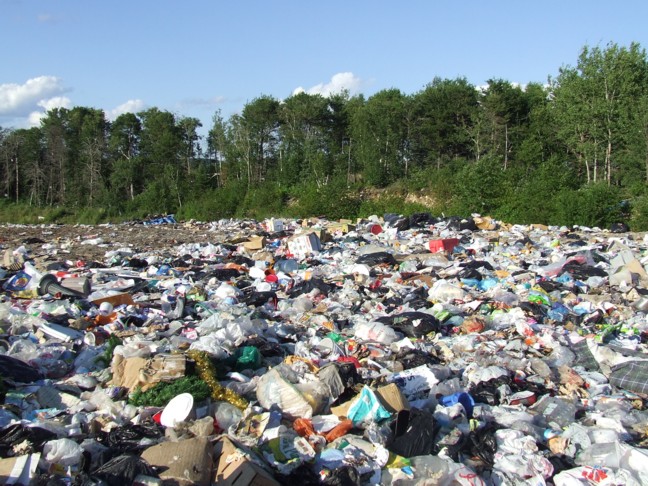
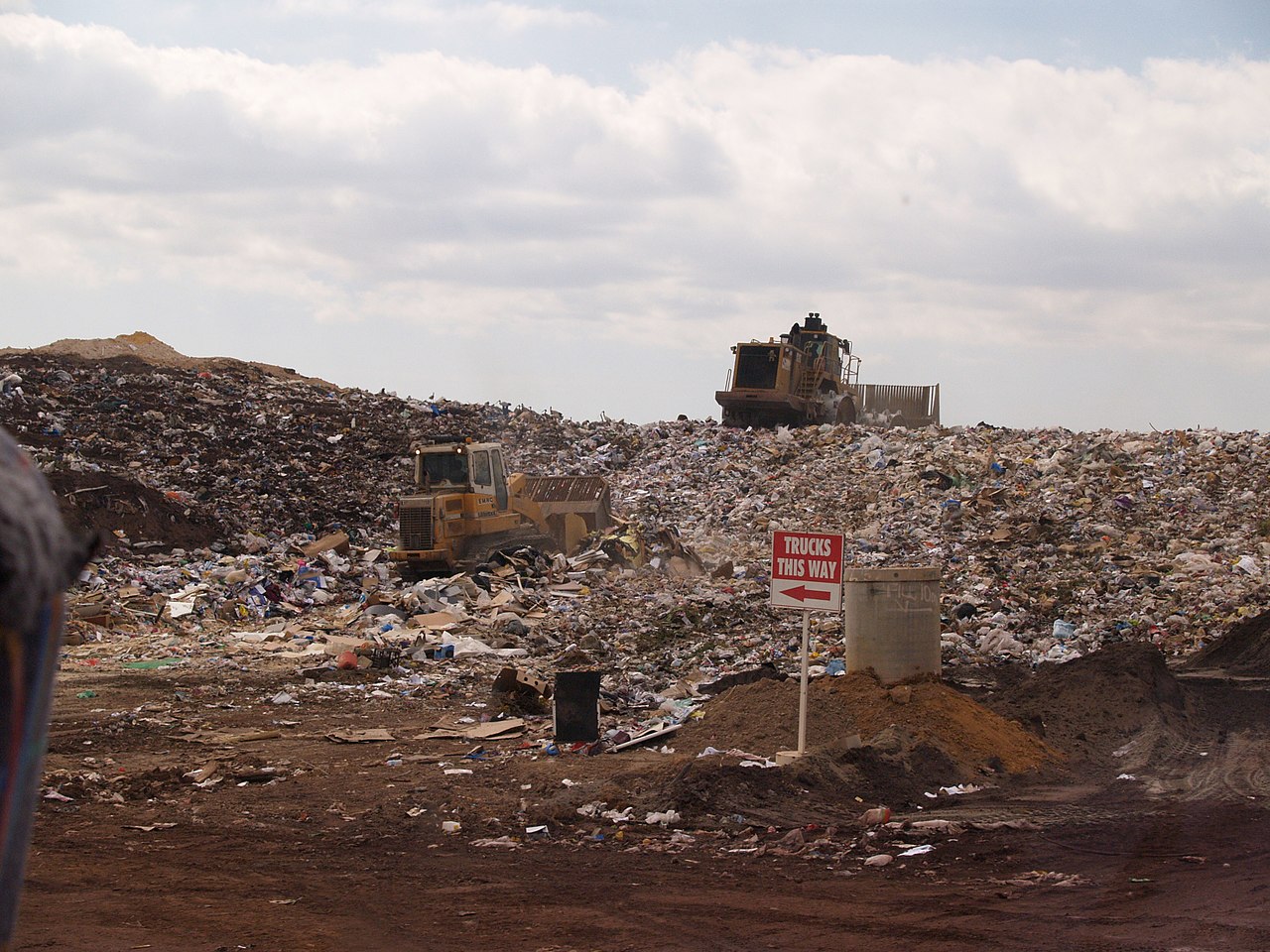
A landfill is an engineered site for the disposal of municipal, industrial, or construction waste. Modern landfills are more than simple pits: they are planned facilities that receive compacted refuse, commonly after sorting to remove recyclable materials and hazardous items. Historically placed in natural low areas, contemporary practice locates landfills with regard to geology, distance from populations, and environmental protection measures.
Image gallery
10 Images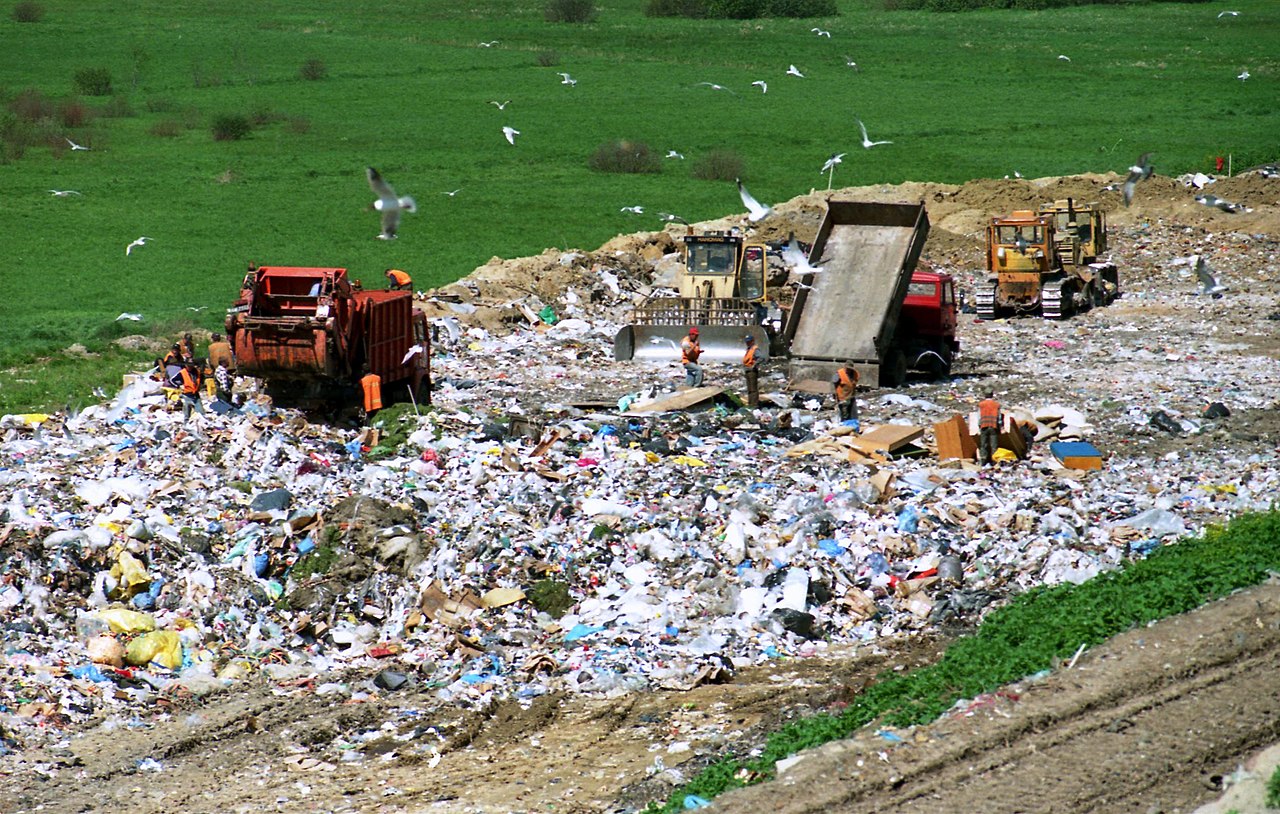






Basic components and operation
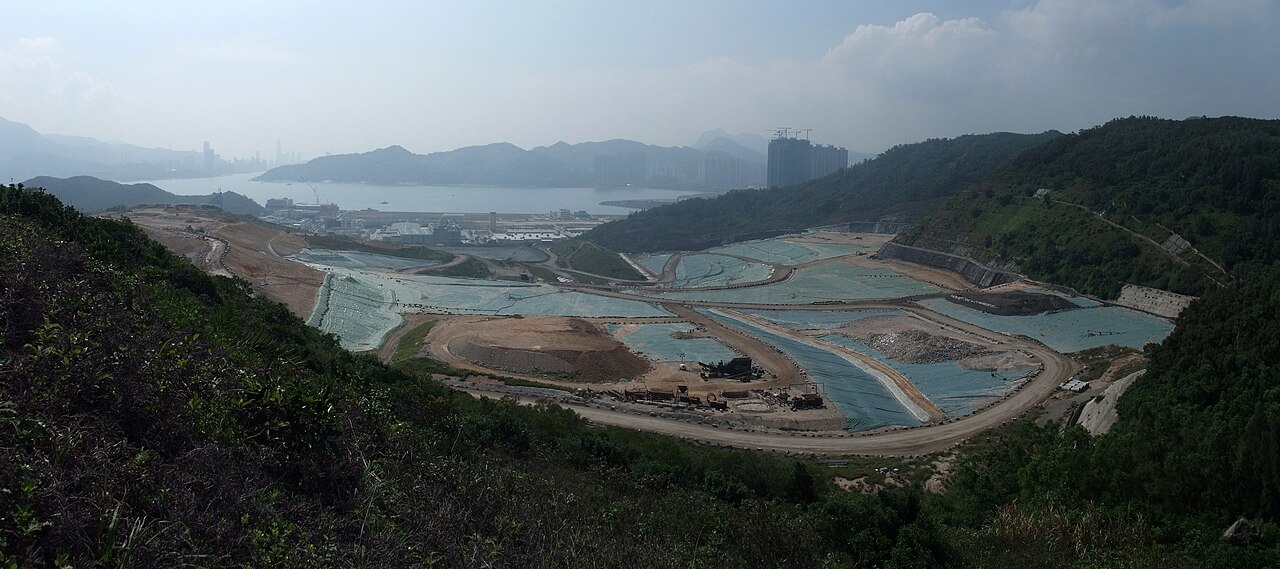
A working landfill typically includes several key elements designed to contain material and limit pollution. Operators deposit waste in cells, compact it to reduce volume, and cover daily with soil or alternative materials. Important engineered systems include:
- Bottom liner (clay and/or synthetic) to limit downward leachate movement.
- Leachate collection pipes and sumps that capture contaminated liquids for treatment.
- Gas collection networks to recover or flare gases produced by decomposing organic matter.
- Final cover and surface water controls to reduce infiltration and erosion.
Decomposition, gases, and risks
When organic material is compacted and buried with limited oxygen, microbial breakdown occurs under anaerobic conditions, a process often called anaerobic digestion. This produces landfill gas, largely carbon dioxide and methane, plus smaller amounts of other compounds. Methane is odourless and flammable; many sites also emit unpleasant compounds that contribute to a bad smell. If not managed, gas can migrate off site or accumulate in nearby structures, and liquid leachate can contaminate groundwater.
To limit harm, modern facilities collect leachate for treatment and either capture or combust landfill gas. Collected gas may be routed to engines, turbines, or boilers to produce energy, or it may be flared to convert methane to carbon dioxide, which has a lower short-term warming effect.
Environmental and social considerations
Landfills present several challenges: greenhouse‑gas emissions, potential groundwater contamination, odour and visual impact, and reduced local land value. For these reasons they are sited away from dense population centers and regulated with monitoring and closure requirements. Proper design and long-term care, often decades after closure, are necessary to manage ongoing gas and leachate generation.
Alternatives, recovery and policy
Many jurisdictions combine landfilling with waste-reduction strategies: recycling, composting, and waste-to-energy systems to divert organics and combustible materials before disposal. When organics are removed, the production of methane falls. Policy tools—landfill taxes, bans on certain materials, and extended producer responsibility—encourage diversion and more sustainable material use. For further reading on disposal practices and definitions see general resources about burial practices and waste management standards.
While landfill remains a core part of waste management in many countries, improvements in design, monitoring, gas recovery, and upstream waste reduction continue to reduce its environmental footprint and recover useful resources from what was once considered refuse.
Related topics: waste types, recycling, odour control, greenhouse gases, anaerobic processes, energy recovery.
Questions and answers
Q: What is a landfill?
A: A landfill is a place where waste is kept.
Q: How is waste usually disposed of in landfills?
A: Waste is usually buried in landfills.
Q: What is the purpose of sorting waste before burying it in landfills?
A: The purpose of sorting waste before burying it in landfills is to remove any recyclable materials.
Q: Why are landfills usually located far away from where people live?
A: Landfills are usually located far away from where people live because they have a bad smell and look bad.
Q: What is the danger of burying waste without oxygen in landfills?
A: The danger of burying waste without oxygen in landfills is that a dangerous gas called methane is created through a process called anaerobic digestion.
Q: How is methane from landfills used to generate energy in some countries?
A: Methane from landfills is used to generate energy in some countries by capturing it and burning it to produce electricity or heat.
Q: Why is it important to find more environmentally friendly ways to dispose of waste?
A: It is important to find more environmentally friendly ways to dispose of waste because landfills have negative impacts on the environment, such as air and water pollution, greenhouse gas emissions, and the depletion of natural resources.
Related articles
Author
AlegsaOnline.com Landfill: design, environmental effects, and management Leandro Alegsa
URL: https://en.alegsaonline.com/art/55812
Sources
- republicservices.com : "Republic Services Roosevelt Regional Landfill"
- www1.wmsolutions.com : "Denver Arapahoe Disposal Site (DADS) Landfill"
- wmnorthwest.com : "Columbia Ridge Recycling and Landfill"
- pinetreeacreslandfill.wm.com : "Pine Tree Acres Landfill"