
Multiple exposure (photography): concepts, techniques and creative uses
Multiple exposure is the technique of exposing the same photographic frame more than once to combine images. This article explains its mechanics, history, artistic uses, and modern digital equivalents.
Overview
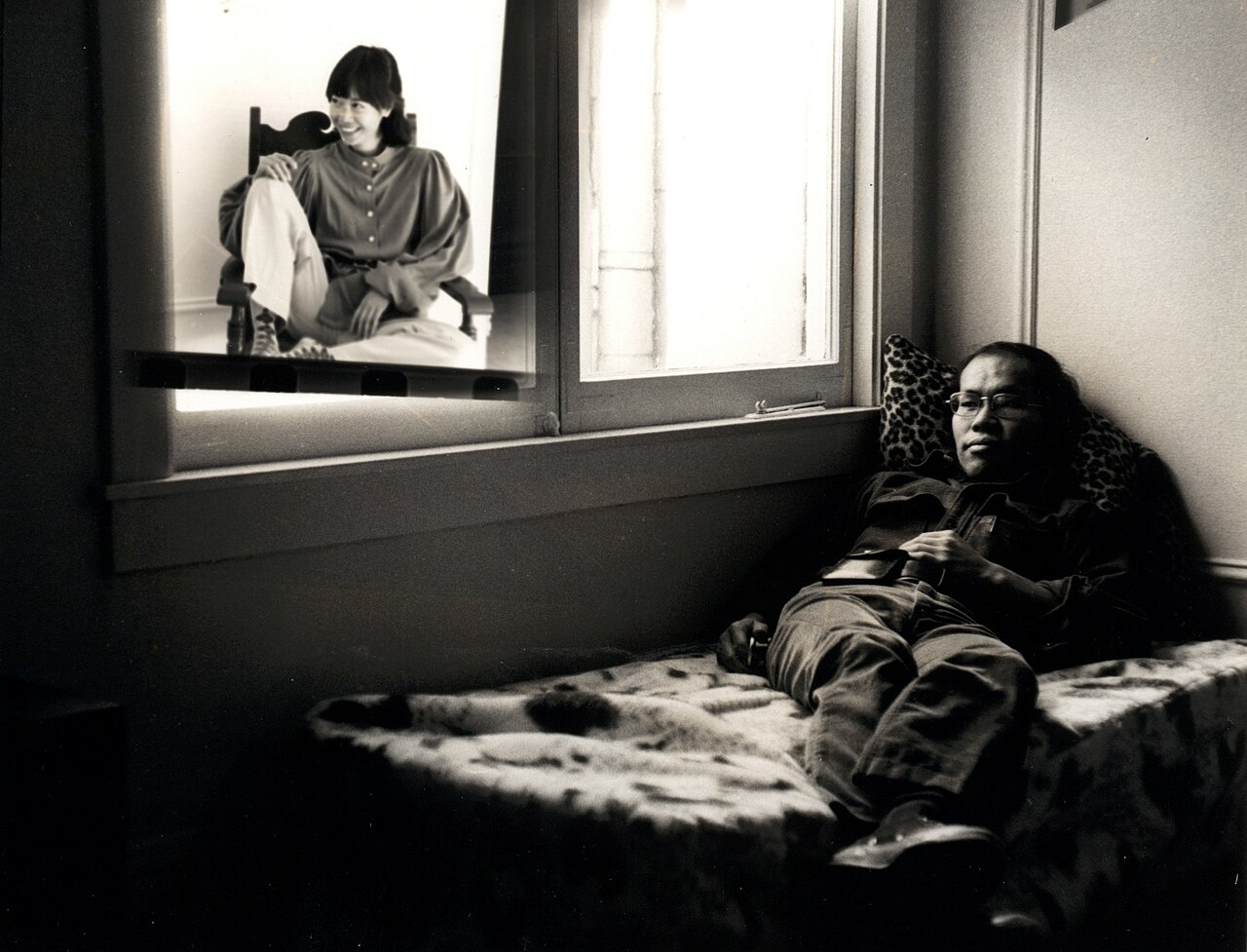
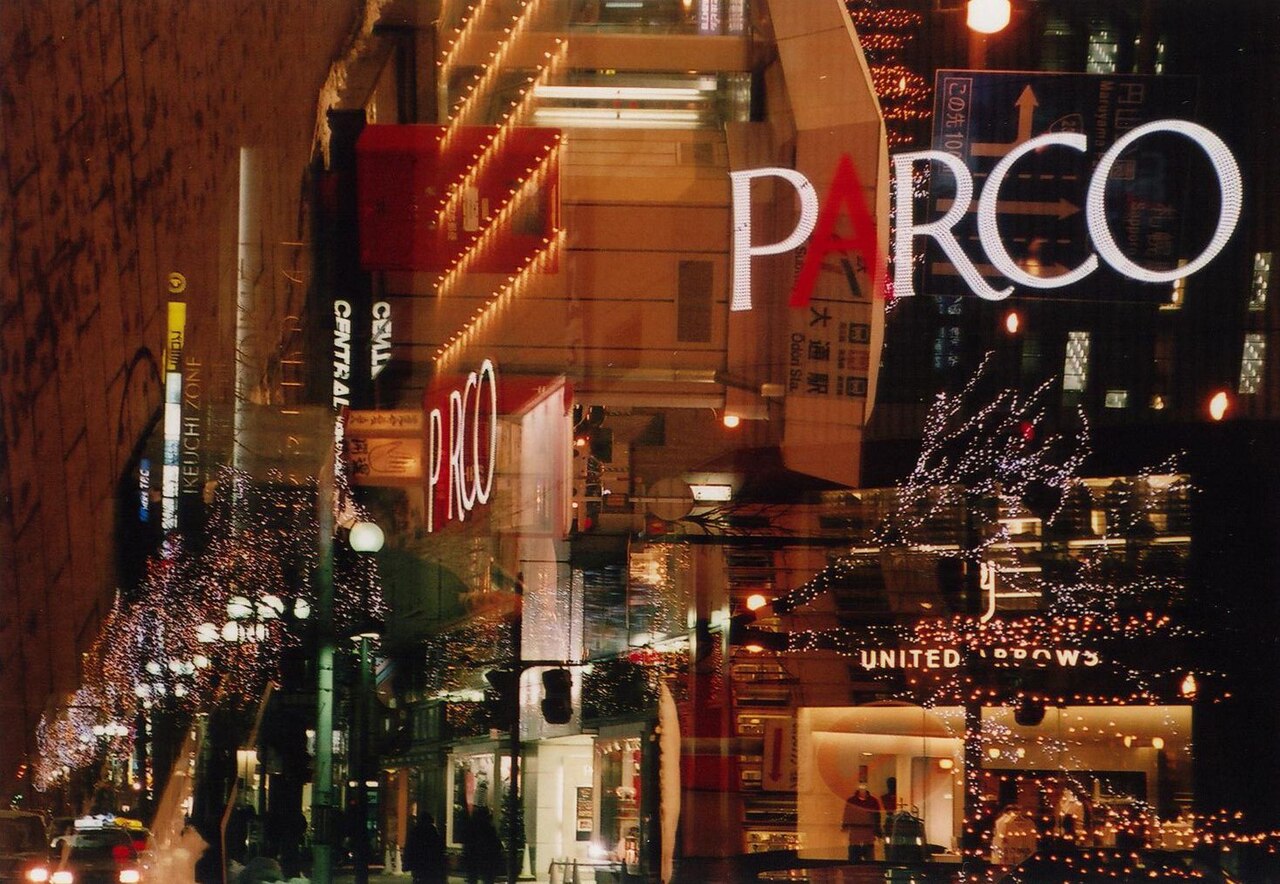
In photography, a multiple exposure occurs when the same film frame or digital sensor area is exposed more than once so that two or more images are recorded on a single final picture. When exactly two exposures are used it is often called a "double exposure"; the more general term covers any number of exposures. The visual result is a composite in which the exposures add together to form new textures, transparencies, or layered subject relationships.
Image gallery
10 Images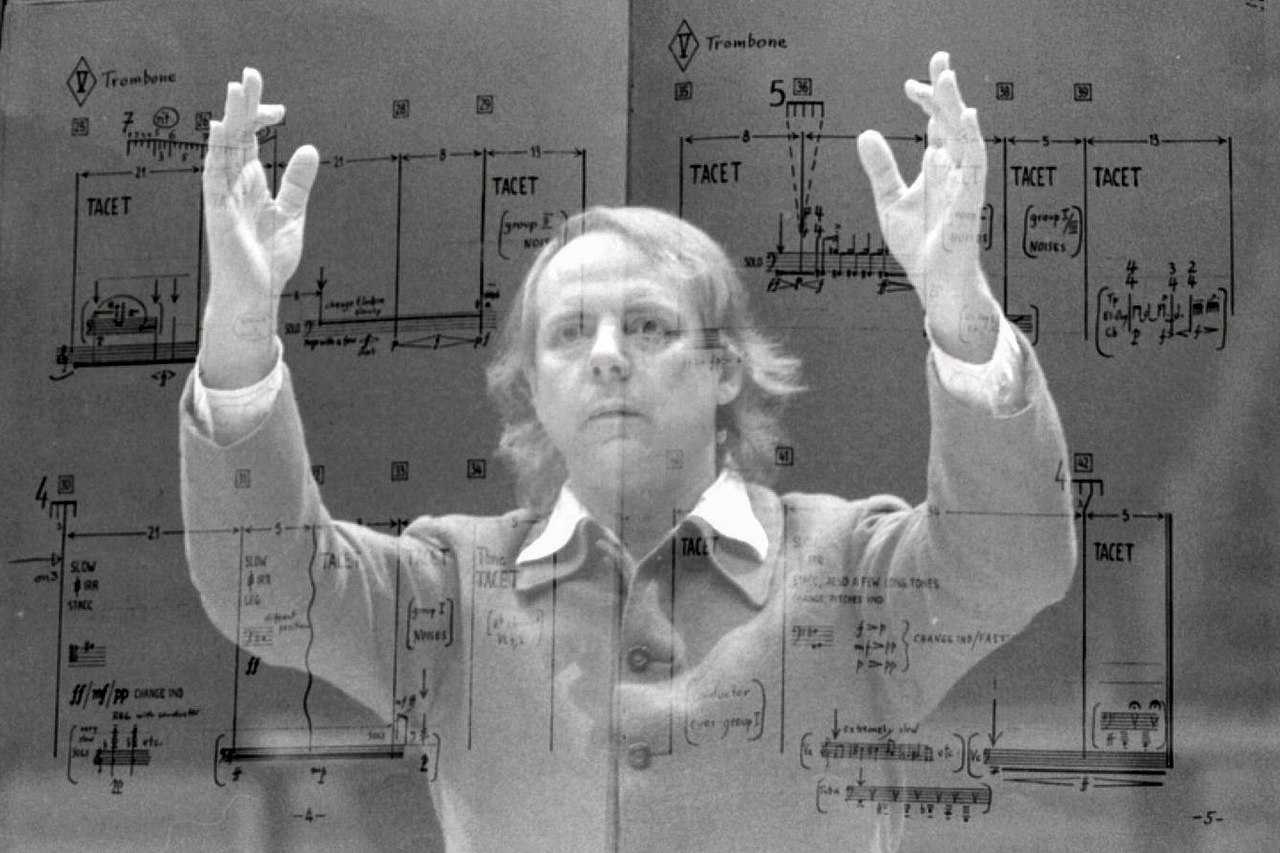




How it works and technical considerations
On film, multiple exposures overlay light on the same piece of emulsion: each additional exposure increases the total density where light falls. To avoid overexposure when combining images intentionally, photographers commonly reduce the exposure for each individual shot. A simple rule is to reduce exposure by log2(N) stops when making N equal exposures (for example, reduce by 1 stop for two exposures, 2 stops for four exposures). With modern digital cameras that offer an in-camera multiple exposure or exposure-blending mode, the camera handles some of the blending, but awareness of overall exposure and subject brightness remains important.
Equipment and methods
Traditional film cameras could create multiple exposures either accidentally (when a frame was not advanced) or deliberately using a multiple-exposure lever or setting. Many 35mm and medium-format cameras supplied a mechanism to cock the shutter without winding the film. Today, most digital single-lens reflex and mirrorless cameras include a multiple-exposure function that combines live frames, and similar results can be achieved in software by layering images with controlled blending. See examples of in-camera resources at camera manuals and image-editing guides like Photoshop or GIMP.
Creative uses and examples
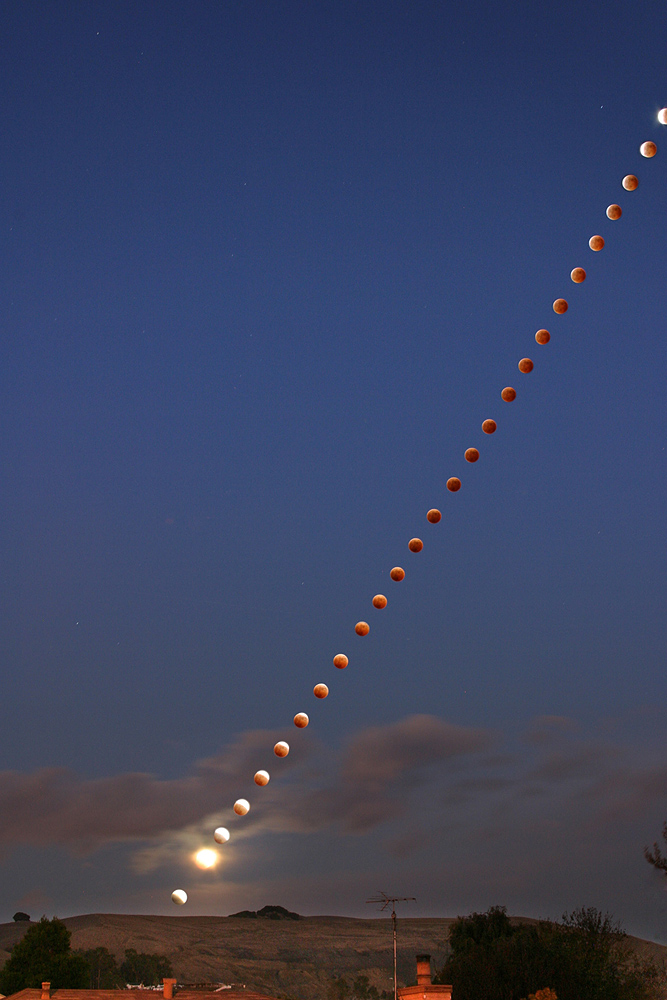
Photographers use multiple exposure for many artistic effects: creating ghost-like figures, overlaying a portrait with a texture, capturing successive positions of a moving subject to suggest motion, or combining a sharply exposed foreground with a star-trail sky captured in repeated short exposures. The technique can produce surreal or poetic imagery, and it is also used practically for experiments in composition without digital compositing tools. Tutorials and inspiration often appear alongside general special effects discussions.
Film vs digital approaches
While the classic method was strictly an analogue process involving film frames and shutter control, modern photographers have three common workflows: (1) in-camera multiple exposure where the camera records successive exposures to one file, (2) capture of separate files followed by post-processing compositing in software, and (3) hybrid workflows that use camera bracketing plus automated layering. Contrary to older statements, many digital cameras can produce genuine multiple exposures without simulated tricks; software layering simply offers more precise control over modes such as "screen", "lighten", or "multiply" blending.
Practical tips and cautions
- Plan contrast: bright areas in one exposure can overpower darker areas in others.
- Reduce exposure per shot so cumulative exposure stays within a usable range.
- Use a tripod and mark fixed elements when aligning frames for predictable overlap.
- Experiment with subject placement: silhouettes and backlit shapes often produce clean overlays.
- Prevent accidental frames by using film-advance interlocks or camera settings that block multiple shutter releases when not desired; many modern bodies include these safeguards to avoid unintended double exposures on film or sensor-based systems (user controls, shutter mechanisms).
History and notable practice
Creative layering of images dates back to early photographic experimentation and Victorian combination printing, where separate negatives were joined to form complex scenes. Over time the technique migrated into in-camera approaches on portable cameras and into deliberate artistic practice. Photographers have used multiple exposures to challenge straightforward representation and to explore narrative, memory, and abstraction in imagery. Historical and contemporary discussions of the technique can be found in general photography references and image-editing documentation (multiple exposure, film frame, ghost imagery).
For further reading and practical how‑tos, consult camera-specific manuals and digital-editing tutorials; many community galleries and instruction sites illustrate step-by-step methods and creative examples (photography resources, GIMP tutorials, Photoshop guides). Additional technical notes and advanced blending strategies are available across camera maker documentation and software help files (camera, special effects, controls, shutter).
Related articles
Author
AlegsaOnline.com Multiple exposure (photography): concepts, techniques and creative uses Leandro Alegsa
URL: https://en.alegsaonline.com/art/67474