
Photographic film
Light-sensitive plastic medium used to record images by exposure; requires chemical processing to reveal and fix pictures. Available in black-and-white, color, slide, and specialized infrared formats.
Overview
Photographic film is a light-sensitive medium used to capture images of the world. Traditionally it is a flexible sheet or strip mounted on a supportive plastic base and coated with silver halide or other light-reactive layers. When exposed to a scene, light alters the chemistry of these layers so a latent image is recorded; that latent image becomes visible only after a controlled chemical treatment. Film was the dominant image-capture technology for much of the 20th century and remains in use today for artistic, archival, educational, and cinematic work.
Image gallery
10 Images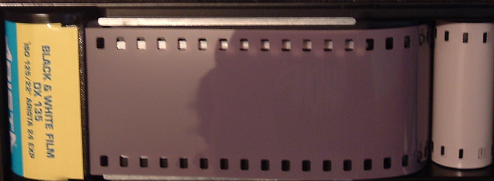



Structure and how it records light
The typical film structure consists of a base, an emulsion layer, and protective coatings. The emulsion contains microscopic crystals that react to photons; the degree and pattern of reaction correspond to the brightness and distribution of the original visual scenes. Different emulsions are formulated for sensitivity, contrast, grain, and color rendition. Sensitivity is expressed by an ISO (formerly ASA) rating: higher numbers indicate greater light sensitivity but usually larger visible grain. Some films contain dyes or multiple emulsion layers to record color, while black-and-white films rely on metallic silver after processing.
Formats and physical variants
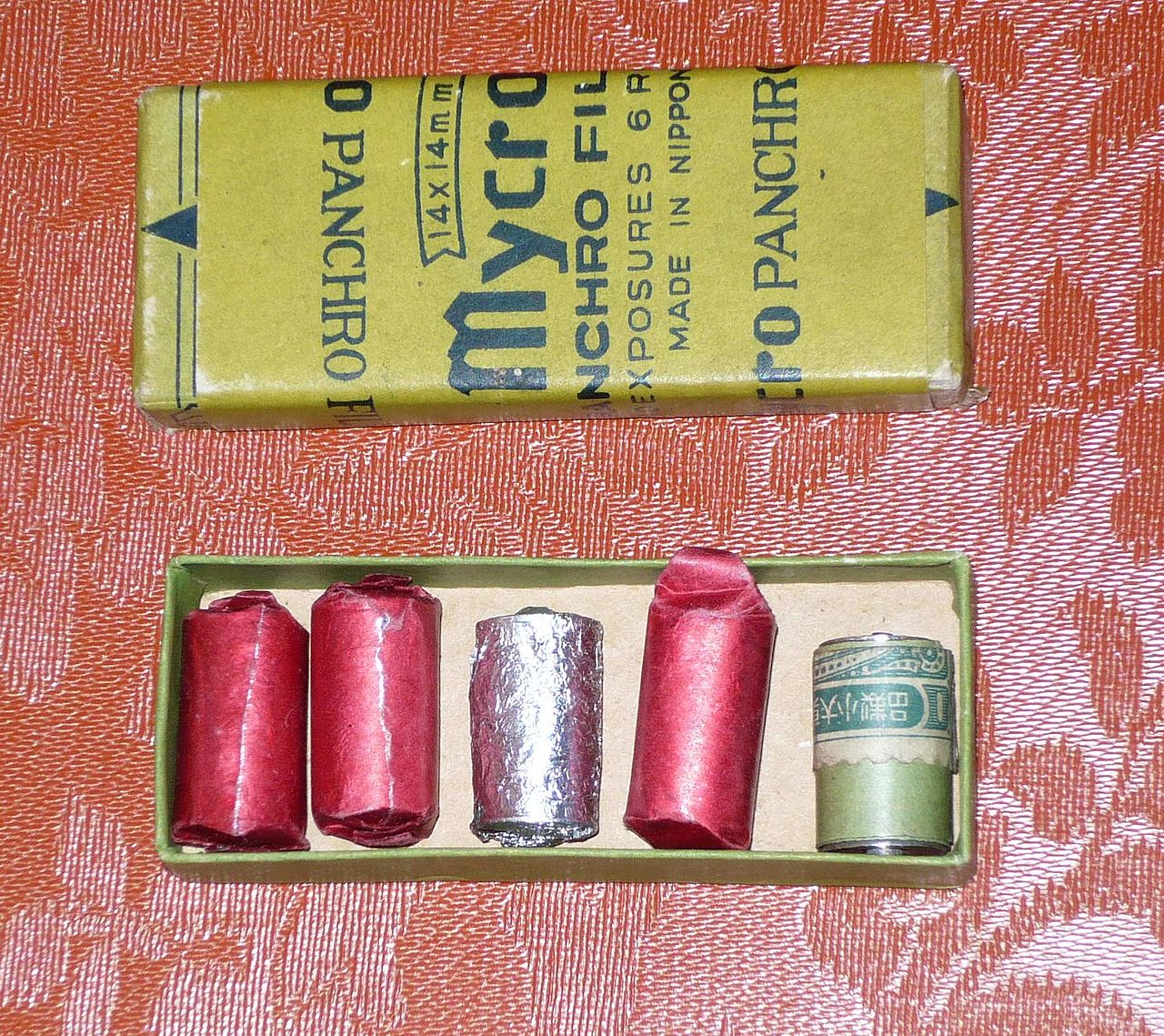
Film is available in many physical formats to suit different cameras and uses. Common formats include 35 millimeter cartridges for still photography, medium-format rolls and sheets for higher-resolution work, and large-format single sheets for technical and fine-art applications. Motion-picture film exists on wider, continuous rolls. Films are often supplied in light-tight canisters or wrapped packages to protect the unexposed emulsion until the moment of exposure.
Types of film
- Black-and-white: Records luminance information; prized for tonality and archival stability.
- Color negative: Produces an orange-tinted negative that is printed or scanned; common for general photography.
- Color reversal (slide/transparency): Produces a direct positive image for projection or scanning.
- Specialty films: Infrared-sensitive emulsions and high-resolution or low-grain stocks for technical work; see infrared film for one category.
Development and processing
After exposure, film must undergo chemical processing to convert the latent image into a visible and stable form. Basic black-and-white processing uses a developer to reduce exposed silver halide to metallic silver, a stop bath to halt development, and a fixer to remove unexposed salts and make the image no longer light-sensitive. Color negative film commonly uses a standardized process (C-41) and color reversal slides use processes such as E-6; each requires precise temperature and timing control. Many photographers process black-and-white film at home, while color processing is often done in labs. For more on methods and labs, see film processing.
History and continued relevance
Roll film and flexible film bases were popularized in the late 19th and early 20th centuries, enabling portable cameras and mass-market photography. Although digital imaging has largely superseded film for everyday use, analog film preserves characteristics valued by artists and archivists: the chemical grain, highlight rolloff, and archival longevity of properly processed emulsions. Film yields a different workflow and aesthetic; many educational programs and independent filmmakers continue to teach and practice film-based techniques alongside digital methods.
Notable facts and considerations
Choosing a film involves trade-offs among sensitivity, contrast, grain, and color response. Film must be stored away from heat and strong light and is sensitive to humidity; processed negatives and transparencies require proper archiving to prevent fading. Equipment for handling and scanning film remains widely available, allowing analog images to be digitized for editing, printing, and online sharing. For technical specifications or supplier information, consult resources on emulsion chemistry and format standards, or visit general references about light-sensitive materials and photographic technique.
Further reading and practical guides are available from community labs and manuals that cover exposure, metering, and darkroom technique; many online and local institutions continue to teach film photography basics and advanced processes (materials, composition, sensitivity, processing, specialty).
Questions and answers
Q: What is photographic film?
A: Photographic film is a sheet of plastic that is sensitive to light and used for recording visual scenes.
Q: How is an image recorded on photographic film?
A: An image is recorded on photographic film when the plastic is exposed to light.
Q: How is photographic film protected from light?
A: Photographic film is kept in small canisters (boxes) which protect it from the light.
Q: What is the process called that makes the pictures on a film visible?
A: The process that makes the pictures on a film visible is called developing a film or film processing.
Q: What happens to the exposed film during the film processing?
A: The exposed film is no longer sensitive to light after undergoing film processing.
Q: What are some different kinds of films that exist?
A: Some different kinds of films that exist include those which require more light to be exposed than others, those which are black and white only and those which can record infrared light.
Q: What are some different sizes of photographic films?
A: Some different sizes of photographic films include 35 millimeter film (the most used size), those that come in metal cans or canisters, those that come in paper wrappings or in single sheets.
Related articles
Author
AlegsaOnline.com Photographic film Leandro Alegsa
URL: https://en.alegsaonline.com/art/76598