
Photography: history, technique, and uses
Overview of photography: how cameras and light produce images, historical developments from daguerreotype to digital, main techniques, genres, and ethical and practical considerations.
Photography is the practice of making a visual record by capturing light with a camera. A produced image is commonly called a picture or photograph. The person who makes photographs is usually known as a photographer. A camera gathers and focuses light so an image can be recorded on a light-sensitive surface or an electronic sensor. The basic aim is the same whether the result is a small contact print, a large exhibition print, or a file for the web: to record light, tone and composition in a way that communicates information or emotion.
Image gallery
10 Images






How photography works
At its simplest, photography directs light through a lens and aperture onto a recording medium. Key elements include the lens (which focuses), the aperture (which controls the amount of light and depth of field), the shutter (which controls exposure time) and the recording surface (film or digital sensor). Photographic technique rests on controlling exposure, focus, composition, and processing. In chemical processes, light alters light-sensitive emulsions that are developed to make a visible image; in electronic systems, sensors convert light to electrical signals that are processed and stored as image files.
Camera types, lenses and formats
Cameras range from simple pinhole boxes to compact point-and-shoots, mirrorless and single-lens reflex (SLR) cameras, and large-format view cameras. Lenses vary in focal length and design: wide-angle, standard, telephoto, macro, and specialty optics each shape perspective and magnification. Format — such as large format, medium format, 35mm film or full-frame and crop-sensor digital — affects resolution, depth of field and the visual character of images. Choice of equipment depends on intended use and aesthetic goals.
Exposure, color and processing
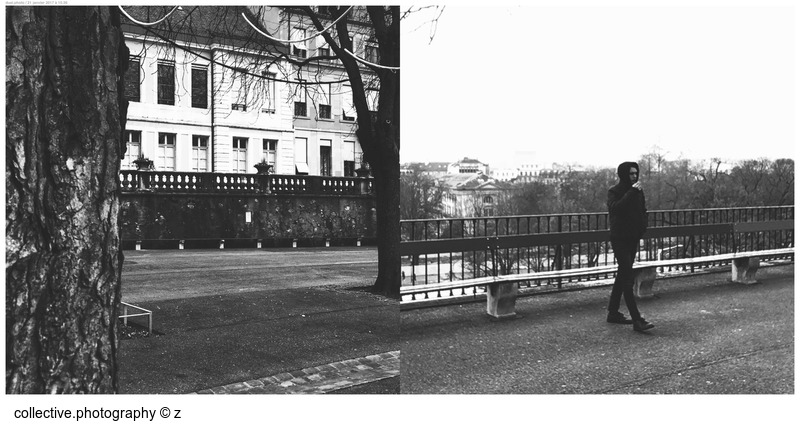
Exposure is governed by the interaction of aperture, shutter speed and sensitivity (film speed or sensor ISO), often called the exposure triangle. Photographers also work with color balance, contrast and dynamic range. Traditional black-and-white and color film had particular grain, tonal response and chemical processing workflows; digital capture uses sensor characteristics and in-camera or software-based processing. Post-processing — from darkroom printing to modern raw conversion and editing — is part of the creative and documentary chain.
Historical development
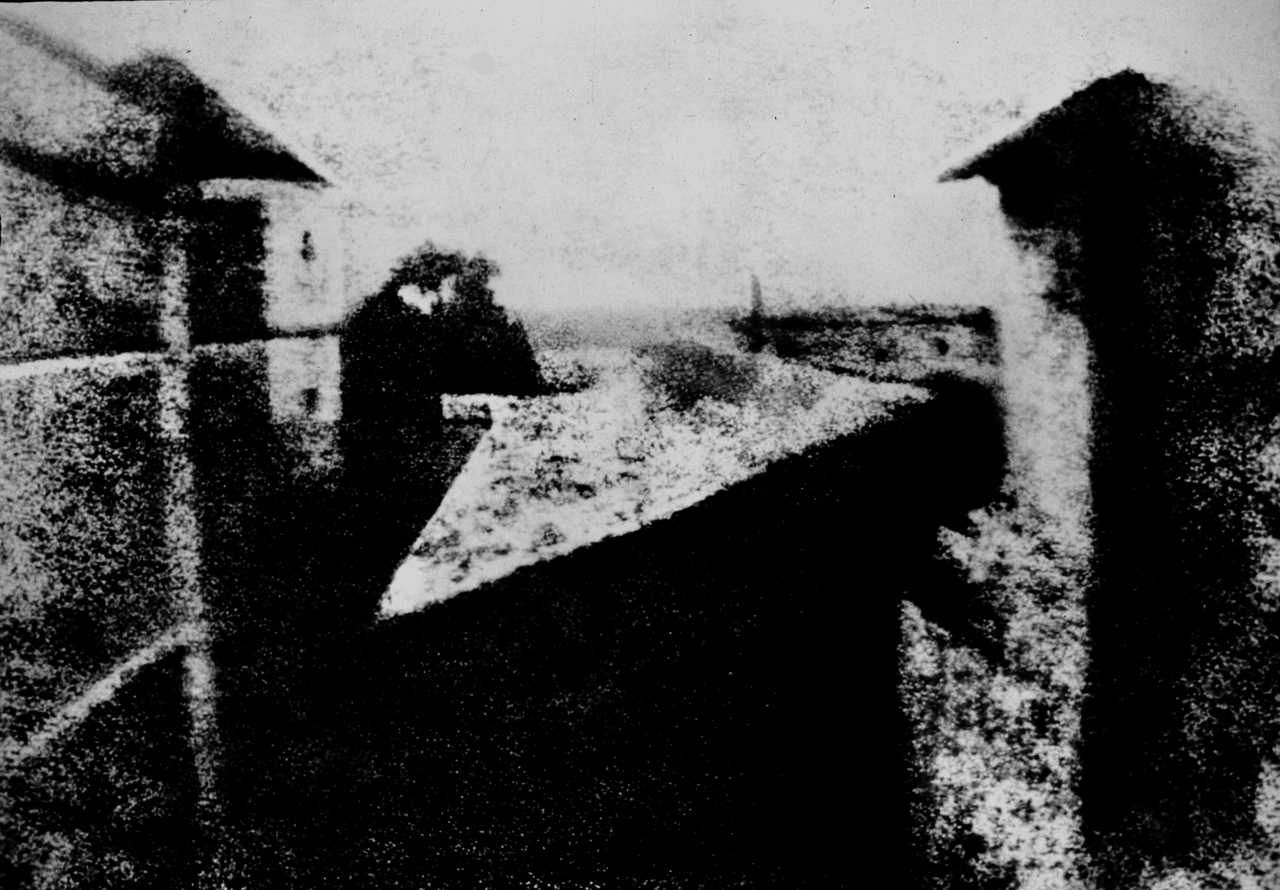
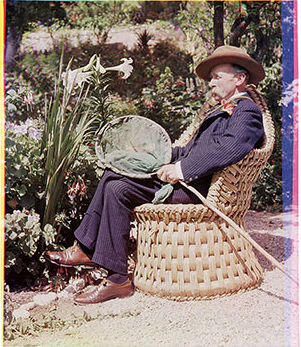
Practical image capture dates from the 19th century. Early widely used processes included the daguerreotype and, soon after, wet-plate and dry-plate techniques that improved sensitivity and workflow. For much of the 20th century, photography relied on photographic film for negatives and prints. In recent decades, electronic imaging and consumer electronics have largely shifted practice to digital systems and sensors. Major developments of the 20th century include portable cameras, faster films and automated exposure systems that broadened access.
Genres and common uses
- Portraiture: capturing individuals and groups.
- Landscape and nature: documenting places and ecosystems.
- Documentary and photojournalism: reporting events and social conditions.
- Commercial and advertising: producing images for business and marketing.
- Scientific, medical and technical imaging: recording phenomena beyond ordinary vision.
- Art photography: using photographic processes for conceptual or formal exploration.
Photography serves private, professional and public needs: family records, scientific documentation, news reporting, evidence in law enforcement, advertising and fine art. The rise of smartphones and social platforms has made image-making widespread, changing how images are produced, shared and consumed.
Ethics, legality and preservation
Photographers encounter ethical questions about consent, privacy, representation and manipulation. Legal considerations include copyright, model releases, and permissible use in public spaces. Preservation and archiving are important as media age: chemical prints and negatives require proper storage; digital files require migration and metadata to remain accessible. Discussions about authenticity and trust have intensified with advanced editing and synthetic image tools.
Learning and resources
Beginners learn basic exposure, composition and handling through practice and study; more advanced work explores lighting, color theory and specialized equipment. For overviews and practical guides consult introductory material on basic concepts (general overview), equipment comparisons (camera and lens), professional practice (working photographers), historical processes (early photography), technical histories (processes), 20th-century developments (modern history), film resources (film techniques) and digital workflows (digital systems).
Whether used for documentation, communication, or expressive art, photography remains a versatile medium whose tools and practices continue to evolve while the essential act — recording light to make images — endures.
Questions and answers
Q: What is photography?
A: Photography is a way of making a picture using a camera.
Q: Who is a photographer?
A: A person who makes pictures using a camera is called a photographer.
Q: What do we call the picture made with the help of camera?
A: The picture made using a camera is called a photograph or photo.
Q: When did photography become popular?
A: Photography became popular in the middle 19th century with Daguerreotype.
Q: What were the methods invented later for photography?
A: Later wet plate and dry plate methods were invented for photography.
Q: How was most photography done in 20th century?
A: Most photography in the 20th century was on photographic film.
Q: How does most photography take place in 21st century?
A: Most photography in the 21st century uses digital cameras.
Related articles
Author
AlegsaOnline.com Photography: history, technique, and uses Leandro Alegsa
URL: https://en.alegsaonline.com/art/76601
Sources
- commons.wikimedia.org : Photography
- merriam-webster.com : "Photography"