
Mural: Wall and Ceiling Paintings
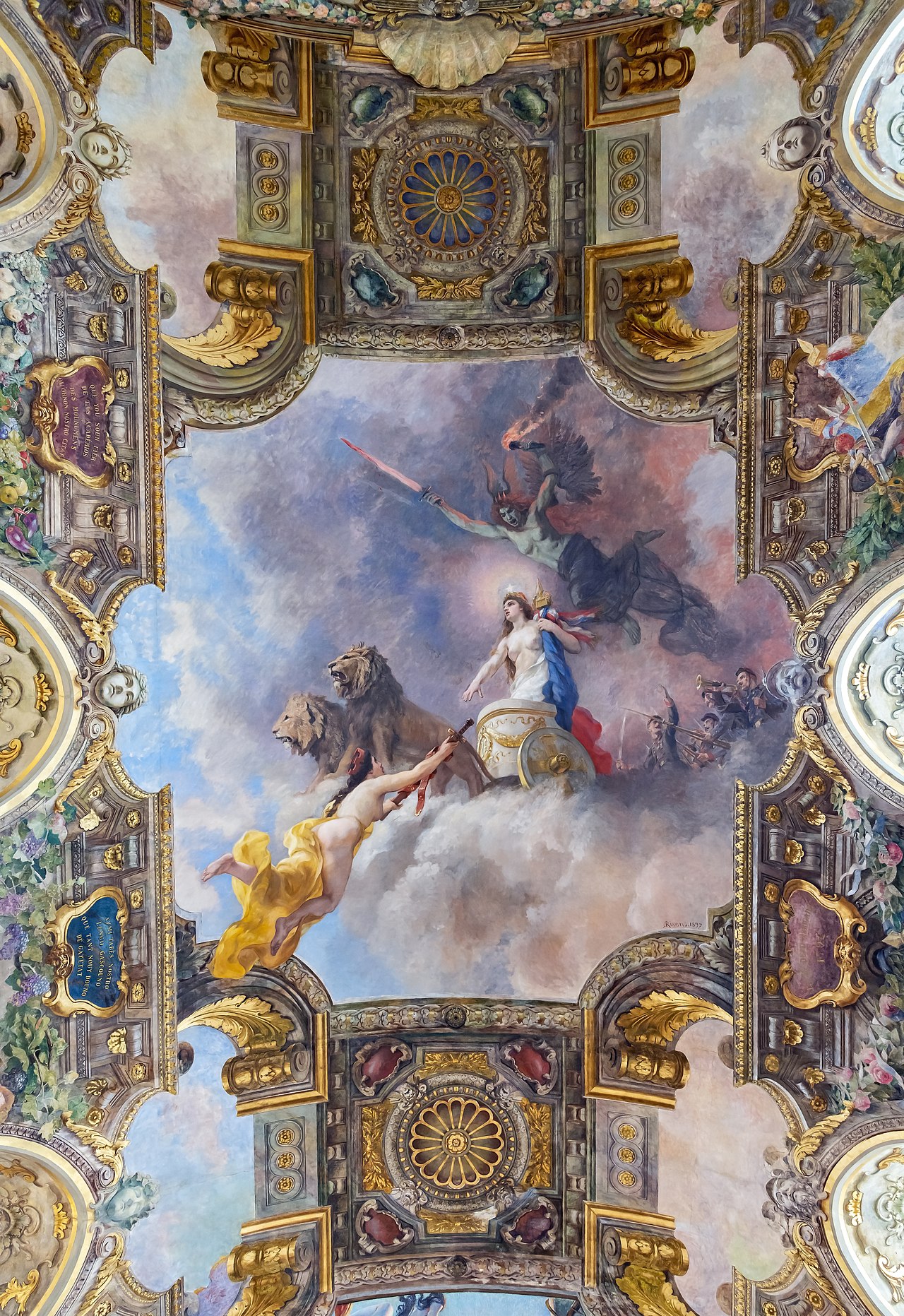
A mural is a large-scale painting executed directly on a wall, ceiling, or other permanent surface. Murals span ancient cave art, frescoes and religious cycles to modern public and street art.
Overview
A mural is an artwork painted or applied directly onto a permanent surface such as a wall, ceiling or large architectural panel. Unlike easel paintings, murals are typically integrated with the site that hosts them and can be designed to influence or reflect the surrounding space. Sizes vary from small interior panels to entire building facades.
Image gallery
10 Images


Characteristics and Materials
Murals may be executed in a wide variety of media and techniques. Traditional approaches include fresco (pigment applied to wet plaster), secco (pigment on dry plaster), and oil or tempera on prepared walls. Contemporary murals often use acrylics, spray paint, mosaics, or mixed media. Durability depends on materials, surface preparation, and environmental exposure.
History and Development
Wall painting is one of humanity's oldest art forms, found in prehistoric cave paintings and in the decorated tombs and temples of ancient civilizations. During the Renaissance and later periods, mural painting was used for religious narratives and civic decoration. In the 20th century, movements such as Mexican muralism and public art initiatives reasserted murals as tools for social commentary and public engagement.
Techniques and Process
- Planning: cartoons or full-scale sketches to map composition.
- Surface preparation: cleaning, priming, and applying ground layers.
- Execution: working in sections (giornate) for wet-plaster techniques or in stages for dry methods.
- Protection: varnishes, anti-graffiti coatings, or restoration to prolong life.
Functions and Examples
Murals serve many purposes: religious storytelling, political expression, commemoration, neighborhood beautification, branding, and community engagement. Examples range from fresco cycles in churches and palaces to contemporary street murals that address local or global issues. Public mural projects often involve collaboration between artists, local authorities, and residents.
Notable Distinctions
Murals differ from other large works by their site-specific nature and intended permanence, though some are deliberately ephemeral. Restoration and conservation pose special challenges because murals are bound to architectural fabric. For further reading about mural techniques and conservation, see resources on mural art.
Related articles
Author
AlegsaOnline.com Mural: Wall and Ceiling Paintings Leandro Alegsa
URL: https://en.alegsaonline.com/art/67595