
Photographer: Roles, Techniques, History and Specializations
A photographer captures images for art, documentation or commerce. This article explains the roles, skills, history, specializations and how photography is used today.
A photographer is a person who creates still images using cameras and related tools. The practice ranges from casual picture-taking to complex commercial production. Competent photographers combine technical knowledge of exposure, optics, and post-processing with visual decision-making about composition, light and moment. Many learn through practice, formal education, or self-directed study; others work as full-time professionals or part-time enthusiasts.
Image gallery
10 Images
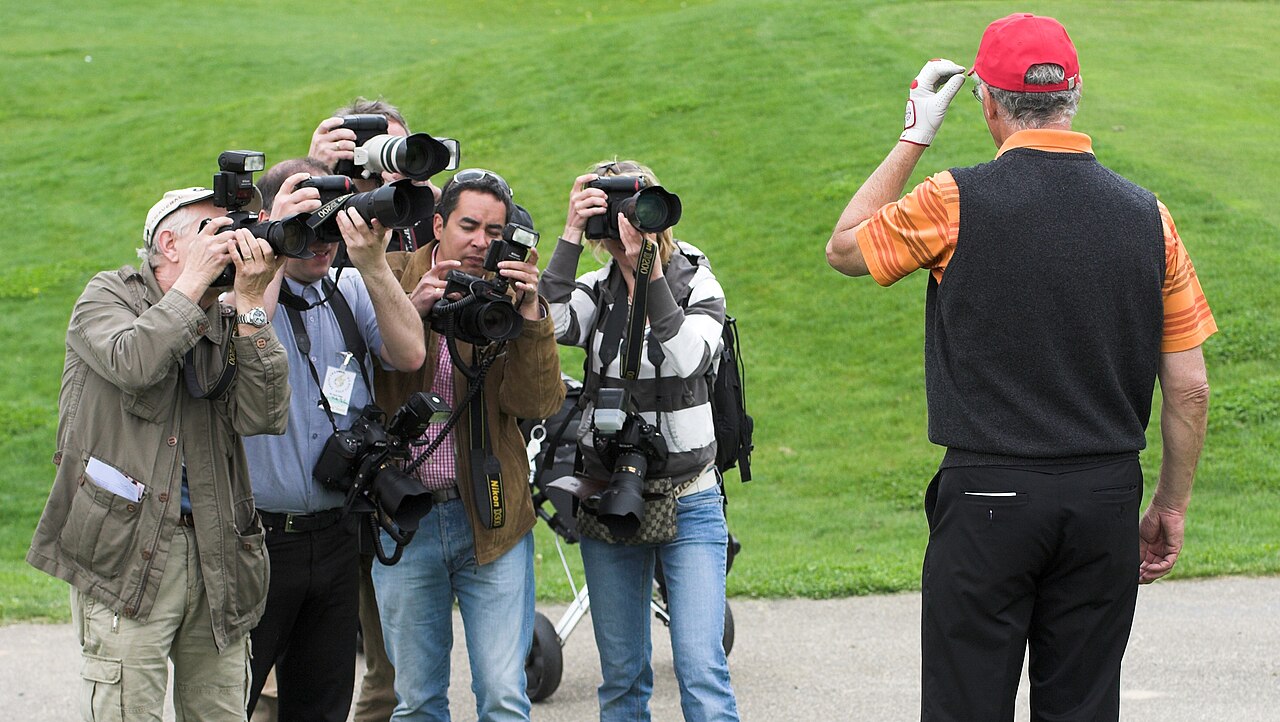


Specializations and typical work
Photographers often concentrate in particular fields, each demanding different techniques and equipment. Examples include:
- Portrait photography — individual or family headshots and studio work.
- Event photography — weddings, parties and ceremonies where timing and social skills matter; many people hire a wedding specialist for these occasions.
- Documentary and photojournalism — telling stories about people, places and events.
- Commercial and product photography — images for advertising, catalogs and e-commerce.
- Fine art, landscape, wildlife, fashion and scientific photography — each with unique constraints and goals.
Individuals may identify as an amateur photographer pursuing the craft for pleasure or as a hobby, or as a professional who sells work or provides services. Cultural events such as a debutante ball often involve hired photographers familiar with formal portraiture.
Skills, tools and techniques
Technical skills include understanding exposure settings (aperture, shutter speed, ISO), lens selection, lighting (natural and artificial), and file management. Equally important are visual skills: composition, timing and the ability to direct subjects. Many photographers develop post-production skills using software to edit color, tone and sharpness. Business capabilities — client communication, pricing and contracts — are essential for those who sell photographs. Resources for improving these skills and equipment choices such as camera bodies and lenses (camera gear) are widely available through books, courses and online communities.
History and development
Photography evolved from early optical devices like the camera obscura to chemical processes in the 19th century and to film-based cameras in the 20th century. The late 20th and early 21st centuries saw a rapid shift to digital sensors, which transformed workflows, storage and distribution. These technological changes broadened access to the medium and created new professional opportunities, while also reshaping the language of photographic practice.
Uses, importance and distinctions
Photographs serve practical, cultural and artistic functions: they document events, support journalism, advertise products, preserve memories and express creative ideas. Photographers differ from cinematographers in that they focus on still images rather than motion, though the two disciplines often overlap. Understanding rights, licensing and ethical considerations is important for both creators and users of photographic images.
For further reading and practical guides, consult specialized resources and communities that explore equipment, technique and business practice in depth (professionals and enthusiasts alike benefit from ongoing learning).
Related articles
Author
AlegsaOnline.com Photographer: Roles, Techniques, History and Specializations Leandro Alegsa
URL: https://en.alegsaonline.com/art/76597
Sources
- brooks.edu : "5 Types of Photographers"
- work.chron.com : "Three Duties for a Newspaper Photographer"
- academicinvest.com : "How to Become an Aerial Photographer: Career Path Guide"
- neilvn.com : "insight: working as a combat photographer in the US Marines"
- digital-photography-school.com : "Portrait Photography Tips - dPS"