
Museo del Prado — Spain's National Art Museum (Madrid)
Major European art museum in Madrid, founded in 1819. Renowned for Spanish Golden Age painting and masterpieces by Velázquez, Goya, El Greco, Bosch, Titian and Rubens.
Overview
The Museo del Prado is Spain's principal national art museum, based in Madrid. Opened to the public after being formally established on 19 November 1819, it has grown into one of the world's most important collections of European painting and sculpture. The museum's webpage and visitor information are available through its official site, which offers current exhibitions and practical details for visitors.
Image gallery
10 Images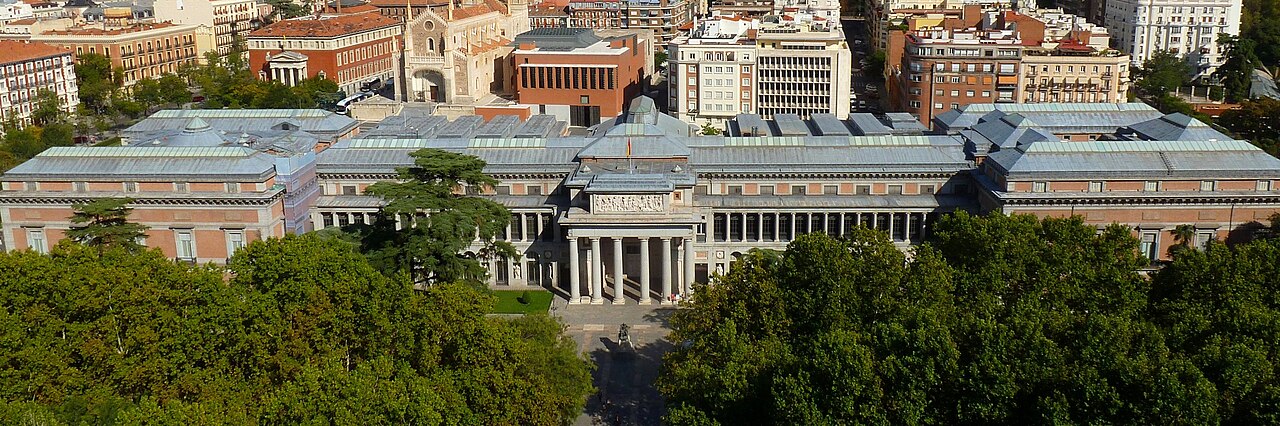


Collections and characteristics
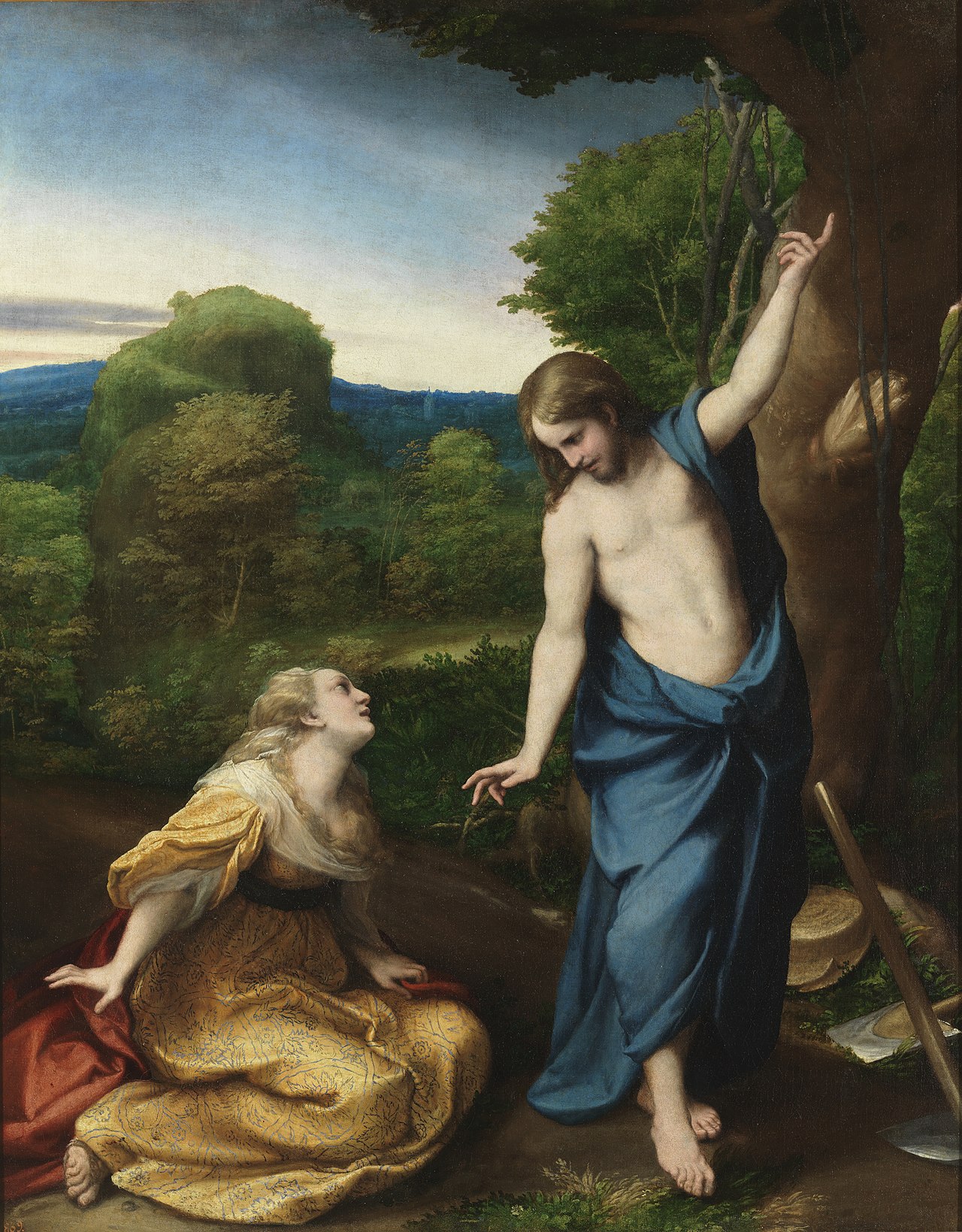
The Prado's holdings concentrate on works created roughly between the 12th and the 19th centuries, with an emphasis on the Spanish Golden Age and Renaissance and Baroque schools. Originally formed from royal collections, the institution's core strengths are in paintings and sculptures, though it also cares for drawings, prints and decorative arts. The display and conservation programs emphasize authenticity, historical context and technical study, making the museum a center for research as well as public viewing.
Highlights and masterpieces
The Prado is particularly celebrated for its depth of work by Spanish masters and major European artists. Significant names represented in the collection include:
- Francisco de Goya — a vital figure whose portraits and socially charged scenes are cornerstones of the museum.
- Diego Velázquez — whose court portraits and complex compositions are among the Prado's best-known treasures.
- El Greco — notable for his distinctive expressive style and religious works.
- Titian — representing the Italian Renaissance tradition in the collection.
- Peter Paul Rubens — whose dynamic Baroque canvases complement the museum's range.
- Hieronymus Bosch — famed for fantastical, moralizing imagery.
Among the individual paintings that draw international attention are Las Meninas, The Garden of Earthly Delights, The Third of May 1808 and La Maja Desnuda. These works are often used to illustrate broader art-historical developments and remain central to many exhibitions and scholarly studies.
History and architecture
The Prado's original building was designed in the late 18th century by architect Juan de Villanueva; later additions and renovations have adapted the structure for modern museum needs. Prominent architects, including Rafael Moneo and Juan de Villanueva, have contributed to expansion projects and conservation facilities that improved exhibition space, storage and visitor circulation. Over time the institution has balanced preserving historic fabric with upgrading lighting, climate control and accessibility.
Role, access and significance
Beyond public display, the Museo del Prado functions as a research, conservation and educational center. It hosts temporary exhibitions, loans works internationally and publishes catalogues raisonnés and technical studies. Visitor numbers fluctuate with season and programming; in 2012 the museum reported about 2.8 million visitors, reflecting its continuing global draw. For scholars and casual visitors alike, the Prado provides a concentrated view of European painting traditions and Spain's artistic heritage.
Visiting and further resources
Practical information about tickets, opening hours and current exhibitions is available on official pages and partner resources. Many institutions and guides link to the museum for further reading and travel planning; see the museum's site and representative pages for the most up-to-date guidance. Whether studied for its masterpieces, its conservation work, or its role in national cultural identity, the Museo del Prado remains a defining institution in the world of art.
Related articles
Author
AlegsaOnline.com Museo del Prado — Spain's National Art Museum (Madrid) Leandro Alegsa
URL: https://en.alegsaonline.com/art/67717
Sources
- cultura.elpais.com : "El Prado perderá un cuarto de sus visitantes"