
Museum of Modern Art (MoMA) — New York City
Major New York museum dedicated to modern and contemporary art, known for influential collections, exhibitions, film and design programs, and a leading role in 20th–21st century art history.
Overview
The Museum of Modern Art, commonly called MoMA, is a leading institution for modern and contemporary visual culture in Midtown Manhattan. It is a museum devoted to the art and ideas that shaped the modern era, located on 53rd Street between Fifth and Sixth Avenues in New York, New York, United States. MoMA is widely regarded for its role in collecting, exhibiting and interpreting painting, sculpture, photography, film, design and performance.
Image gallery
10 Images
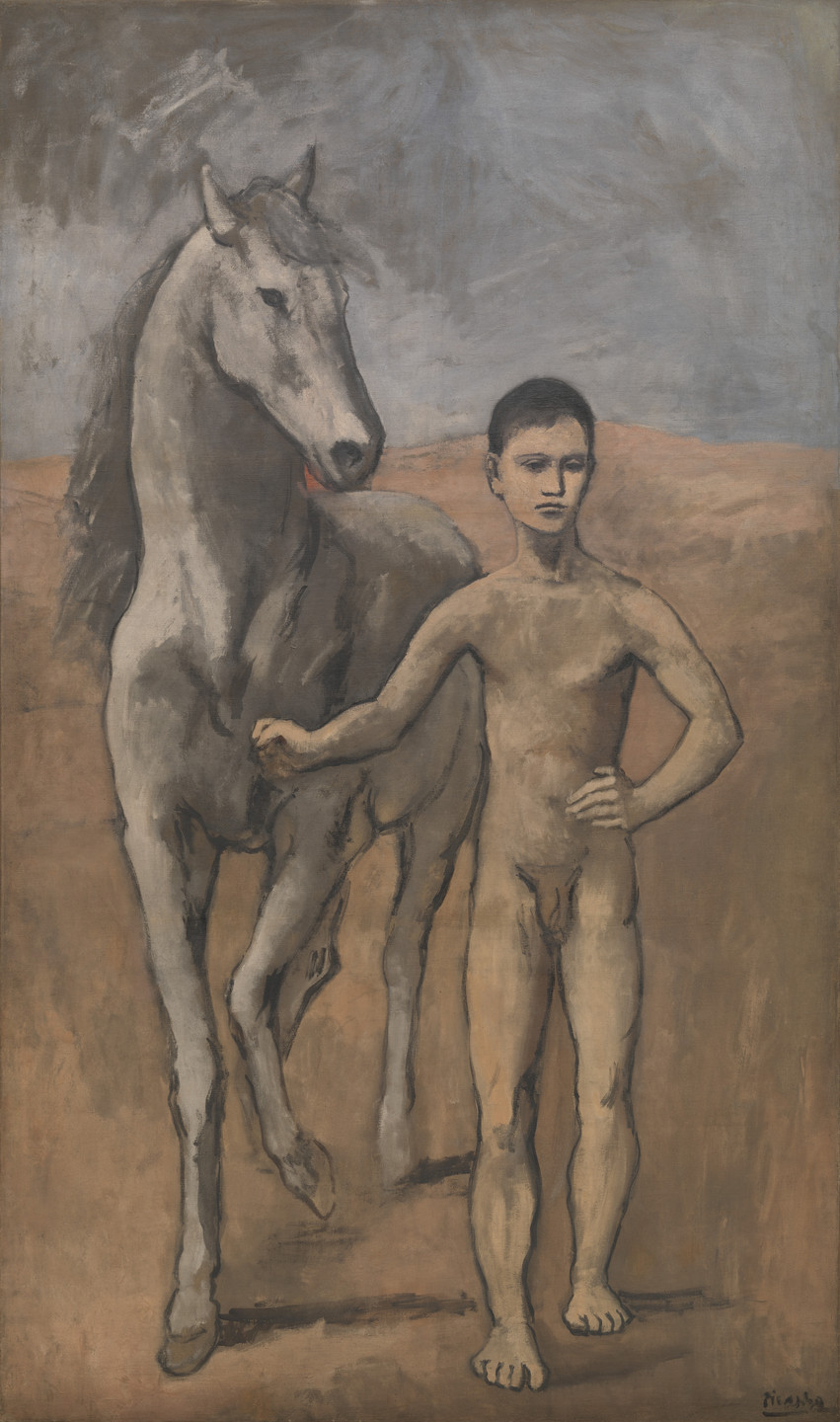


Collections and galleries
MoMA's holdings span many media and movements. Key departments include painting and sculpture, architecture and design, photography, prints and illustrated books, and film. The museum presents both historical masterpieces and new commissions, and its galleries display works that trace developments from late 19th-century innovations through contemporary practices.
- Highlights: canonical paintings, experimental film, and design objects.
- Artists on view: figures such as important modern artists including Jackson Pollock, Vincent van Gogh, Andy Warhol and Robert Indiana.
- Supporting resources: conservation labs, a research library and archives.
History and development
Founded in 1929, MoMA emerged at a time when institutions were beginning to treat recent artistic developments as historically significant. Over decades the museum expanded its building, rethought gallery layouts and broadened its programs to include film screenings, publications and international loans. These changes reflect a continuing effort to present art in historical and social context rather than as isolated curiosities.
Programs and public role
Beyond exhibitions, MoMA operates educational initiatives, public programming, and scholarly research. It organizes thematic exhibitions, retrospectives, and displays that often influence tastes and academic study. Its film department is respected for preserving and presenting cinema as art, while design and architecture projects connect visual art to everyday environments.
Importance and distinctions
MoMA is often described as one of the most influential museums for modern art worldwide because of the breadth of its collections, the visibility of its exhibitions and its impact on museum practice. It is a site where artists, curators and the public engage with pivotal works that shaped the 20th and 21st centuries and where debates about modernism, contemporary practice and museum responsibilities continue to evolve.
For further information, see institutional pages and exhibition guides at modern art resources and other public directories; additional context is available through curated bibliographies and catalogues of artists and movements found via city cultural listings and national arts organizations referenced at federal arts portals or specialized research portals such as museum databases and community resources highlighting artists.
Related articles
Author
AlegsaOnline.com Museum of Modern Art (MoMA) — New York City Leandro Alegsa
URL: https://en.alegsaonline.com/art/67725
Sources
- books.google.com : Gardner's Art Through The Ages : The Western Perspective