
Shutter (photography)
Device that controls the time light reaches the sensor or film, shaping exposure and motion capture; includes mechanical and electronic types, leaf and focal-plane designs, and projector uses.
In photography a shutter is the mechanism that opens and closes to control how long light reaches the image plane of a camera. It is a primary element of exposure, working together with aperture and ISO to determine image brightness. Beyond still cameras, shutters are used in devices such as movie projectors and signal lamps to interrupt or modulate light output, where timing and repeatability are important.
Image gallery
6 Images



Types and components
- Focal-plane shutters: mounted just in front of the film or sensor, usually using one or two moving curtains to expose the image in a controlled sweep.
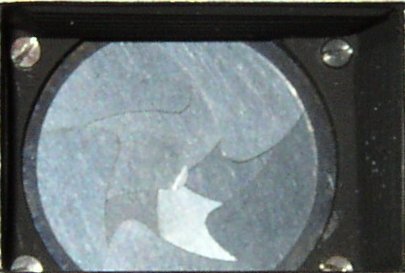
- Leaf (or iris) shutters: located near the lens, consisting of overlapping blades that open and close to form a roughly circular aperture.
- Electronic shutters: use the sensor's readout to start and stop exposure without moving parts; may be implemented as global or rolling readout.
The shutter speed is expressed as a fraction of a second for brief exposures or in seconds for long exposures, with specialized modes such as "bulb" that keep the shutter open while a release is held. Shutter behavior influences motion blur, the appearance of fast-moving subjects, and creative techniques such as panning or long-exposure effects.
Shutter design also affects synchronization with flash units. Mechanical shutters have limits on how fast a whole frame can be exposed, which establishes a flash sync speed; some leaf shutters can sync at higher speeds because they expose the entire frame at once. Electronic shutters avoid moving parts but can introduce artifacts such as skewed or distorted shapes when the subject or camera moves rapidly.
Historically, early cameras used simple lens caps and manual covers; mechanical shutters evolved to offer precise, repeatable timings and compact designs for portable cameras. In projection equipment a shutter interrupts the light path to produce discrete frames or to reduce flicker, and in signaling it creates controlled pulses.
When choosing or using a shutter, photographers consider exposure control, motion rendering, flash compatibility, reliability, and any trade-offs introduced by electronic readout methods. For further technical detail see general discussion of shutters and camera mechanisms at shutter resources, specific camera designs at camera references, and projection shutter principles at projector literature.
Related articles
Author
AlegsaOnline.com Shutter (photography) Leandro Alegsa
URL: https://en.alegsaonline.com/art/90124