
Special effects: techniques, history, and uses in film and media
Overview of special effects (SFX): practical and digital methods, historical development, common techniques (miniatures, pyrotechnics, animatronics, CGI), roles, and applications in film, television and theatre.
Overview
Special effects (often abbreviated SFX or simply "effects") are methods used in filmmaking, television, theatre and other media to create images, actions or environments that cannot be captured directly on camera or would be impractical, unsafe or prohibitively expensive to film in reality. Effects range from simple in-camera tricks to complex mechanical rigs and fully computer-generated imagery. Their purpose is to support storytelling by making the impossible appear real, enhancing atmosphere, or portraying large-scale events at manageable cost and risk.
Image gallery
6 Images


Common techniques
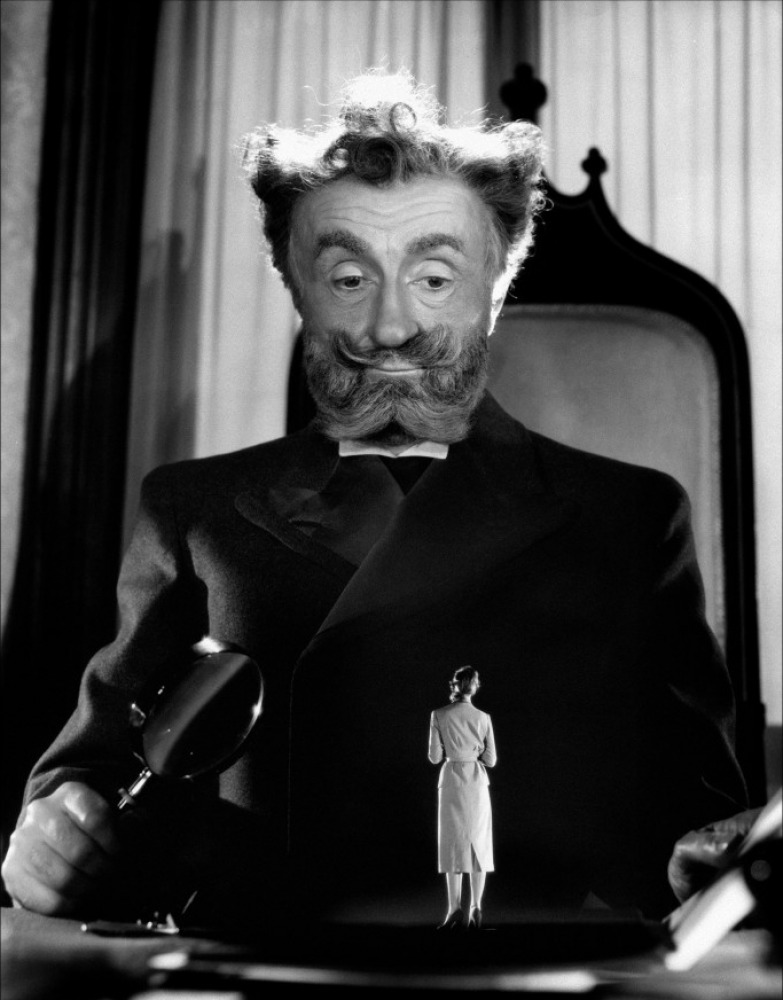
Practitioners usually divide effects into practical (physical, on-set) and digital (post-production) techniques. Practical effects include pyrotechnics, mechanical rigs, prosthetic makeup, animatronics, matte paintings and scale models. Digital methods encompass computer-generated imagery (CGI), digital compositing, motion capture and particle simulations. Productions often combine both approaches to gain the advantages of tangible elements and digital flexibility.
- Miniatures and models: Small-scale replicas are filmed to simulate larger objects or environments; controlled camera work and lighting sell their scale. See an introduction to miniature techniques at miniature model techniques.
- Computer-generated imagery (CGI): Images and animation created on a computer, used to add or replace elements in a scene. Resources on animation workflows can be found at computer animation resources.
- Stunts and pyrotechnics: Choreographed physical action and controlled explosions create danger without risking performers; industry guidance is summarised at stunt and safety protocols.
- Scale destruction and effects photography: Filming the destruction of a model or set to represent a larger event, with examples discussed at scale destruction examples.
History and development
Special effects date to the earliest days of cinema, when filmmakers used stop-motion, multiple exposures and painted glass to alter scenes. Over the 20th century, optical printers, rear projection and refined miniature work advanced the craft. The late 20th century brought widespread digital tools; CGI and compositing broadened what could be shown convincingly. Since then, further innovations such as motion capture, real-time rendering and on-set LED volumes have continued to reshape the interplay between practical and digital methods.
Genres and uses
Effects are central to many genres. Action films use effects to stage sequences that would be dangerous or impossible to film live; producers often prefer models or controlled rigs to risking people or property. Science fiction, fantasy and horror rely heavily on effects to depict imaginary worlds, creatures or phenomena; introductory material appears at science fiction effects, fantasy visual design and horror special effects. For example, a scene showing multiple suns or alien skies can be composited digitally using techniques described at astral compositing techniques.
Production roles and workflow
Special effects are delivered by teams that may include SFX supervisors, technicians, riggers, pyrotechnicians, prosthetic artists and model makers, working alongside visual effects (VFX) artists, compositors and animators. On a production, decisions about practical versus digital solutions consider aesthetics, budget, schedule and safety. Often a hybrid approach—practical elements augmented with digital cleanup or extension—yields the most convincing results.
Safety, economics and artistic considerations
Safety is a primary concern: trained professionals design and execute pyrotechnics, stunts and heavy rigging under strict protocols. Economically, small-scale models or CGI can be far less expensive than full-scale alternatives. Artistically, practical effects provide tactile interaction for actors and can read more believably at close range, while digital effects handle complex motion and large environments. As technology evolves, the craft continues to balance engineering, artistry and storytelling to expand what can be shown on screen.
Related articles
Author
AlegsaOnline.com Special effects: techniques, history, and uses in film and media Leandro Alegsa
URL: https://en.alegsaonline.com/art/92557