
Ghosts: Beliefs, Descriptions, and Cultural Variations
An overview of ghosts as spirits or apparitions in folklore and culture, their typical descriptions, cross-cultural forms, roles in stories and media, and approaches to investigation and explanation.
Overview
In many cultures a ghost is regarded as the perceived presence, trace or apparition of a deceased person. Traditions and stories vary widely, but the common idea is an entity tied to a particular place, event or person after death. For believers, ghosts may represent the continuing consciousness of the dead, the result of a disrupted burial or murderous end, or an imprint of strong emotion left on an environment. For others, ghosts are narrative devices—symbols of guilt, memory, or loss used in religion, folklore and art.
Image gallery
10 Images


Common descriptions and reported features
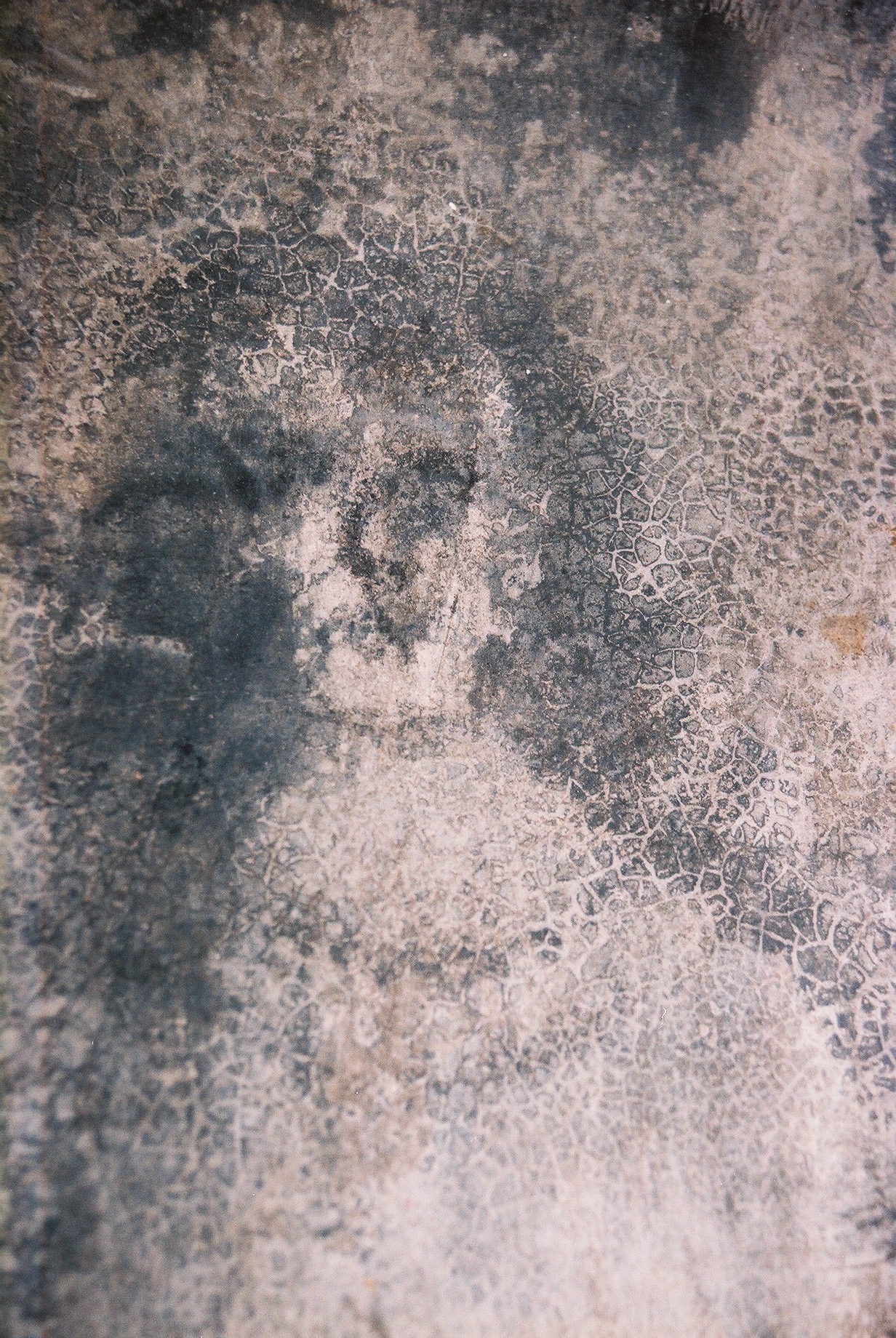
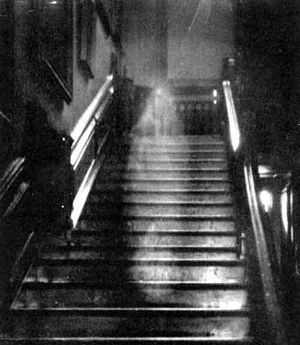
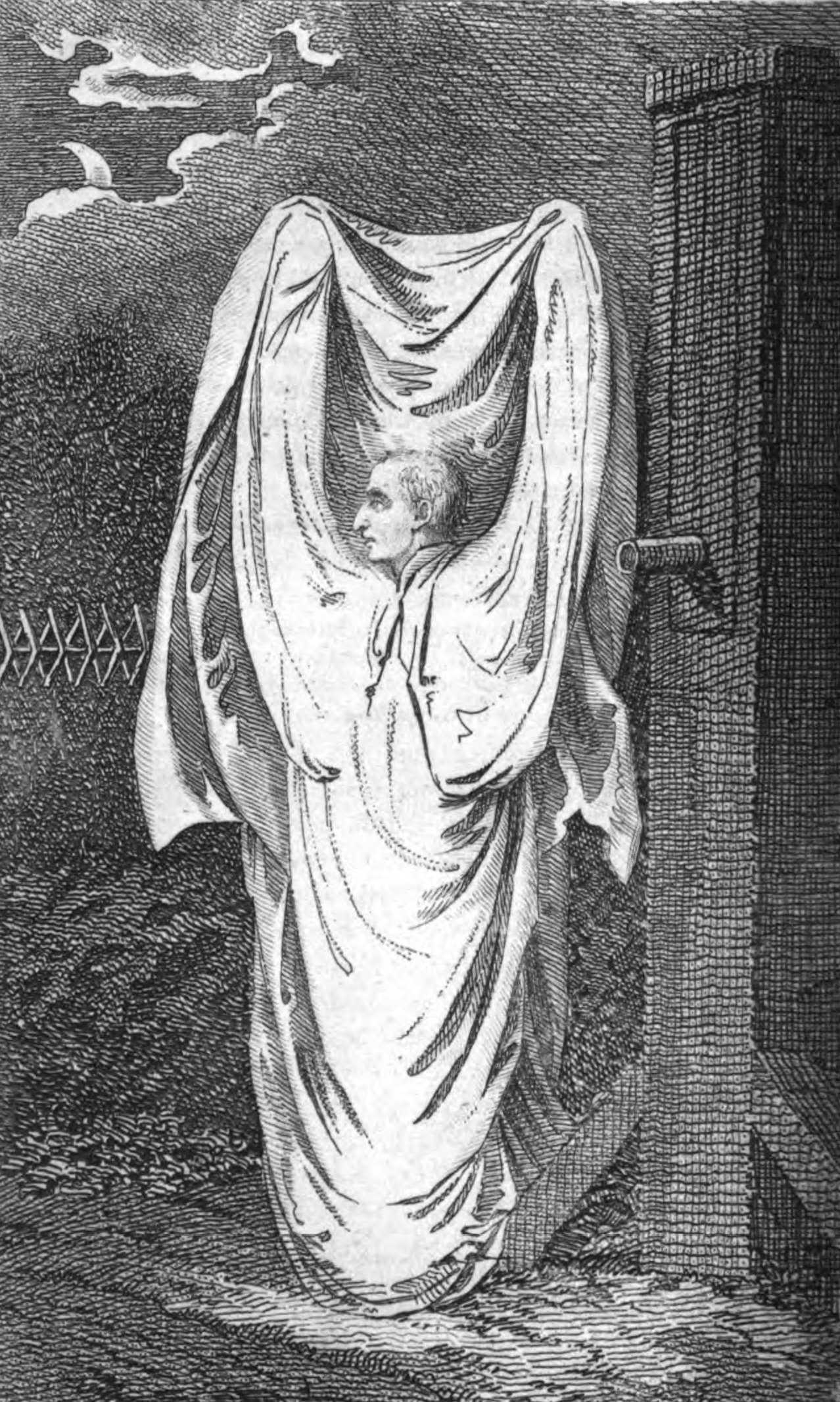
Accounts of ghosts encompass a range of sensory impressions rather than a single fixed appearance. Witnesses often describe:
- visual apparitions resembling a person or taking on a vague outline;
- sudden temperature drops or a perceived cold spot;
- unexplained lights or orbs of light phenomena and faint luminous shapes;
- mists, vapour-like forms or mists in places with no obvious source;
- auditory experiences such as footsteps, voices or knocks; and
- a sense of presence or emotional impressions rather than a physical touch.
Some traditions emphasize ghosts appearing in human form, while others describe them as formless impressions. They are frequently associated with specific locations—an old house, a battlefield, or a site of tragedy—such as an abandoned house or a long-established landmark.
Origins and cultural variations
Beliefs about ghosts are nearly universal and have deep roots in religious and folk systems. Different languages and traditions give ghosts distinct roles: ancestral guides, restless revenants, protective household spirits or dangerous spectres. In East Asia, moral obligations to the dead and ancestor veneration shape expectations about restless souls; Confucian ethics include advice to respect ghosts and gods while maintaining distance from them. In Southeast Asia, a sudden or violent death can produce particularly feared entities such as Thailand's Phi Tai Hong. Abrahamic and Near Eastern traditions also recognize non-human spirits: for example, Islamic scripture discusses beings called jinn, which differ from human ghosts in origin and attributes.
European folklore contains many variations on the theme of the returning dead. Stories of revenants and undead figures—referred to in some regions as the vampir, the Romanian strigoi, the Greek vrykolakas or the Scandinavian gjenganger—often reflect social anxieties about disease, burial practices and family obligations. Ghosts may appear immediately after death or only centuries later according to specific narratives.
Investigation and skeptical perspectives
Reports of ghostly experiences have led to organised investigation and popular entertainment. Amateur and professional investigators sometimes use electronic devices—motion detectors, audio recorders and environmental sensors—to document anomalies. Equipment commonly cited in these contexts includes electromagnetic field meters and thermal devices such as heat sensors, among other equipment. Television programmes, websites and local groups often pursue purported hauntings and collect eyewitness testimony.
Scientific and sceptical commentators attribute many ghost reports to psychological and environmental factors: misinterpreted natural phenomena, suggestion, sleep paralysis, grief-related hallucinations, cognitive biases and errors in perception. Studies emphasize testing claims under controlled conditions and caution against assuming paranormal explanations when ordinary causes remain plausible.
Role in literature, media and social life
Ghosts are persistent motifs in storytelling and visual media: they structure moral lessons, create suspense, and let authors and filmmakers explore mortality, memory and guilt. They appear across genres—from folktales and Gothic novels to modern horror cinema and ghost-hunting reality shows. Beyond entertainment, ghost stories function as urban legends that encode local history and communal anxieties; they can also reinforce cultural practices around mourning and memorialization, appearing in books, plays and books and movies alike.
Terminology, distinctions and further resources
The words ghost, spirit, apparition, revenant and poltergeist are often used interchangeably in everyday speech but carry specific connotations. "Spirit" may be used in religious contexts to mean a soul freed from the body (spirit). "Poltergeist" traditionally denotes disruptive physical phenomena rather than a human-shaped apparition. "Revenant" implies a returned dead person with a purpose, sometimes harmful. Discussions of ghosts also intersect with local categories of supernatural entities and long-standing folklore motifs.
For readers wanting to explore related concepts and sites often associated with ghost stories, the following list highlights typical themes and tools referenced in accounts and investigations:
- Skeptical perspectives
- Geographic settings and sites
- Urban legends
- Regional spirit traditions
- Investigative equipment
- Heat-sensing tools
- Spirit terminology
- Apparitional human form
- Light phenomena reports
- Fog and mist sightings
- Typical haunted locations
- Perceived cold spots
- Historical reappearances
- Classical commentary
- Non-human spirit traditions
- Ghosts in literature
- Ghosts in film
- European revenant types
Whether treated as religious reality, psychological experience, or cultural metaphor, ghosts remain a vivid part of human thought about death and the unknown. Accounts and beliefs continue to evolve, adapting older motifs to modern media and new social concerns.
Questions and answers
Q: What is a ghost?
A: In folklore, a ghost is thought to be the spirit of a dead person or they are referred to as the supernatural by others. Scientists say that there are no real ghosts, but many people believe that there are.
Q: What do stories about ghosts usually involve?
A: Stories about ghosts often involve the spirit of a person who was killed by someone or who was already dead. The ghost may stay on Earth because he or she has unfinished problems or is still trying to say goodbye to people who they missed. Sometimes ghosts are said to live in a particular locality, for example an abandoned house or a place that existed hundreds of years ago.
Q: Are all ghosts bad?
A: No, not all ghosts are bad. There can be bad ones and good ones. There have never been any ghosts that have actually hurt or killed people, although people tell stories about it. Many people believe they have seen friendly ghosts helping those with problems.
Q: How do you know if you've seen a ghost?
A: People who try to talk to ghosts as their job are called mediums and often report feeling cold and light around them when near one. Some also report seeing misty clouds and some even claim seeing human-like figures which may appear suddenly causing fear in the person who sees them.
Q: Where can we find stories about ghosts?
A: Stories of ghosts can be found all over the world in books, movies and urban legends passed down through generations from different cultures such as Chinese philosopher Confucius saying "Respect Ghosts and gods, but keep away from them" or Thailand's Phi Tai Hong -the ghost of someone who died suddenly due to violence-or Europe's recurring fear of revenants among other examples .
Q: Is there any way to prove the existence of these paranormal creatures?
A: Some attempt at proving their existence using special technology such as heat sensors while others dedicate TV shows investigating cases where someone claims having seen one or visiting places where sightings were reported before .
Related articles
Author
AlegsaOnline.com Ghosts: Beliefs, Descriptions, and Cultural Variations Leandro Alegsa
URL: https://en.alegsaonline.com/art/38658
Sources
- siu.edu : "Classical ghost stories"
- books.google.com : Hawaiian Legends of Ghosts and Ghost-Gods
- www1.chinaculture.org : "Chinese Ghost Culture"
- thaiworldview.com : Spirits
- books.google.com : Islam in Bangladesh, Volume 58