
Museo Reina Sofía: Spain’s National Museum of 20th-Century Art
National museum in Madrid devoted to modern and contemporary art, home to Picasso's Guernica, major Spanish collections, distinctive architecture, and a large art research library.
Overview
The Museo Nacional Centro de Arte Reina Sofía, commonly called the Museo Reina Sofía or simply the Reina Sofía, is Spain's national museum dedicated principally to 20th-century and contemporary art. Located in central Madrid near the Atocha transport hub at the southern end of the Paseo del Prado cultural axis, it forms the modern-art complement to the nearby Museo del Prado and Museo Thyssen-Bornemisza. The institution combines permanent collections, temporary exhibitions, educational programmes and research facilities in a complex that blends an older civic building with contemporary additions. See the museum's official pages: Museo Reina Sofía and general information about its Madrid setting: Madrid cultural district.
Image gallery
10 Images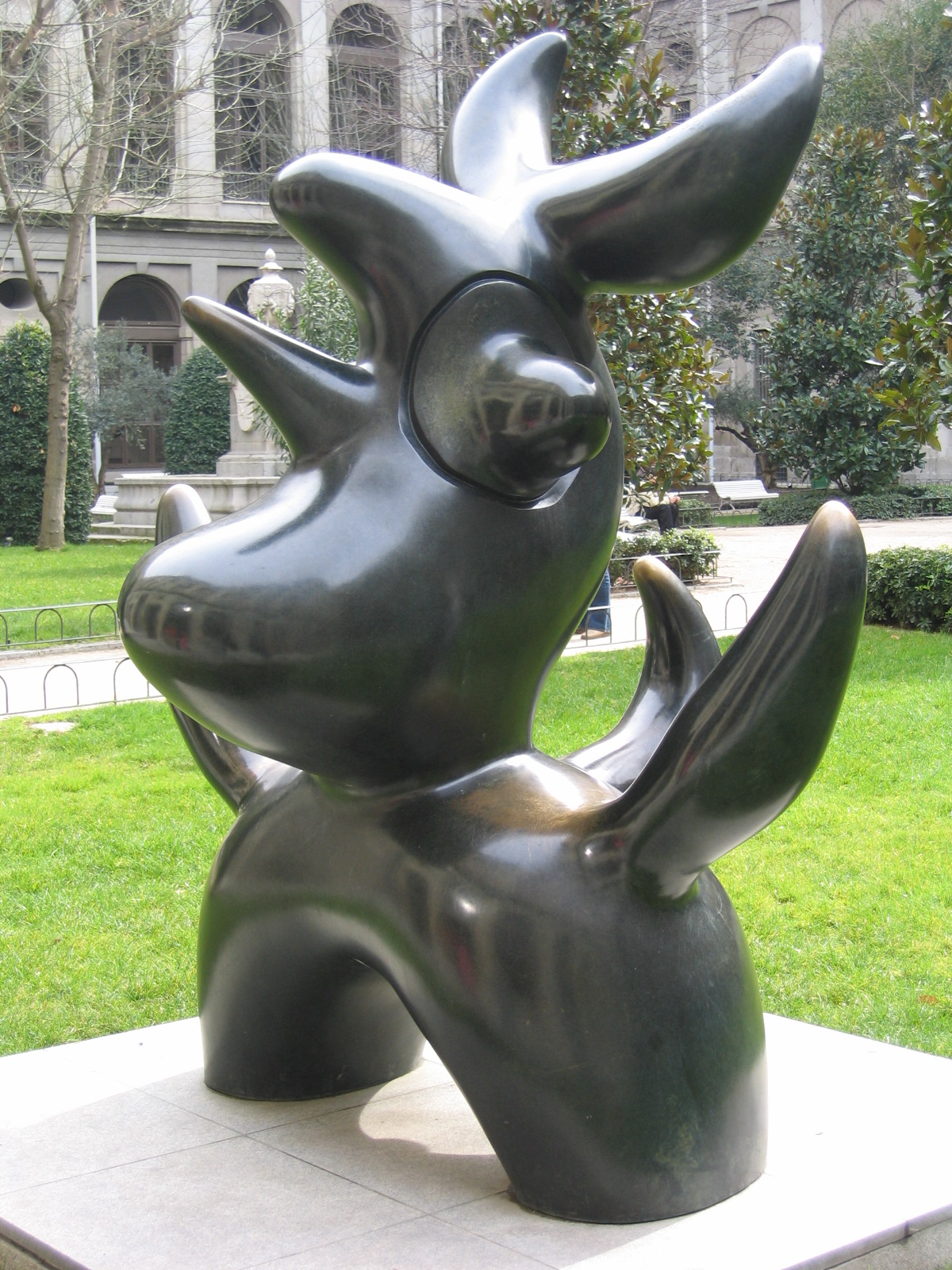


Collections and highlights
The Reina Sofía places particular emphasis on Spanish artistic production of the 20th century while also presenting international modern and contemporary work. Its holdings include painting, sculpture, photography, drawing, film and multimedia pieces. The collection is strongest in the major Spanish figures of the century and also includes notable foreign artists.
- Pablo Picasso: The museum houses one of the most important public displays of Picasso's work, including the monumental Guernica and related studies and sketches. For background on the artist, see Pablo Picasso.
- Salvador Dalí: Key works and objects by Dalí appear in the collection alongside contextual materials on Surrealism; further reference: Salvador Dalí.
- Spanish avant-garde: Works by José Gutiérrez Solana, Joan Miró and other modernists trace developments from pre‑Civil War experimentation through postwar movements.
- Contemporary and international art: Installations, video art and recent acquisitions expand the narrative beyond Spain to broader currents in postwar art.
History and architecture
The museum occupies a former 18th-century hospital building that was repurposed for cultural use in the late 20th century. Throughout the 1980s and 1990s the site underwent a sequence of renovations and reinterpretations as it transitioned from a cultural centre to a national museum. The institution received formal national museum status by decree before its official inauguration in 1992 and opened to the public in stages through the late 1980s and early 1990s.
Architecturally, the Reina Sofía is notable for the juxtaposition of the original historic fabric with modern interventions. In the late 1980s the addition of transparent circulation towers altered the building's profile and emphasized access and movement. A later major expansion designed by French architect Jean Nouvel, opened in the mid-2000s, added galleries, auditoria and contemporary facilities that redefined the museum's public spaces and exhibition capacity.
Library, research and public programmes
Beyond galleries, the Reina Sofía hosts a specialised public library and documentation centre focused on art and visual culture. The library collection includes a large number of books, sound recordings and audiovisual items and serves students, researchers and the general public. The museum also runs educational programmes, lectures, film screenings and temporary exhibitions that engage both specialist and broad audiences.
Visiting and significance
As a principal repository of Spain's modern artistic heritage, the Reina Sofía plays a central role in national cultural life and in international debates about 20th-century art. Its holdings—most famously Picasso's Guernica—make it a focal point for visitors to Madrid interested in modern art, history and architecture. Practical visitor information, current exhibitions and access details are available on the museum's official site and related municipal resources: official museum site and local guides at Madrid cultural district.
Notable distinctions
- National museum status devoted to modern and contemporary art.
- Home to emblematic works that connect artistic practice with historical memory.
- Combination of an 18th-century civic structure with bold contemporary architecture.
- Active public research library and extensive educational programming.
The Museo Reina Sofía remains an essential destination for understanding Spain's artistic developments in the 20th century and for experiencing how historical buildings can be adapted to house living cultural institutions. For biographical and collection context about featured artists, consult the linked artist resources: Picasso and Dalí.
Related articles
Author
AlegsaOnline.com Museo Reina Sofía: Spain’s National Museum of 20th-Century Art Leandro Alegsa
URL: https://en.alegsaonline.com/art/67718