
Mudflow: causes, behavior, hazards and volcanic lahars
Mudflows are rapid, water‑rich landslides that move soil, rock and debris downhill. This article explains their mechanics, causes (including lahars), risks, and common mitigation measures.
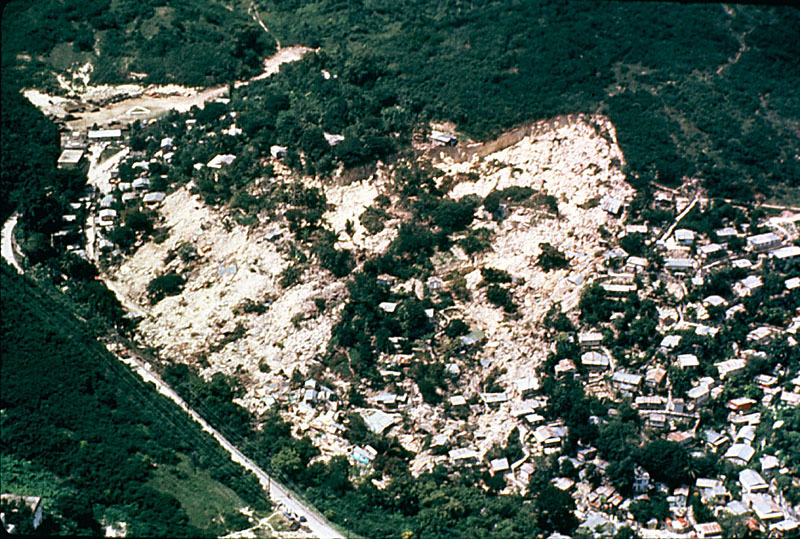
A mudflow, sometimes called a mudslide, is a fast-moving mass of water-saturated earth that flows downhill under the influence of gravity. These events occur when rainfall, melting snow, or sudden releases of water mix with loose soil, ash, or other unconsolidated material, creating a slurry that can travel rapidly down a slope. Mudflows range from small, localized flows to large, destructive surges capable of burying roads, buildings and agricultural land.
Image gallery
3 Images
Characteristics and dynamics
Mudflows share properties with both floods and landslides. They are more fluid than dry landslides but denser than water floods because of their high sediment content. Typical features include laminar or turbulent flow, the ability to entrain (pick up) additional debris as they move, and the formation of lobes or levees along channel margins. Flow speed varies with slope, water content and the amount of coarse debris; some mudflows travel slowly, while others can reach high velocities of tens of kilometres per hour under steep conditions. In volcanic settings the same process produces lahars, a particularly hazardous subtype composed of volcanic ash, rock and water.
Common causes
- Heavy or prolonged rainfall saturating soils and triggering failure.
- Snowmelt or glacier melt that rapidly adds water to unstable material. See snow and glaciers for related processes.
- Sudden releases such as dam or lake breakout floods; these can transform into mudflows when they entrain sediment.
- Human activities like deforestation, mining, construction and poor land management that leave slopes exposed and less stable.
- Volcanic eruptions that melt snow or mobilize loose tephra and ash, producing lahars; more on volcanically induced flows below, and see volcanic eruptions for context.
Volcanic lahars and special hazards
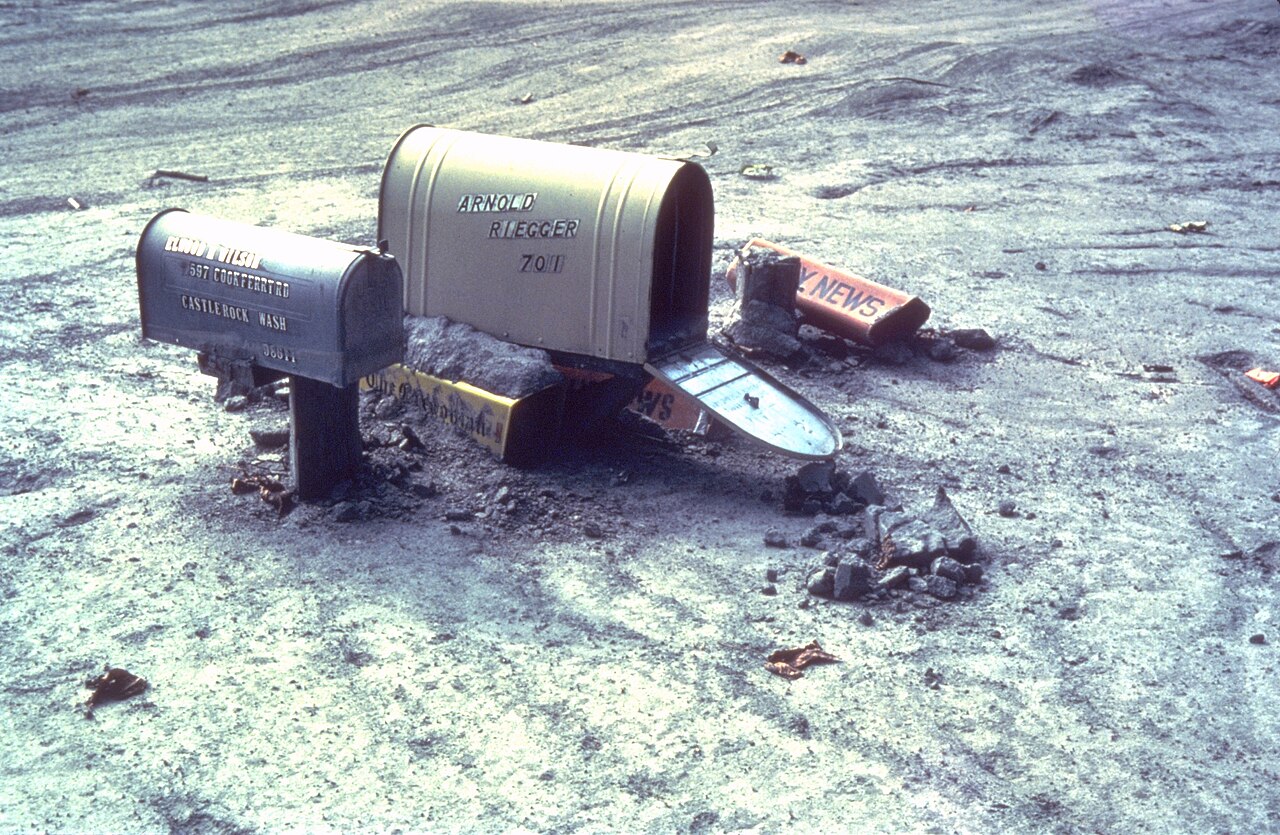
Lahars are mudflows composed largely of volcanic material and water. They form when pyroclastic deposits or ash become saturated, when crater lakes are breached, or when eruptive heat melts ice and snow. Lahars commonly descend river valleys and can travel far beyond the volcano’s slopes. They are often dense enough to behave like flowing concrete and have destroyed towns and infrastructure in past events. Causes include melting due to hot pyroclastic flows, water released from crater lakes, and clay-rich volcanic sediment becoming mobilized; see slurry, water and debris flow descriptions for related terms.
Impacts and notable facts
Mudflows can cause fatalities, long-term displacement, agricultural loss and damage to roads, bridges and utilities. They also reshape landscapes by depositing thick layers of sediment. While lahars are especially dangerous because of their size and reach, non-volcanic mudflows can be equally destructive when they occur near populated valleys or canyon outlets. Flow behaviour often follows existing drainage, so valleys and channels are particularly vulnerable; see river corridors and valleys for examples of conduits. Historically, communities downstream of active volcanoes or steep, deforested hillsides have suffered major losses from these flows.
Prevention, warning and response
Risk reduction combines land-use planning, engineering and early warning. Measures include slope stabilization, reforestation, check dams and sediment traps, and exclusion zones in high-risk areas. Monitoring rainfall and river levels, instrumenting slopes, and maintaining emergency evacuation plans are critical for saving lives. In volcanic regions authorities often establish lahar warning systems tied to seismic or hydrologic sensors; when signs of melting or heavy rain appear, alerts prompt evacuations.
For further technical background and case studies, consult authoritative resources on slope processes, hydrology and volcanology. Related topics include distinctions between mudflows and other mass movements, such as rockslides and debris avalanches; for introductory reading see mountain geomorphology and dedicated volcanic hazard pages. Additional references: flow consistency, pyroclastic flows, and flood dynamics. Practical guidance for communities and planners is available through disaster management organizations and engineering manuals (glacier hazards and mitigation further discussed in specialist literature).
Note: While many mudflows are triggered by predictable weather patterns, sudden changes such as intense storms or volcanic activity can create rapid-onset emergencies. Awareness of local terrain, land use and seasonal conditions helps reduce exposure and improve readiness.
Related articles
Author
AlegsaOnline.com Mudflow: causes, behavior, hazards and volcanic lahars Leandro Alegsa
URL: https://en.alegsaonline.com/art/67341
Sources
- volcanoes.usgs.gov : "Lahar"
- volcanoes.usgs.gov : "Lahars and their effects"