
Travel: purposes, modes, history, and responsible practices
A concise encyclopedia-style overview of travel: definitions, common modes and accommodation, purposes (commuting, tourism, migration, pilgrimage), historical development, planning, impacts and travel culture.
Travel is the human practice of moving from one place to another for work, residence, leisure, ritual or other reasons. It ranges from very short, routine trips to distant or long-term relocations. Many routine journeys—daily trips to a workplace or school—are described as commuting, while relocation of large groups over time is sometimes categorized as human migration. Travel for leisure, study, or visiting friends and family is commonly called tourism.
Image gallery
7 Images


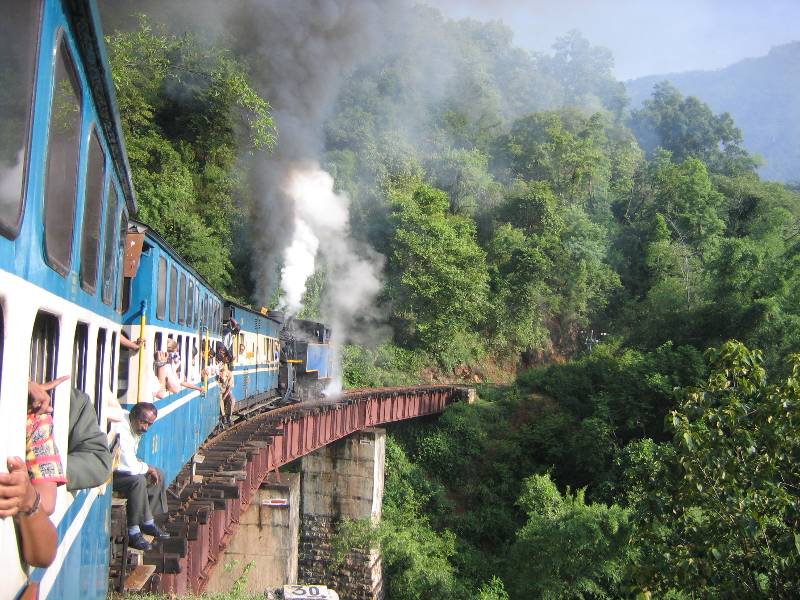
Common modes and places to stay
Over centuries, technology and infrastructure have diversified how people travel. Walking and animal transport were the primary means for most of human history; later innovations included sailing ships, railways, motor vehicles and powered flight. Today, people choose different modes depending on distance, cost and purpose: long-distance flights, trains, driving, coach travel, cycling or walking. Some popular organized options include cruise ship vacations and guided train journeys.
Accommodation during travel takes many forms. Tourists and business travelers may use hotels, hostels or short-term rentals; some prefer small operations such as bed and breakfasts (B&B), while others choose camping or caravaning for a closer-to-nature experience (camping). Choices often reflect budget, desired comfort and local availability.
Purposes and common categories
Travel has multiple motivations. Business travel supports commerce and professional duties. Pilgrimage remains important in many religious traditions as a journey with spiritual meaning (pilgrimage). People travel for adventure, cultural exchange, education, health care, or simply to change environment. Recreational walking and long-distance trekking—sometimes called hiking—are popular forms of active travel.
- Routine: commuting and short errands (commuting).
- Work-related: business trips and field assignments.
- Leisure and tourism: sightseeing, resorts, cruises (cruise ship).
- Religious or cultural: pilgrimages or heritage visits (pilgrimage).
- Relocation: migration and long-term moves (migration).
Planning, safety and impacts
Effective travel planning considers transport options, accommodation, health and safety, visas or permits, and local customs. Many travelers consult guidebooks, travel writers and personal accounts—ranging from memoir-style autobiographies to daily journals—to learn practical tips. Modern tools also include online booking platforms and route planners.
Travel has economic and social benefits but also environmental and cultural consequences. Air travel and road traffic contribute to greenhouse gas emissions; popular destinations can face overtourism, affecting local communities and ecosystems. Increasingly, travelers and industry stakeholders discuss sustainable practices such as slower travel, choosing lower-impact transport, supporting local businesses, and respecting cultural and natural resources.
Styles, distinctions and culture
Travel styles vary from backpacking and low-cost independent trips to luxury holidays and escorted tours. Distinctions commonly cited include short-term tourism versus long-term relocation, solitary versus group travel, and adventure versus comfort-oriented trips. Travel has inspired extensive literature and reporting: many people chronicle journeys in essays, guidebooks and narrative travel writing, while photographers and bloggers document experiences for wide audiences. Air transport remains central to most international travel today (flight). Other enduring practices include hitch-hiking, driving and train travel.
Further reading and resources
For practical topics related to specific kinds of travel—commuting tips, sustainable tourism, pilgrimage guides, or cruise planning—consult focused resources: commuting, migration, tourism, B&B, camping, autobiographies, journals, hiking, cruise ship, pilgrimage and flight.
Related articles
Author
AlegsaOnline.com Travel: purposes, modes, history, and responsible practices Leandro Alegsa
URL: https://en.alegsaonline.com/art/101246