
Debris: types, causes, impacts, and approaches to management
Debris denotes scattered remains—natural or man-made—from destruction or discard. This article explains types, formation, environmental and social effects, and common management strategies.
Overview
Debris is the collective term for scattered fragments or discarded material left after destruction, deterioration, or disposal. It includes man-made refuse such as construction waste and household detritus as well as natural fragments produced by geological activity. The word is used broadly across fields from urban sanitation to emergency response and Earth science. For discussion of human-produced refuse, see man-made garbage.
Image gallery
4 Images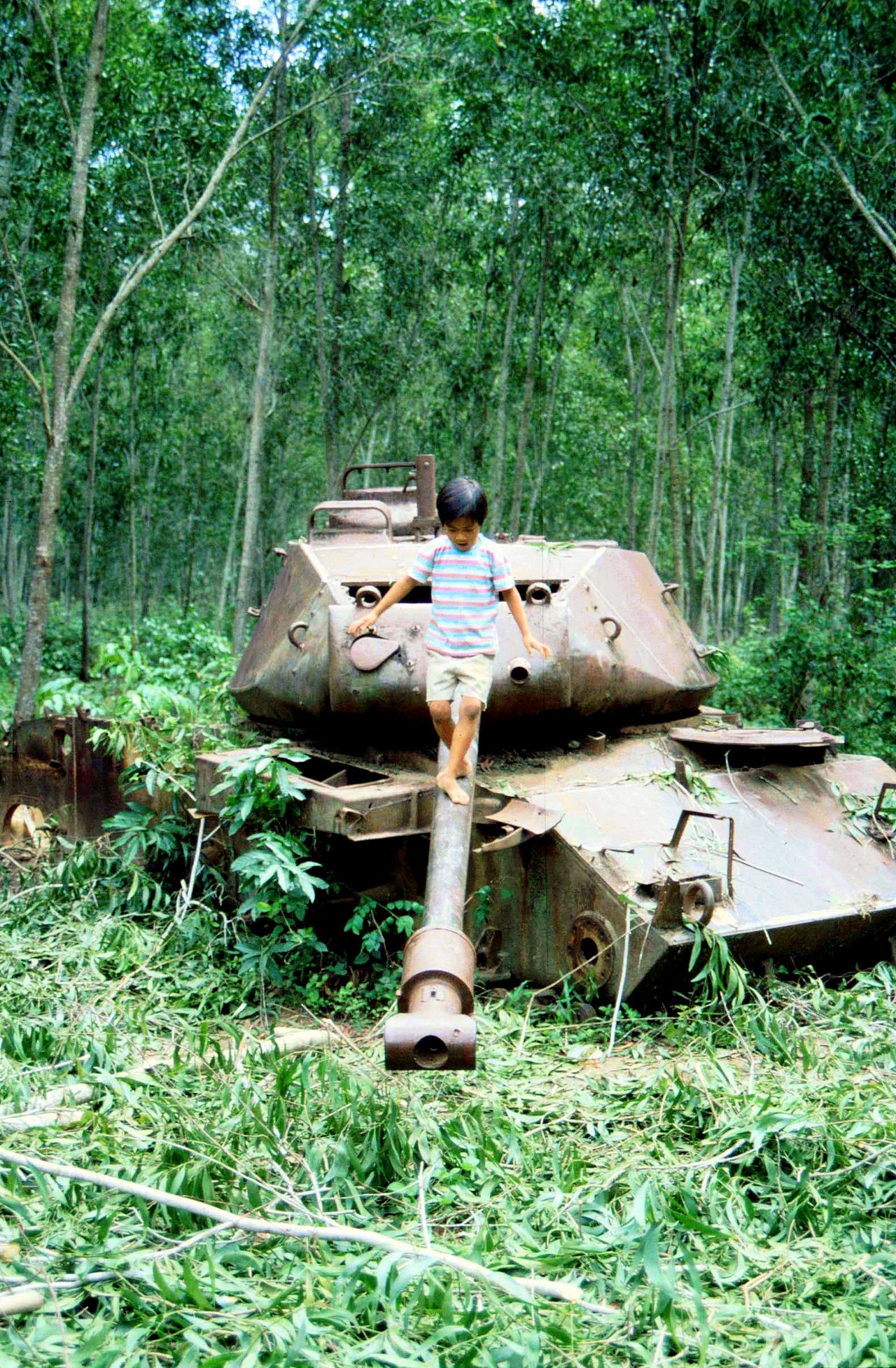


Types and common characteristics
Debris is usually classified by origin and composition. Typical categories include municipal solid debris (everyday consumer waste), construction and demolition debris, vegetative debris from storms, and fragments produced by geological processes. Marine and space environments have specialized categories such as marine litter and orbital debris. Everyday vocabulary often calls household detritus "trash", while studies that compare per-person generation refer to broader measures of trash generation.
Sources, formation, and natural processes
Natural disasters create large volumes of debris: the remains of damaged buildings, vehicles and landscape detritus produced during natural disasters. Geological events contribute debris through processes studied in geology, including rockfall from landslides, material expelled in volcanic eruptions, and snow and ice fragments in avalanches. Human activities also produce debris intentionally or incidentally—demolition, mining, and everyday consumption all add to the total pool of scattered material.
Environmental and societal impacts
Debris can harm ecosystems, block waterways, create public health risks and complicate disaster recovery. For example, storm-generated vegetative debris may obstruct drainage, while construction fragments can contaminate soil and groundwater. In many countries per-capita waste production is high; reducing that output relies on strategies like recycling, reuse and reduced consumption. Salvage, hazardous-material separation and proper disposal are central to reducing long-term impacts.
Management, mitigation, and reuse
Response to debris varies with context. In urban settings, municipal services sort, recycle and landfill wastes; after disasters, coordinated removal and staging are required before reconstruction. Engineering controls (retaining structures, debris basins) can limit movement in landslide-prone areas, while regulations and best practices guide how construction and demolition debris is handled. Community-level actions—source reduction, material recovery and volunteer cleanup—are often effective complements to institutional programs.
Notable distinctions and facts
- Context matters: the word covers both deliberate refuse and fragments from accidental or natural destruction.
- Specialized terms exist: "marine debris" for ocean litter and "space debris" for defunct satellites and fragments in orbit.
- Legal and logistical frameworks for handling debris differ dramatically between peacetime waste management and emergency disaster response.
For further reading on how different disciplines treat debris, follow resources on waste policy, disaster cleanup and geological hazards via links to regulatory and scientific literature: definitions, disaster response, geological context, landslide studies, volcanology, avalanche research, waste terminology, generation statistics, and recycling guidance.
Related articles
Author
AlegsaOnline.com Debris: types, causes, impacts, and approaches to management Leandro Alegsa
URL: https://en.alegsaonline.com/art/26087