
National Hurricane Center: role, functions, and public guidance
U.S. National Hurricane Center (NHC): responsibilities, forecasting products, data sources, coordination with WMO, and how watches, warnings and track forecasts are issued.
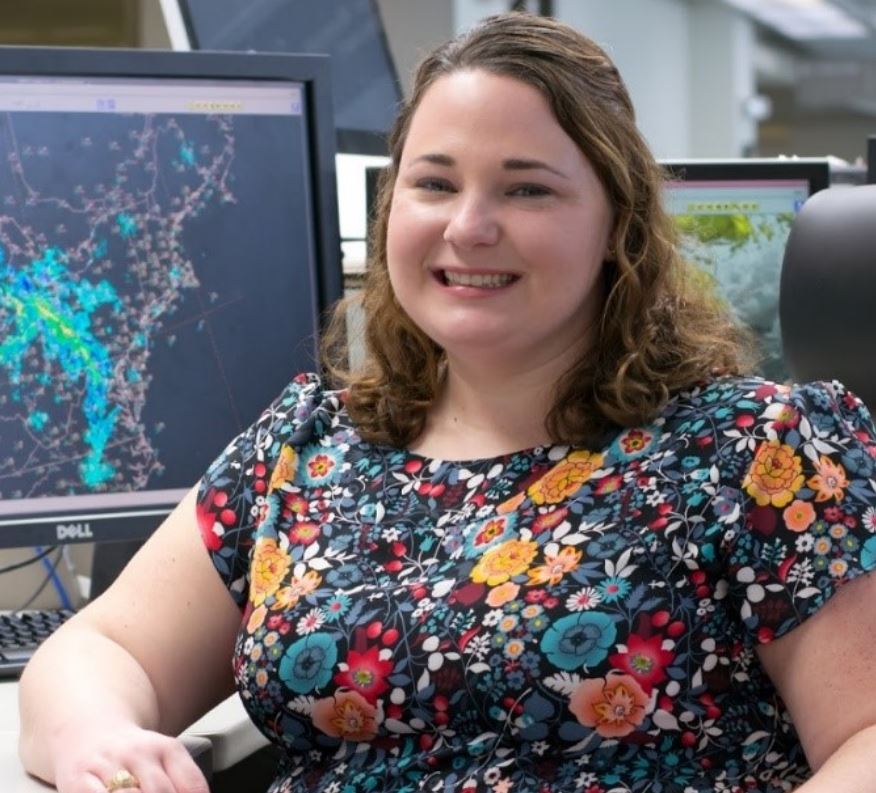
The National Hurricane Center (NHC) is the United States' operational center for forecasting tropical and subtropical cyclones that affect the Atlantic and eastern/central Pacific basins. It is part of the National Weather Service (NWS) and operates within the federal environmental framework to provide public forecasts, warnings and technical guidance to emergency managers, the media and other meteorological agencies. The NHC headquarters is located in Miami, Florida, where forecasters combine observational data and numerical models to produce public products.
Image gallery
10 Images




Primary responsibilities and products
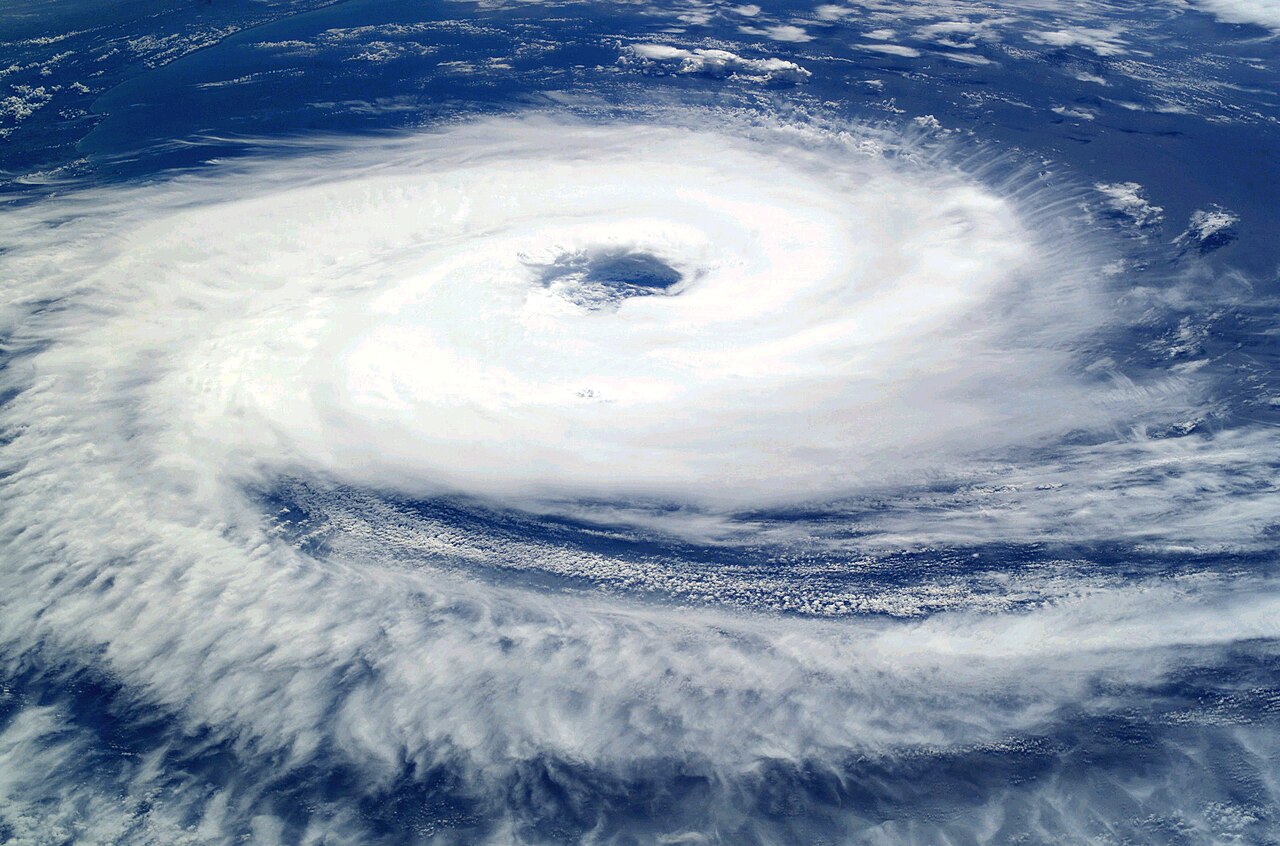
The NHC issues a suite of time-sensitive products intended to inform safety and preparedness decisions. Core products include advisories and public forecasts that present predicted track, intensity, and timing; graphical "cone of uncertainty" depictions; tropical cyclone discussions that explain forecast reasoning; and storm surge forecasts and watches/warnings. The center issues tropical storm or hurricane watches when conditions are possible within 48 hours and upgrades to warnings when those conditions are expected within 36 hours. Specialized products such as Tropical Weather Outlooks identify areas of disturbed weather with potential for development.
Data sources, forecasting tools and methods
Forecasts are synthesized from many data streams. Observations come from geostationary and polar-orbiting satellites, Doppler weather radar, ocean buoys, surface stations and reconnaissance aircraft (commonly called "Hurricane Hunters"). Numerical weather prediction models provide guidance on track and intensity; forecasters weigh model output together with climatology, recent storm behavior and physical understanding of the atmosphere and ocean. The NHC also produces probabilistic products, such as hurricane strike probabilities for specific coastal locations.
Organization, history and international role
Although the NHC is a U.S. agency, the World Meteorological Organization (WMO) has designated it as a Regional Specialized Meteorological Center (RSMC) for the North Atlantic and parts of the eastern and central Pacific. In that role the center provides official forecasts and tropical cyclone information that other nations and forecasting centers use. Names for storms are drawn from lists approved by WMO committees rather than being assigned unilaterally by the NHC. The center has evolved from earlier hurricane warning offices into today’s specialized operational organization, coordinating closely with other National Centers for Environmental Prediction units and local forecast offices.
Coordination, public communication and limitations
Effective response depends on communication between the NHC, the NWS, state and local emergency managers and international partners. Products are broadcast via media, NOAA Weather Radio and online platforms to reach the public. Forecast uncertainty grows with lead time; the graphical "cone" and probabilistic products are designed to convey uncertainty and encourage preparedness for areas outside the centerline forecast. Users are advised to follow local official guidance and to consult product discussions for detailed forecast reasoning.
Examples of NHC outputs
- Advisories and track forecasts — scheduled at regular intervals during active storms.
- Watches and warnings — issued to indicate potential and expected hazardous conditions.
- Graphical products — maps, cones, and storm surge graphics used by the public and officials.
- International coordination — routine exchanges with regional meteorological centers and national services.
For technical details, forecasts and the latest advisories consult the official NHC releases and partner services; these are intended to support decision making before, during and after tropical cyclone events. Additional resources and archived products are available through related national and international weather organizations and regional meteorological services (NWS, WMO, NHC). For general reference on tropical cyclone terminology and preparedness, see educational materials and local emergency management guidance (watches & warnings, local advisories, development outlooks).
Related articles
Author
AlegsaOnline.com National Hurricane Center: role, functions, and public guidance Leandro Alegsa
URL: https://en.alegsaonline.com/art/68627
Sources
- nhc.noaa.gov : nhc.noaa.gov/aboutintro.shtml
- nhc.noaa.gov : nhc.noaa.gov/aboutnames.shtml