
Pyroclastic flow (pyroclastic density current)
A pyroclastic flow is a fast, ground-hugging current of hot gas and volcanic particles produced during explosive eruptions or dome collapse, capable of extreme heat, high speed, and widespread destruction.
Overview
A pyroclastic flow, also called a pyroclastic density current, is a rapidly moving mixture of hot gases and fragmented volcanic material that travels along the ground away from an erupting volcano. These currents form during explosive eruptions or when an unstable lava dome or eruption column collapses. They are one of the most hazardous volcanic phenomena, combining high temperature, abrasive particles, and great momentum. For background on volcanic activity that produces them see volcanic eruptions.
Image gallery
8 Images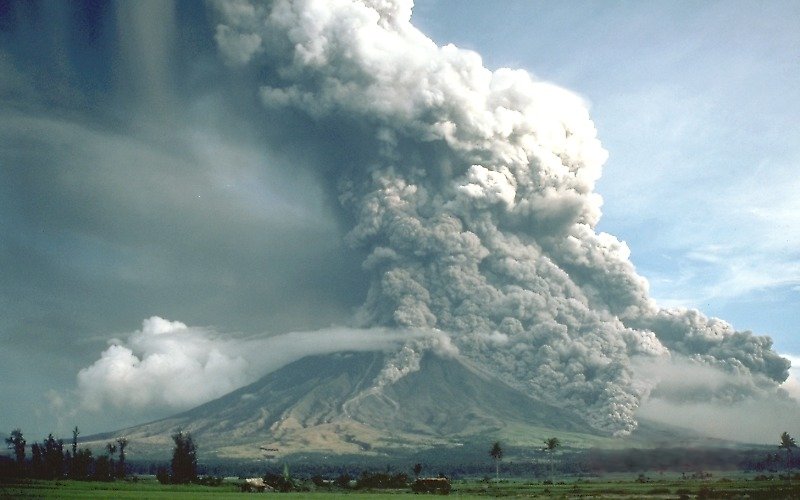




Composition and behavior
Pyroclastic flows contain a turbulent mixture of gas and solid fragments ranging from fine ash to blocks of pumice and rock. The hot gas component plays a critical role in keeping the mixture suspended and mobile; researchers describe this as a gravity-driven current of hot gas and particles that can move over complex terrain. For more on the gas component, consult sources about hot gas and volcanic gases. Temperatures within flows commonly reach several hundred degrees Celsius and can exceed 1,000 °C in extreme cases; they may travel at speeds of tens to hundreds of kilometres per hour, allowing them to overrun communities and natural barriers.
How they form
Typical formation mechanisms include collapse of a tall eruption column, gravitational failure of a growing lava dome, or directed blasts where part of the volcanic edifice fails catastrophically. When the supporting gas and steam can no longer lift the eruptive mixture, it collapses and becomes a ground-hugging flow. Depending on density and turbulence, flows grade into more dilute, fast-moving surges or denser, slower-moving currents.
Characteristics and hazards
- High temperature: capable of causing instant thermal injury and igniting flammable materials; see temperature studies at relevant research.
- High speed: can travel downhill and across flat ground, overcoming natural barriers.
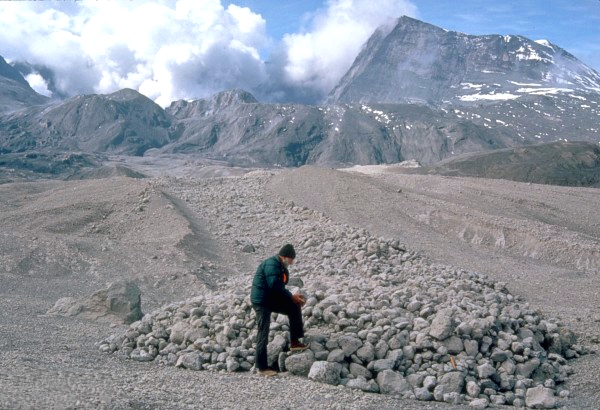
- Abrasive and burying effects: ash and larger fragments abrade structures and can smother landscapes, roads, and vegetation.
- Toxic atmosphere: hot, ash-laden gases cause asphyxiation and respiratory damage.
Historical impact and notable facts
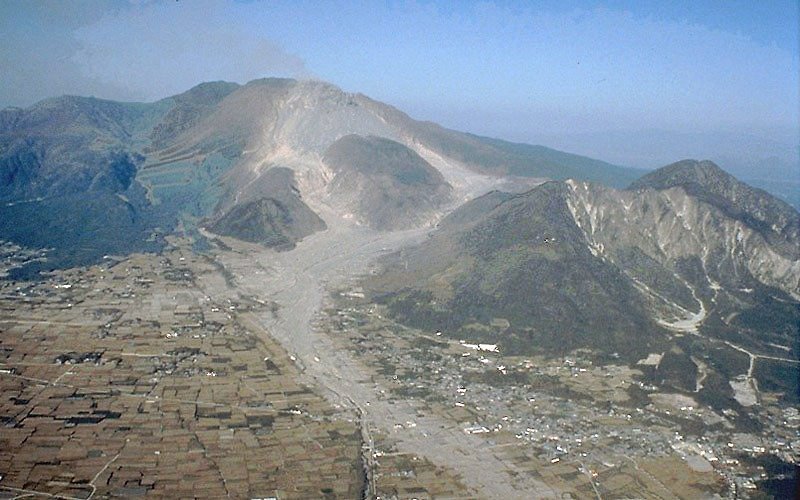
Pyroclastic flows have caused some of the deadliest volcanic disasters in history. Well-documented cases include the 1902 eruption of Mount Pelée that devastated St. Pierre, and later 20th-century eruptions such as Mount St. Helens and others that generated destructive flows and surges. In addition to immediate loss of life, they reshape landscapes, sterilize soil, and can disrupt air travel and climate when large volumes of ash are injected into the atmosphere.
Distinctions and response
Geologists distinguish between dense pyroclastic flows and more dilute pyroclastic surges: surges are usually less dense, more turbulent, and capable of surmounting topographic obstacles. Mitigation focuses on hazard mapping, monitoring of volcanic activity, early warning systems, and land-use planning to keep communities out of known flow paths. Because of their speed and intensity, survival within the main body of a pyroclastic flow is unlikely; preparedness and timely evacuation are the primary protective measures.
Related articles
Author
AlegsaOnline.com Pyroclastic flow (pyroclastic density current) Leandro Alegsa
URL: https://en.alegsaonline.com/art/80243