
Mountainous Shirvan Economic Region (Azerbaijan)
A mountainous administrative-economic area in central Azerbaijan comprising Agsu, Ismayilli, Gobustan and Shamakha districts, known for upland agriculture, historical sites and growing rural tourism.
Overview
The Mountainous Shirvan Economic Region is one of Azerbaijan's ten officially designated economic regions. It groups several rayons that share similar terrain and development priorities and is identified in national planning documents as a distinct unit for infrastructure, investment and regional policy official classification.
Image gallery
2 Images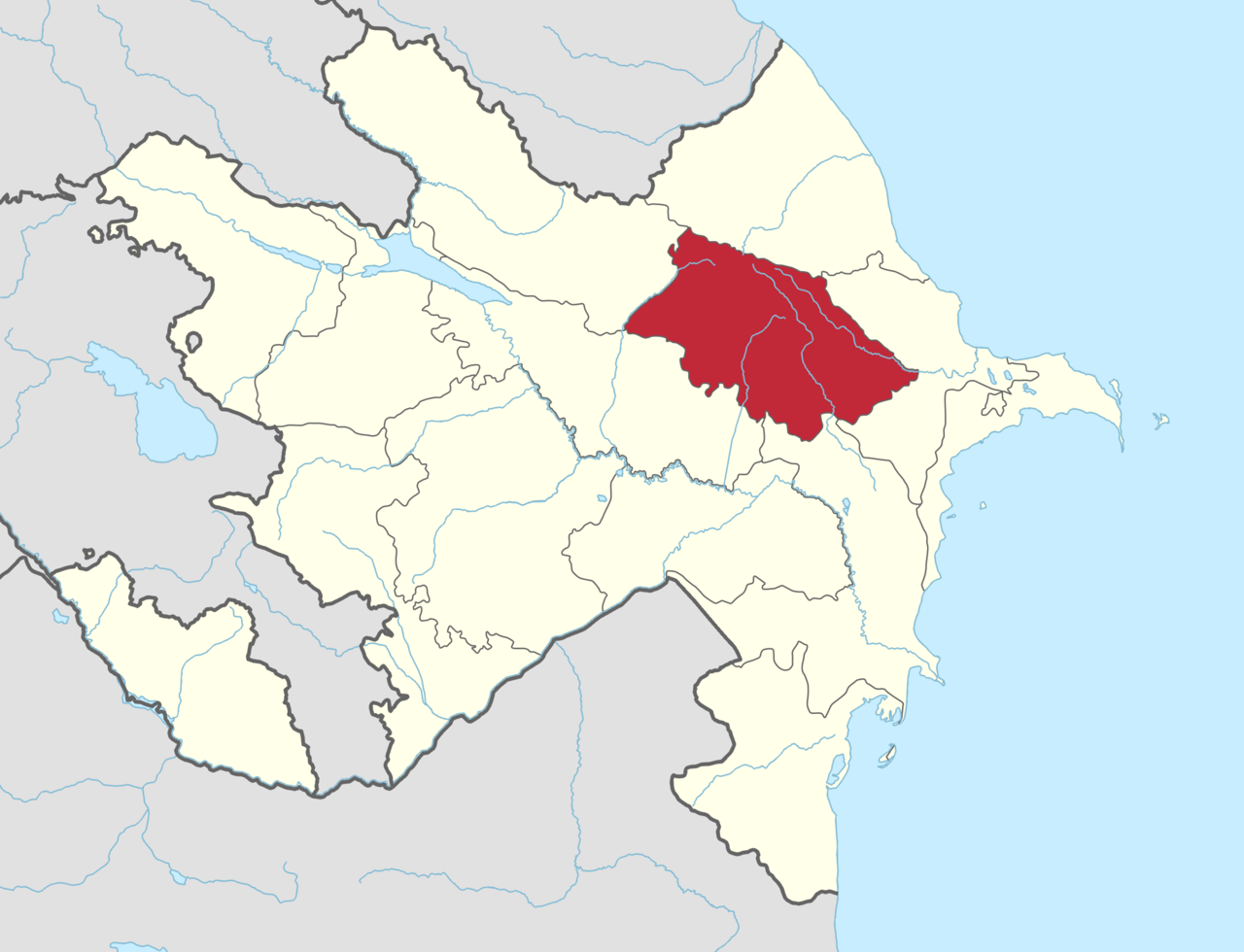

Administrative composition
The region includes four primary administrative districts: Agsu, Ismayilli, Gobustan and Shamakha. Each district administers a mix of small towns and rural communities. For local information see Agsu district overview and Gobustan district profile.
Geography and environment
As its name indicates, the area occupies upland and foothill zones to the west of the Greater Caucasus. Elevations and microclimates vary: valleys and terraces support orchards and vineyards, while higher slopes carry pastures and wooded patches. Seasonal streams and mountain springs are important water sources for villages.
Economy and land use
Economic activity is mainly rural and resource-based. Agriculture — including fruit growing, viticulture, beekeeping and livestock grazing — is widespread. Small-scale food processing, forestry and local crafts contribute to livelihoods. Road and services development aims to improve market access for mountain producers.
History, culture and notable facts
The territory overlaps historically with parts of the old Shirvan region and contains traditional settlements, historic mosques and caravan routes. Shamakha in particular has long cultural significance as a regional center. Handicrafts, such as carpet-making and woodworking, remain part of local cultural identity.
Tourism and distinctions
The region attracts visitors for mountain scenery, hiking and cultural heritage sites. A useful caution for travelers and researchers: Gobustan district in Mountainous Shirvan is distinct from the similarly named Gobustan National Park near Baku; the two are separate places with different attractions and administrative status. Continued investment seeks to balance rural development with conservation and to expand sustainable tourism opportunities.
Related articles
Author
AlegsaOnline.com Mountainous Shirvan Economic Region (Azerbaijan) Leandro Alegsa
URL: https://en.alegsaonline.com/art/67151
Sources
- unpan1.un.org : "State Program on Social-Economic Development of Regions"