
Metropolis
A metropolis is a very large, influential city—often the cultural, economic or political core of a wider region. The term has ancient Greek roots and contrasts with related concepts like megalopolis or metropolitan area.
Overview
A metropolis traditionally denotes a very large and important city that functions as a focal point for a surrounding region. In common usage the term applies to urban centers that concentrate population, services and infrastructure; many definitions treat cities with roughly half a million people or more as metropolises, though significance and function can matter more than an exact population threshold.
Image gallery
10 Images
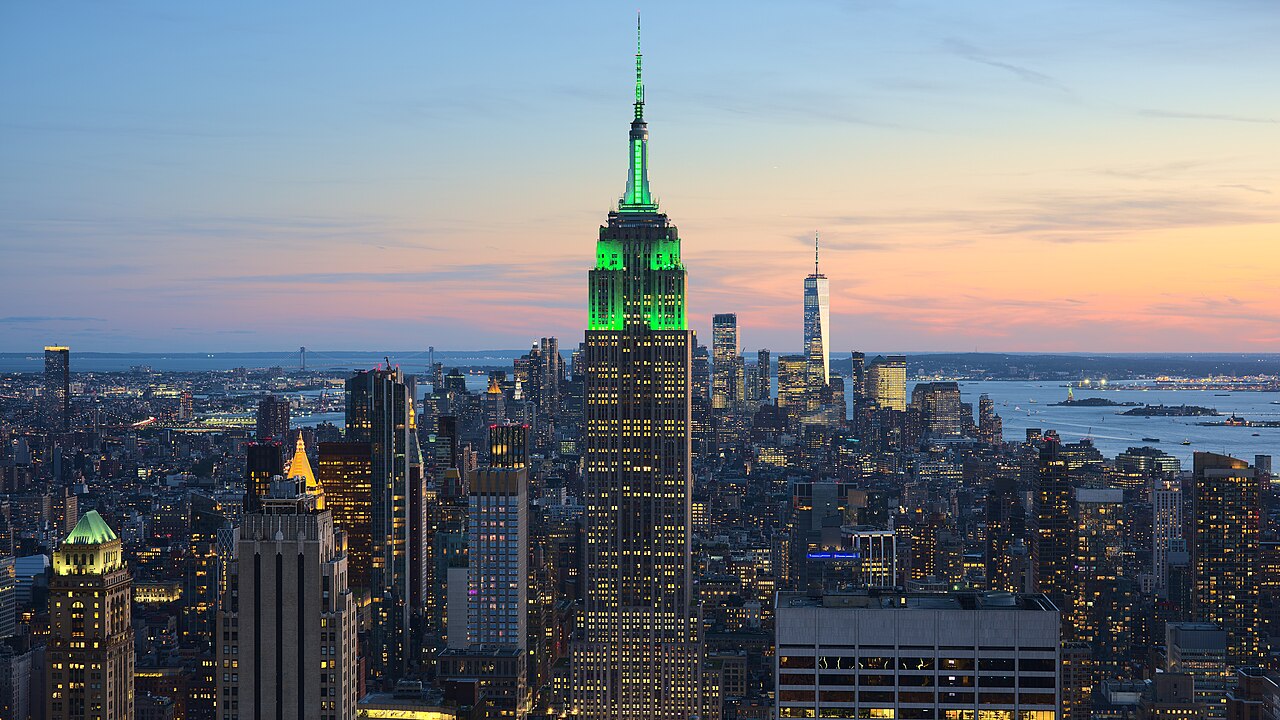


Key characteristics
Metropolises share a set of practical qualities that distinguish them from smaller towns: a diverse and dense population; a wide range of jobs and economic activity; major transport hubs such as ports, airports and rail terminals; abundant cultural institutions (museums, universities, theaters); and central government or administrative roles. They often exert influence over a larger metropolitan area that includes suburbs, satellite towns and connected commuting zones.
History and etymology
The word comes from ancient Greek, literally meaning "mother city" (mêtēr + pólis). In classical usage it described the founding city of a colony and implied political and religious ties. Over centuries the sense broadened to indicate any principal city of a region. From antiquity through the medieval and early modern eras, successive economic and technological changes — especially industrialization and improved transport — produced new metropolises and transformed older ones into centers of trade, manufacturing and administration.
Roles and importance
Metropolises serve multiple roles: economic engines that host headquarters, markets and specialized labor; cultural centers that gather artists, scholars and media; hubs of innovation where universities, research institutions and startups converge; and administrative capitals that concentrate political authority and public services. They also face characteristic challenges, including congestion, housing pressure, environmental impacts and socioeconomic inequality. Urban planning, regional governance and investment in infrastructure are central to managing these dynamics.
Distinctions and related terms
Several other terms are often used alongside "metropolis":
- Metropolitan area or metro: the city plus its commuter belt and suburbs.
- Megalopolis: a chain of adjacent metropolitan areas that form a large, continuous urban region.
- Global or world city: a metropolis with outsized influence in global finance, culture and politics.
- Conurbation: physically joined towns and cities that have grown into a single extended urban area.
Notable historical and ancient metropolises
Throughout history, many cities have been recognized as metropolises because of their size, strategic position or cultural importance. Examples include:
- Alexandria
- Angkor
- Antioch
- Athens
- Babylon
- Baghdad
- Beirut
- Benares
- Byblos
- Cahokia
- Carthage
- Constantinople
- Corinth
- Damascus
- Dholavira
- Ephesus
- Great Zimbabwe
- Harappa
- Jerusalem
- Kangla
- Leptis Magna
- Nanjing
- Nineveh
- Macchu Picchu
- Mohenjo-Daro
- Rome
- Sarai
Modern study of metropolises draws on urban history, economics, sociology and geography. Scholars and planners examine how these cities form, how they connect to hinterlands and global networks, and how policy can improve livability while preserving economic vitality. Whether ancient or contemporary, metropolises remain central sites for human activity and change.
Questions and answers
Q: What does metropolis mean?
A: A metropolis means a very big city that usually has over 500,000 people living in it.
Q: Where did the word metropolis begin?
A: The word metropolis began in Greece.
Q: What does the term metropolis refer to in a broader sense?
A: In a broader sense, the term metropolis refers to the city or state of origin of a colony (as of ancient Greece), a city regarded as a center of a specified activity, or a large important city.
Q: Why were many large cities called a metropolis in the past?
A: Many large cities were called a metropolis in the past due to their size or importance.
Q: Can a metropolis have smaller towns and cities inside its area?
A: Yes, a metropolis can have many smaller towns and cities inside its area.
Q: What are some examples of large cities that were called a metropolis in the past?
A: Some examples of large cities that were called a metropolis in the past include Athens, Rome, Babylon, Tyre, and Nineveh.
Q: What is the ancient city of Xian?
A: Xian is an ancient city that was once referred to as a metropolis.
Related articles
Author
AlegsaOnline.com Metropolis Leandro Alegsa
URL: https://en.alegsaonline.com/art/64252
Sources
- unstats.un.org : "Population density and urbanization"
- intgovforum.org : "GeoTLDs – Diversity, Multilingualism and Local Content,"
- simple.wiktionary.org : locality
- citymayors.com : Metropolis Association