
Locations of Middle-earth: regions, geography, and notable places
An overview of the principal regions, physical features, development, and narrative role of locations in J. R. R. Tolkien's Middle-earth legendarium.
Overview
The locations of Middle-earth form the fictional landscape at the heart of J. R. R. Tolkien's writings. These places—towns, kingdoms, forests, rivers and mountains—constitute the stage for stories such as The Hobbit, The Lord of the Rings and many accounts in The Silmarillion. The setting has been mapped, named and reworked throughout Tolkien's life; it functions as both a consistent geography and a mythic world shaped by language and history. For introductions and reference pages, see the primary map resources and material about J. R. R. Tolkien.
Image gallery
3 Images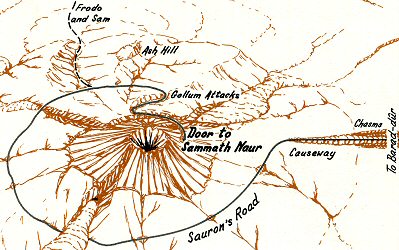


Characteristics and components
Middle-earth's geography includes coastlines and islands, plains and plateaus, dense forests, broad rivers and high peaks. Major regions include the Shire and Eriador in the west, Gondor and Rohan in the south, Mordor in the east, and the northern lands of Arnor and Rhûn in various ages. Important natural features are rivers such as the Anduin, mountain systems including the Misty Mountains, isolated mountains like Erebor (the Lonely Mountain) and distinctive ranges and passes. For a general account of Tolkien's created geography, consult overview materials and annotated maps.
Major places (examples)
- The Shire – a rural region home to the Hobbits.
- Rivendell and Lothlórien – Elvish havens that play central roles in the narratives.
- Gondor and Rohan – human kingdoms with distinct cultures and landscapes.
- Mordor – a volcanic land dominated by Mount Doom (Orodruin).
- Mirkwood, Fangorn – ancient forests with their own histories.
Origins and development
Tolkien's locations grew out of philological invention and narrative need rather than from a single static atlas. Names often derive from his constructed languages (Sindarin, Quenya and Westron), and maps were revised as stories and languages evolved. The body of work known as the legendarium records layers of change: places appear, shift and take on new meaning across different Ages. Scholarly editions and atlases collect these revisions for study.
Role, influence and distinctions
Settings in Middle-earth serve narrative, thematic and cultural purposes: they reflect history, character, and moral contrasts. Tolkien's attention to topography influenced later fantasy worldbuilding and popular conceptions of mythical geography. Distinctive features include the use of place-names to suggest language family and historical depth, and the way landscapes themselves participate in the story. For more on mountains as strategic or symbolic elements, see resources on mountains and how rivers shape travel and conflict by consulting material about rivers.
Further exploration
Readers interested in maps, place-name etymologies and chronological changes can follow annotated atlases and companion commentaries. Introductory guides and detailed studies are available for places such as Rivendell, the Grey Havens, and the Lonely Mountain; for curated lists and cartographic notes visit Middle-earth references and specialized pages at regional studies or geographical analyses.
For concentrated treatments of particular locales—be they cities, forests or mountain passes—see dedicated entries compiled in the literature and supported by maps and textual indexes, including academic and fan-maintained resources (maps, author studies).
Related articles
Author
AlegsaOnline.com Locations of Middle-earth: regions, geography, and notable places Leandro Alegsa
URL: https://en.alegsaonline.com/art/64669
Sources
- commons.wikimedia.org : Middle-earth