
Maranhão: geography, history, and culture of a Brazilian state
Overview of Maranhão, a northeastern Brazilian state: geography, environment, historical development, economy and cultural highlights including São Luís and Lençóis Maranhenses.
Overview
Maranhão is one of the federative units of Brazil, located in the northeastern region of the country. It occupies a transitional zone between Amazonian forests, coastal plains and the semi‑arid interior. Its northern edge meets the coast along the Atlantic Ocean, giving the state a mix of marine, riverine and inland landscapes.
Image gallery
10 Images



Geography and environment
The state includes diverse environments: low coastal islands and mangroves, the unusual dune fields and lagoons of Lençóis Maranhenses, seasonally flooded forests, and patches of tropical dry and moist forest further inland. Maranhão's rivers and wetlands support fisheries and migratory birds; the coast is punctuated by bays and estuaries used for fishing and transport.
History and development
Maranhão's recorded history reflects Indigenous settlement followed by European colonization. In the 19th century the region participated in global commodity circuits: large agricultural estates and the plantation system depended on enslaved people (slaves) to cultivate export crops such as cotton destined for Europe. The legacy of these periods shaped demographic patterns and cultural expressions that remain visible today.
Economy, culture and importance
The state's economy combines agriculture, fishing, extractive activities and growing tourism. Cultural life in Maranhão is notable for Afro‑Brazilian and Indigenous influences; São Luís, the state capital, preserves Portuguese colonial architecture and is a center for folkloric traditions. Lençóis Maranhenses national park attracts visitors for its sweeping white dunes and seasonal lagoons.
Cities, borders and infrastructure
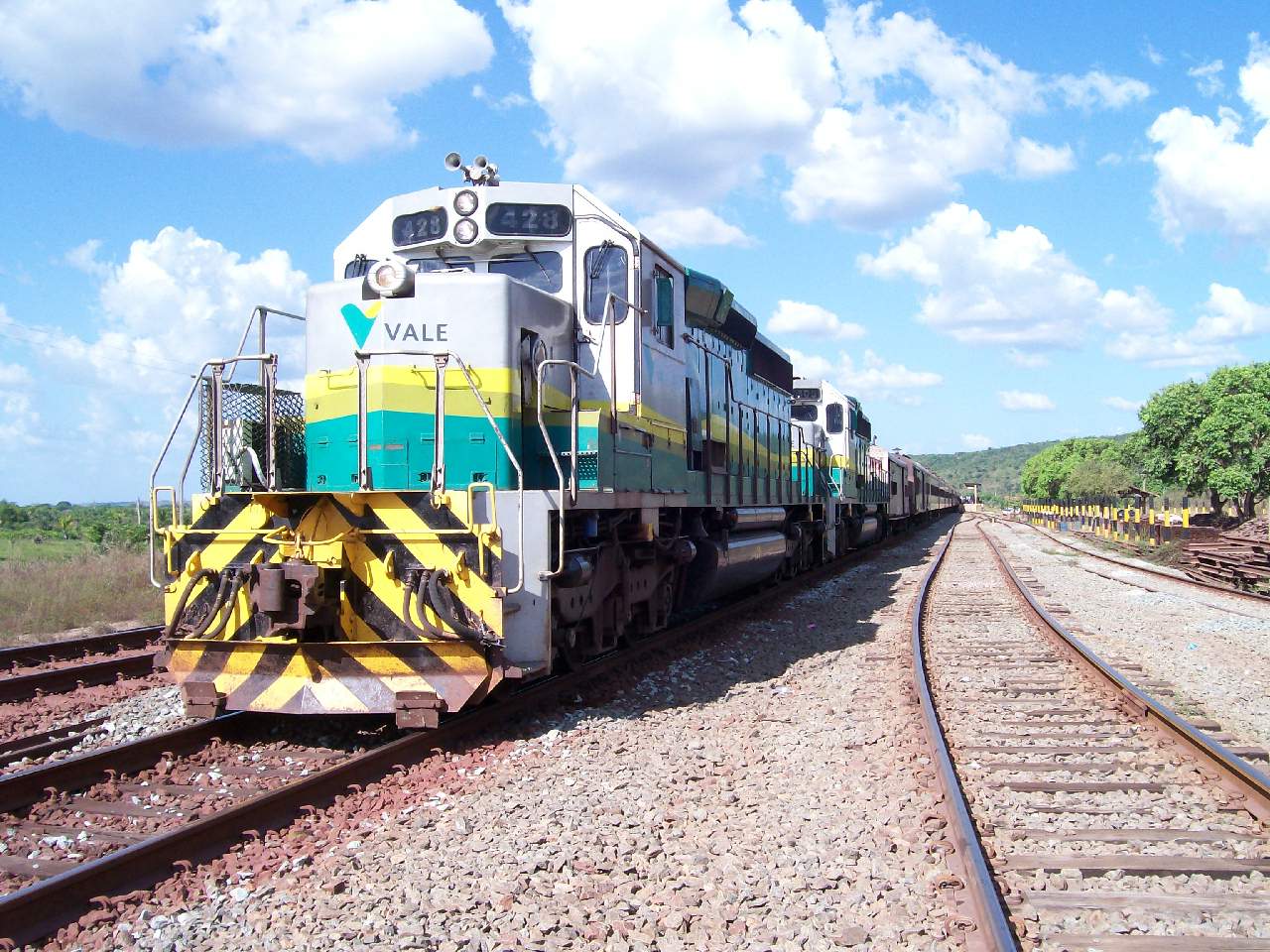
Major cities include the capital São Luís as well as Imperatriz, Timon and Caxias. Maranhão shares land frontiers with the states of Piauí, Tocantins and Pará. In the northern part of the state, near São Luís, sits the Alcântara launch facility and related infrastructure that have strategic importance for satellite launches and aerospace activity.
- Geographic highlights: Lençóis Maranhenses, coastal mangroves, river basins.
- Historical notes: colonial settlement, plantation economy, cultural hybridity.
- Contemporary concerns: sustainable development, conservation and regional connectivity.
For further reading on administrative, cultural and environmental topics, consult authoritative regional sources and governmental publications that cover Maranhão's demography, protected areas and economic programs.
Related articles
Author
AlegsaOnline.com Maranhão: geography, history, and culture of a Brazilian state Leandro Alegsa
URL: https://en.alegsaonline.com/art/61540
Sources
- ibge.gov.br : ibge.gov.br/