
São Luís, Maranhão — overview, history, culture and significance
São Luís is the coastal capital of Maranhão, Brazil, known for its colonial center, island geography, rich cultural festivals and a busy port. This article outlines its history, culture, economy and key features.
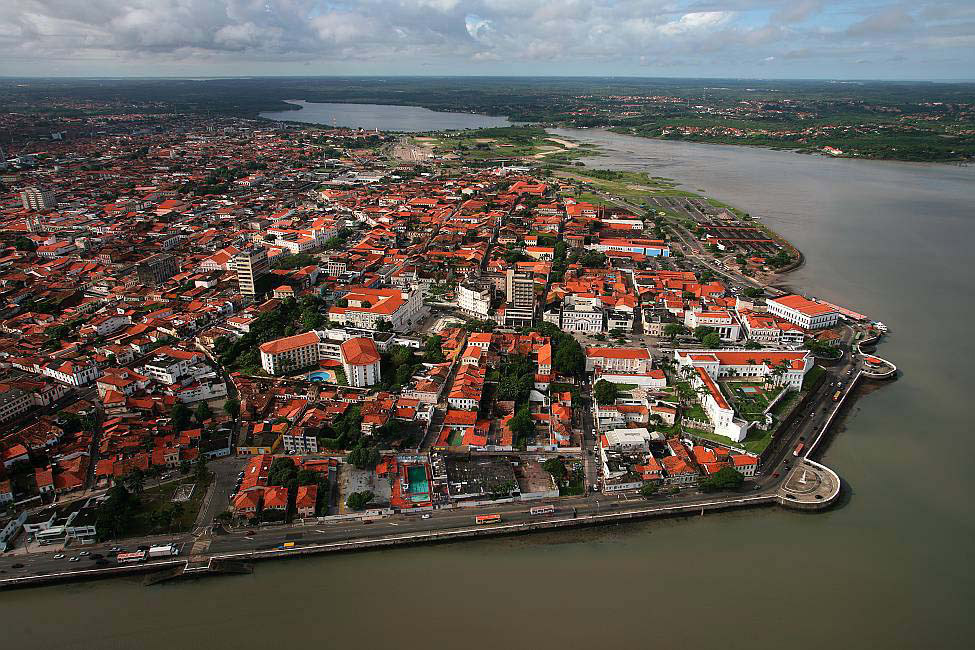
São Luís is the capital city of the state of Maranhão in northeastern Brazil. Situated on an island at the mouth of a wide bay, it serves as the political and cultural center of the state and has a metropolitan population of about one million. The city is sometimes nicknamed the "Island of Love" (Ilha do Amor) for its coastal setting and historic waterfront.

Image gallery
10 Images




Geography and characteristics
São Luís occupies an island bordered by tidal bays, mangroves and estuaries. Its urban fabric mixes a compact colonial core with more recent suburbs. The climate is tropical and humid, with distinct wet and dry periods that influence local livelihoods and coastal ecosystems. The city area includes port facilities, beaches and protected mangrove zones important for fisheries and biodiversity.
History and built heritage
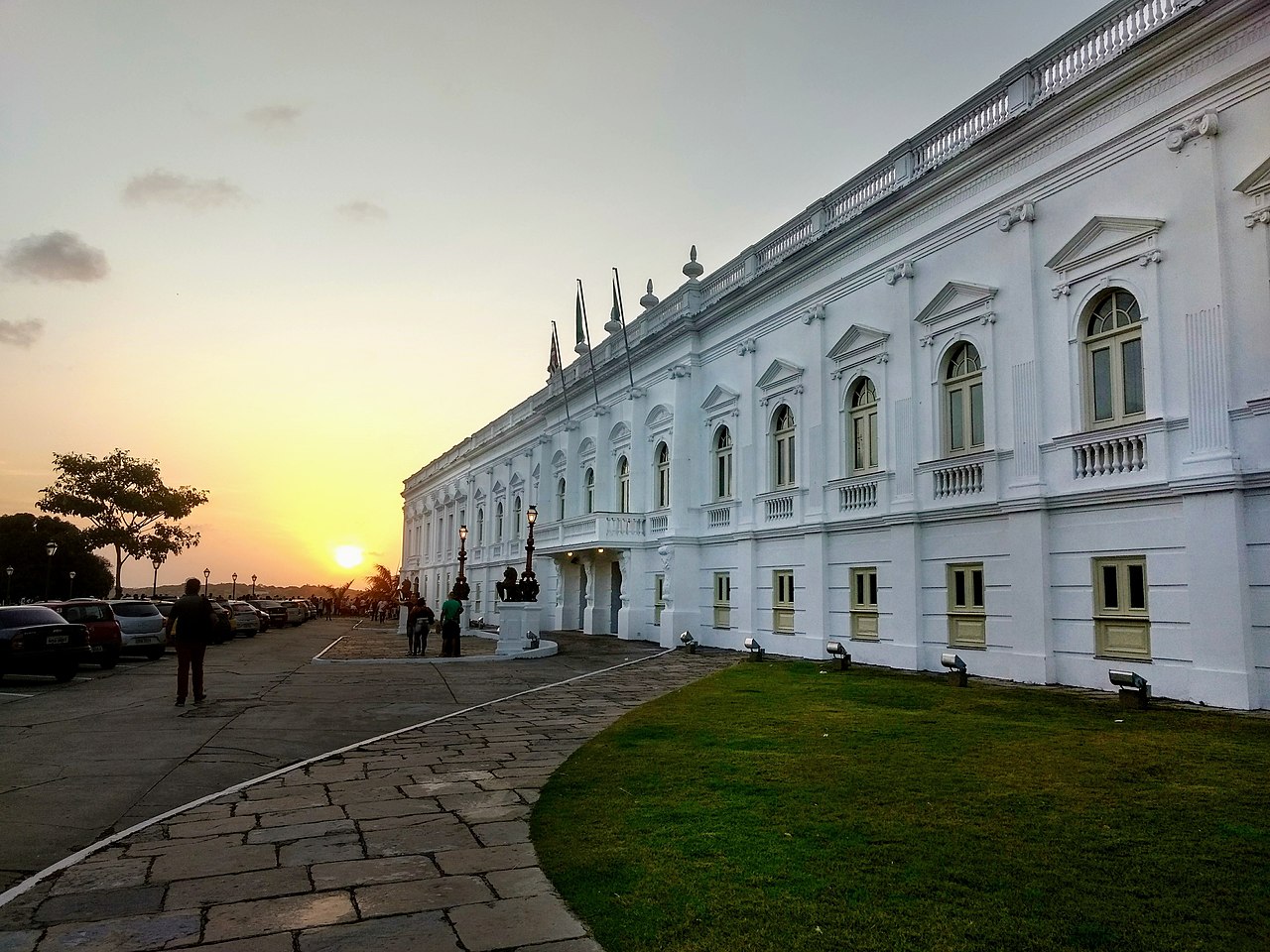
Founded in the early 17th century by European colonists, São Luís was shaped by French, Dutch and Portuguese influences before becoming firmly part of Portuguese Brazil. Its historic center preserves many colonial-era buildings adorned with imported Portuguese tiles. In recognition of this architectural ensemble and its cultural value, the historic center has been internationally acknowledged as a heritage site.

Culture, festivals and identity
The city is a regional cultural hub. Local traditions include popular festivals such as the vibrant folk performances associated with Bumba Meu Boi and large Saint John celebrations. São Luís is also noted for its strong reggae scene, which has been embraced locally and gives the city a distinctive musical identity within Brazil.
Economy and importance
São Luís functions as an administrative, commercial and transport center. A deep-water port handles regional cargo and exports, while tourism is fueled by the colonial center, coastal scenery and nearby attractions in the state. Urban growth, commerce and port activity are balanced against environmental concerns for bays and mangroves that fringe the city.
Notable facts
- Historic center recognized for its colonial architecture and tiled facades.
- Island location gives the city a strong maritime character and waterfront economy.
- Cultural mix includes traditional folk festivities and a prominent local reggae scene.
Visitors and students of Brazilian history find São Luís noteworthy for the way geography, colonial history and living traditions combine to shape a distinctive regional capital in northeastern Brazil.
Author
AlegsaOnline.com São Luís, Maranhão — overview, history, culture and significance Leandro Alegsa
URL: https://en.alegsaonline.com/art/145217