
Marchspitze: a Dolomite peak of the Hornbach chain in the Allgäu Alps
Marchspitze is a 2,609 m Dolomite mountain in the Hornbach chain of the Allgäu Alps, Tyrol, Austria. A steep, rarely frequented summit east of the Großer Krottenkopf popular with experienced alpinists.
Overview
The Marchspitze is a prominent peak in the Allgäu Alps, reaching an elevation of 2,609 metres. It lies in the eastern part of the range within the Austrian state of Tyrol, close to the border of Bavaria. The mountain forms part of the Hornbach chain, a compact crest of steep summits and ridges that rise above the surrounding valleys.
Image gallery
3 Images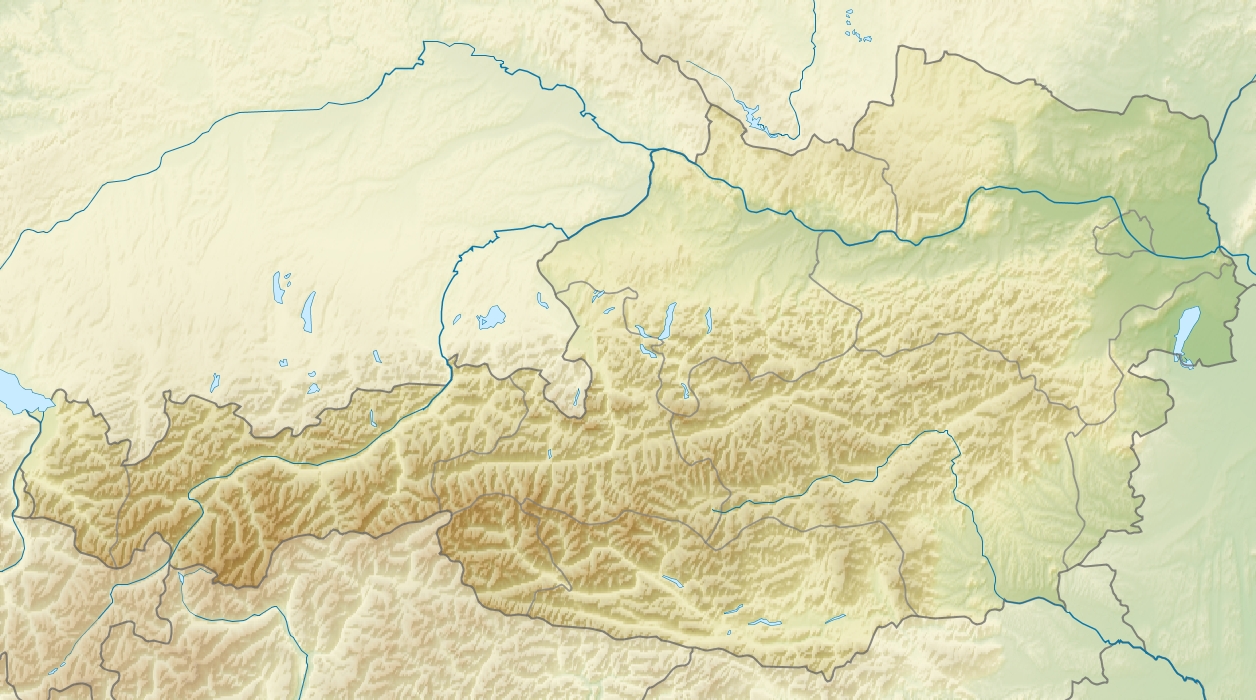


Geology and topography
The Marchspitze is composed predominantly of Dolomite, a carbonate rock that is typical for large portions of the Northern Limestone Alps. Dolomitic strata give the mountain its often sheer faces, jagged ridgelines and blocky scree slopes. Topographically it stands about 1.5 kilometres east of the higher Großer Krottenkopf, which is the highest peak of the Allgäu Alps.
Access and mountaineering
The summit is known for its steep, exposed climbing and is not served by easy hiking trails. Routes to the top generally demand alpine experience, secure footing, and a head for heights; winter ascent requires additional skills in snow and ice travel. Because of its relative difficulty and exposed terrain, the Marchspitze receives fewer visitors than lower, more accessible summits in the region.
Significance and natural environment
Although not among the most frequented peaks, Marchspitze contributes to the high-mountain landscape and supports specialized alpine flora and fauna adapted to dolomitic soils and rocky habitats. It forms part of a broader mountain system that is valued for traditional alpine grazing, conservation and recreational climbing.
Key facts
- Elevation: 2,609 m
- Range: Allgäu Alps, Hornbach chain
- Rock type: Dolomite
- Location: Tyrol, Austria (Tyrol)
- Nearby: ~1.5 km east of Großer Krottenkopf
For those planning to visit, local guidebooks and alpine clubs provide current route information and safety advice; inexperienced walkers should avoid attempting exposed climbs without a qualified guide. General background and mapping resources can be found through regional alpine organizations and topographic services (Marchspitze, Allgäu Alps).
Questions and answers
Q: What is the Marchspitze?
A: The Marchspitze is a mountain in the Allgäu Alps, made of Dolomite and part of the Hornbach chain.
Q: How high is the Marchspitze?
A: The Marchspitze is 2,609 metres (8,560 ft) high.
Q: Where is the Marchspitze located?
A: The Marchspitze is located in Tyrol, Austria, 1.5 kilometres east of the Großer Krottenkopf.
Q: Is it easy to climb the Marchspitze?
A: No, it is a hard climb, and therefore not many people visit it.
Q: What is Dolomite?
A: Dolomite is a sedimentary rock consisting of calcium and magnesium carbonate.
Q: Is the Marchspitze a popular destination for tourists?
A: No, not many people visit it due to the difficulty of the climb.
Q: What mountain chain does the Marchspitze belong to?
A: The Marchspitze is part of the Hornbach chain.
Related articles
Author
AlegsaOnline.com Marchspitze: a Dolomite peak of the Hornbach chain in the Allgäu Alps Leandro Alegsa
URL: https://en.alegsaonline.com/art/61657