
Pará (Brazilian state) — geography, economy, culture, and environment
Pará is a vast northern Brazilian state spanning much of the Amazon basin. It is known for Belém, wide rivers and rainforest, the Marajó island, large mining and hydroelectric projects, rich biodiversity, and indigenous cultures.
Overview
Pará is a large state in northern Brazil that occupies a substantial portion of the Amazon basin. Its capital and principal port is Belém, a historic city at the mouth of the Amazon River. The state combines dense tropical rainforest, extensive river systems, coastal islands and floodplain environments, making it important for Brazil's ecology and waterway transport.
Image gallery
10 Images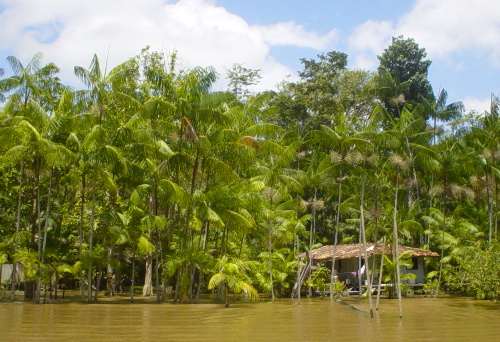




Geography and natural environment
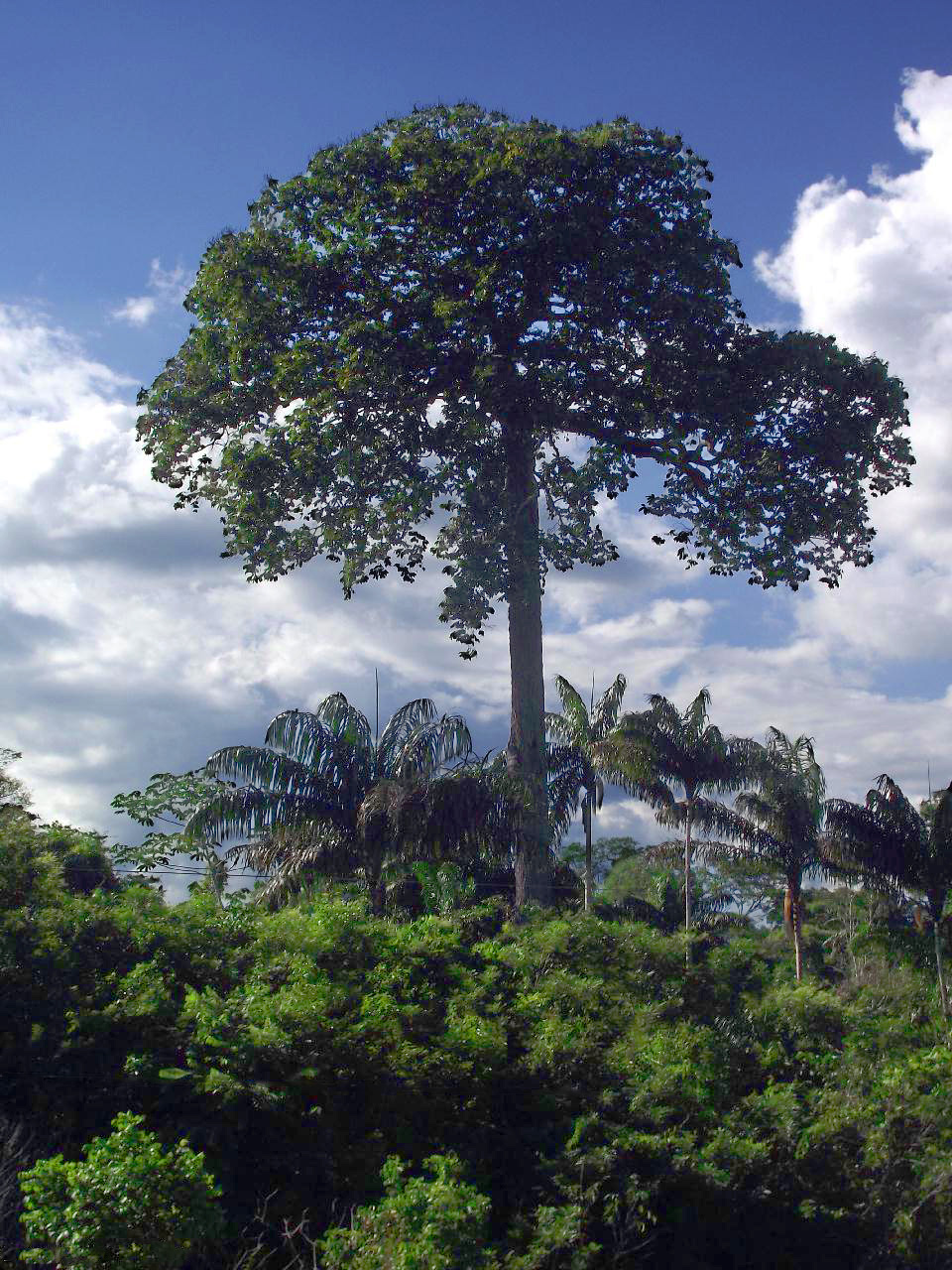
Pará features parts of the Amazon River and many major tributaries such as the Xingu, Tapajós, Tocantins and Trombetas. The state contains Marajó, one of the world's largest river islands, and a complex delta where freshwater meets the Atlantic. Landscapes include terra firme forest, várzea and igapó floodplains, savanna-like areas in the south, and significant mineral-bearing highlands.
History and development
Indigenous groups have lived in the region for millennia. European colonization expanded from the 17th century, and the territory evolved through colonial and imperial periods into the modern state. In the 20th century large-scale mining, hydroelectric projects and road construction accelerated settlement and economic change, often bringing social and environmental controversies.
Economy and infrastructure
The economy mixes extraction industries, agriculture and services. Pará is known for major mineral deposits and mining operations in the Carajás region, and for significant hydroelectric plants such as Tucuruí and Belo Monte on large rivers. River transport, ports in Belém and other cities, forestry, fishing and regional agriculture also contribute to the state's economy.
Society, culture and conservation
The population includes indigenous peoples, long-established riverine (caboclo) communities and migrants from other Brazilian regions. Cultural highlights include Amazonian cuisine (notably açaí and manioc-based dishes) and popular religious celebrations such as the Círio de Nazaré in Belém. Conservation is a major concern: Pará contains protected reserves, national forests and indigenous territories, and it has been a focal point in debates over deforestation, land rights and sustainable development.
Major cities and notable facts
- Belém (state capital and main river port)
- Santarém (confluence of Tapajós and Amazon)
- Marabá (regional commercial center)
- Ananindeua, Altamira, Parauapebas, Breves
Pará is one of Brazil's largest states by area, with a mix of global ecological importance and locally significant economic resources. Its landscapes and waterways remain central to discussions about Amazon conservation, indigenous rights and sustainable development.
Related articles
Author
AlegsaOnline.com Pará (Brazilian state) — geography, economy, culture, and environment Leandro Alegsa
URL: https://en.alegsaonline.com/art/74477
Sources
- ibge.gov.br : ibge.gov.br/