
Mare Nostrum — the Latin name for the Mediterranean Sea
Mare Nostrum is a Latin expression used by the Romans for the Mediterranean Sea and later revived by Italian nationalists; it denotes historical, strategic and cultural claims about the sea.
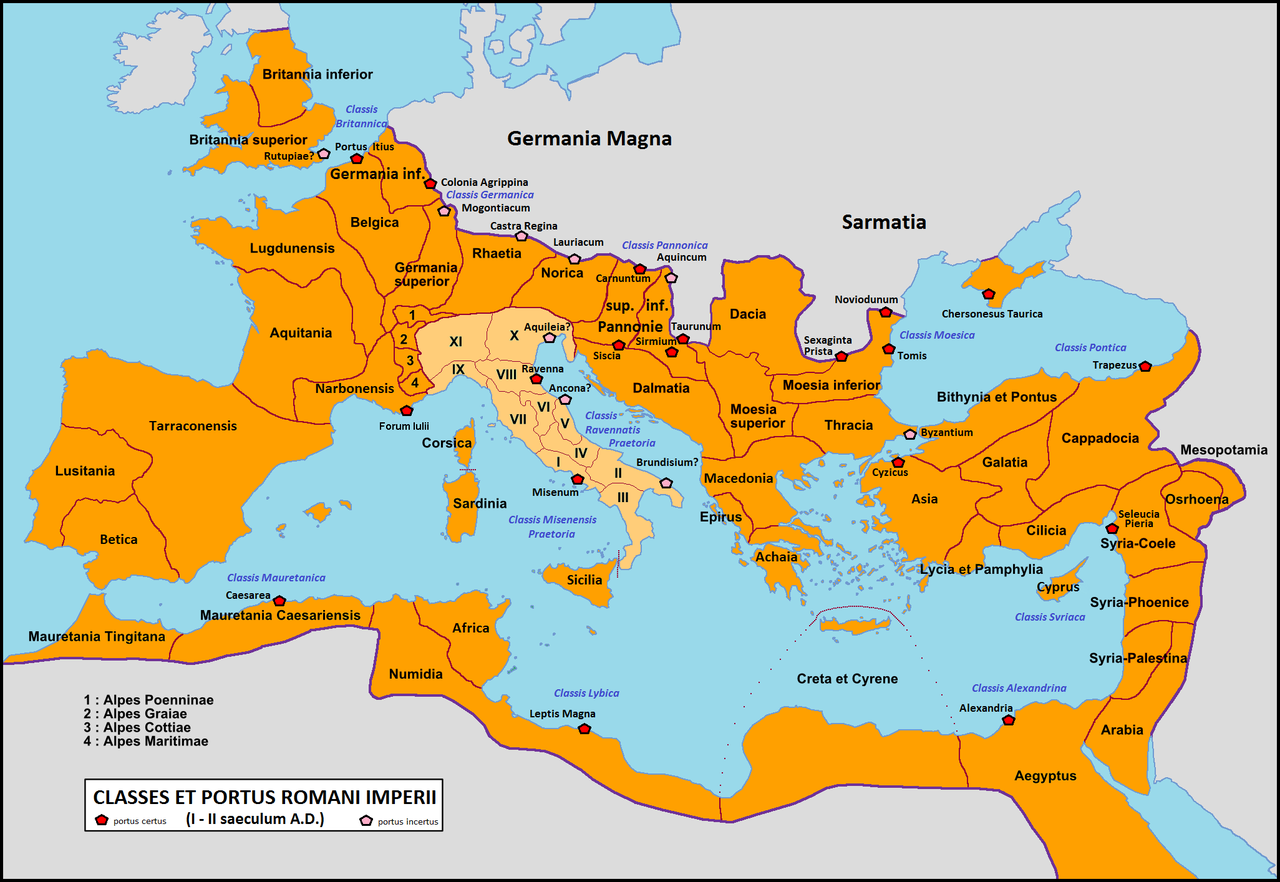
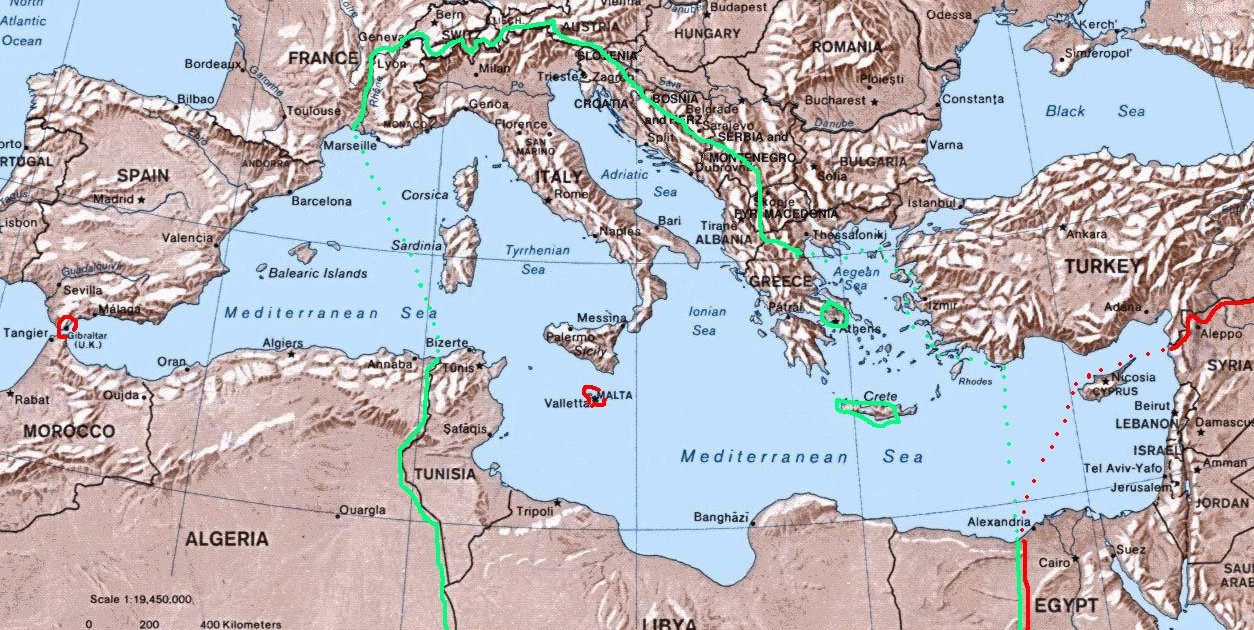
Mare Nostrum is a Latin phrase often translated as "Our Sea" and historically applied to the Mediterranean Sea. In classical antiquity the expression reflected how Romans conceived of the central sea basin that linked Europe, North Africa and the Near East. The phrase appears in later historical and political discourse as a short, evocative label for maritime dominance, identity or heritage. See the original wording in Latin through the phrase Mare Nostrum and references to it as a Roman name.
Image gallery
6 Images



History
During the Roman Republic and Empire the Mediterranean functioned as a communication and supply network that supported administration, trade and military movement. Roman writers and imperial rhetoric described the sea as effectively internal to Roman authority, an idea that was expressed in language and policy tied to the Roman Empire. Over centuries the sea continued to be a zone of overlapping empires, city-states and commercial powers.
In the modern era the label was revived. After the unification of Italy in 1861 and especially in the late 19th and early 20th centuries, some Italian nationalists used "Mare Nostrum" to evoke a connection to Roman heritage and to justify expansionist or strategic ambitions in the Mediterranean region. That usage mixed cultural symbolism with concrete naval and colonial policy.
Characteristics and importance
- Geography: a semi-enclosed sea linking three continents and numerous peninsulas and islands.
- Commerce and navigation: a historic corridor for trade routes, fisheries and maritime exchange.
- Military significance: control of sea lanes and key straits has long influenced regional power.
- Cultural crossroads: the basin has been a meeting place for languages, religions and ideas.
In contemporary discussion the term appears in diverse contexts: historical studies, naval history, political rhetoric and environmental debates. It can be used neutrally to describe the Mediterranean's centrality, or it can be invoked as a symbol of territorial claim or influence. Modern governance of the sea is based on international law, cooperation among coastal states and transnational institutions rather than exclusive ownership.
Notable distinctions: "Mare Nostrum" as a phrase is as much rhetorical as geographic. Scholars caution against reading it as a literal legal claim; instead it is studied as a reflection of identity, aspiration and the shifting politics of maritime space. For additional reading on the term's linguistic and political uses, consult modern histories and analyses that trace its transformation from a Roman idiom to a modern political slogan.
Related references and further resources: Latin phrasing, ancient usage, Mediterranean context, Italian unification, nationalist movements, Roman imperial history.
Questions and answers
Q: What does Mare Nostrum mean?
A: Mare Nostrum means "Our Sea" in Latin.
Q: How was the term Mare Nostrum used in ancient Rome?
A: Mare Nostrum was a Roman name for the Mediterranean Sea.
Q: When was Italy unified?
A: Italy was unified in 1861.
Q: How did Italian nationalists use the term Mare Nostrum?
A: Italian nationalists used the term Mare Nostrum to express their belief that Italy should follow on from the Roman Empire.
Q: What did Italian nationalists believe about Italy's connection to the Roman Empire?
A: Italian nationalists believed that Italy should continue the legacy of the Roman Empire.
Q: Why did Italian nationalists use the term Mare Nostrum?
A: Italian nationalists believed that Mare Nostrum represented Italy's historical and cultural connection to the Mediterranean region.
Q: How does the term Mare Nostrum reflect Italian nationalism?
A: The term Mare Nostrum reflects Italian nationalism by evoking a historical and cultural connection to the Mediterranean region, as well as Italy's imperial past.
Related articles
Author
AlegsaOnline.com Mare Nostrum — the Latin name for the Mediterranean Sea Leandro Alegsa
URL: https://en.alegsaonline.com/art/61701
Sources
- etymonline.com : Online Etymology Dictionary
- etymonline.com : Mediterranean
- lawprofessors.typepad.com : "International Law Prof Blog"
- eurasia-rivista.org : "L'OPERAZIONE MARE NOSTRUM - eurasia-rivista.org"