
Tocantins (state): geography, history, economy and culture
Tocantins is a centrally located Brazilian state created in 1988. A transition zone between Amazon and Cerrado biomes, it has a planned capital (Palmas), rivers, ranching, agriculture and growing ecotourism.
Overview
Tocantins is one of Brazil's newer federative units, located in the central-northern part of the country. Established by the 1988 federal constitution, the state was formed from the northern portion of Goiás. Its planned capital, Palmas, was laid out shortly afterward and officially begun in 1989 as a modern administrative center. Tocantins occupies a transitional zone where different landscapes, climates and economic activities meet.
Image gallery
9 Images



Geography and environment
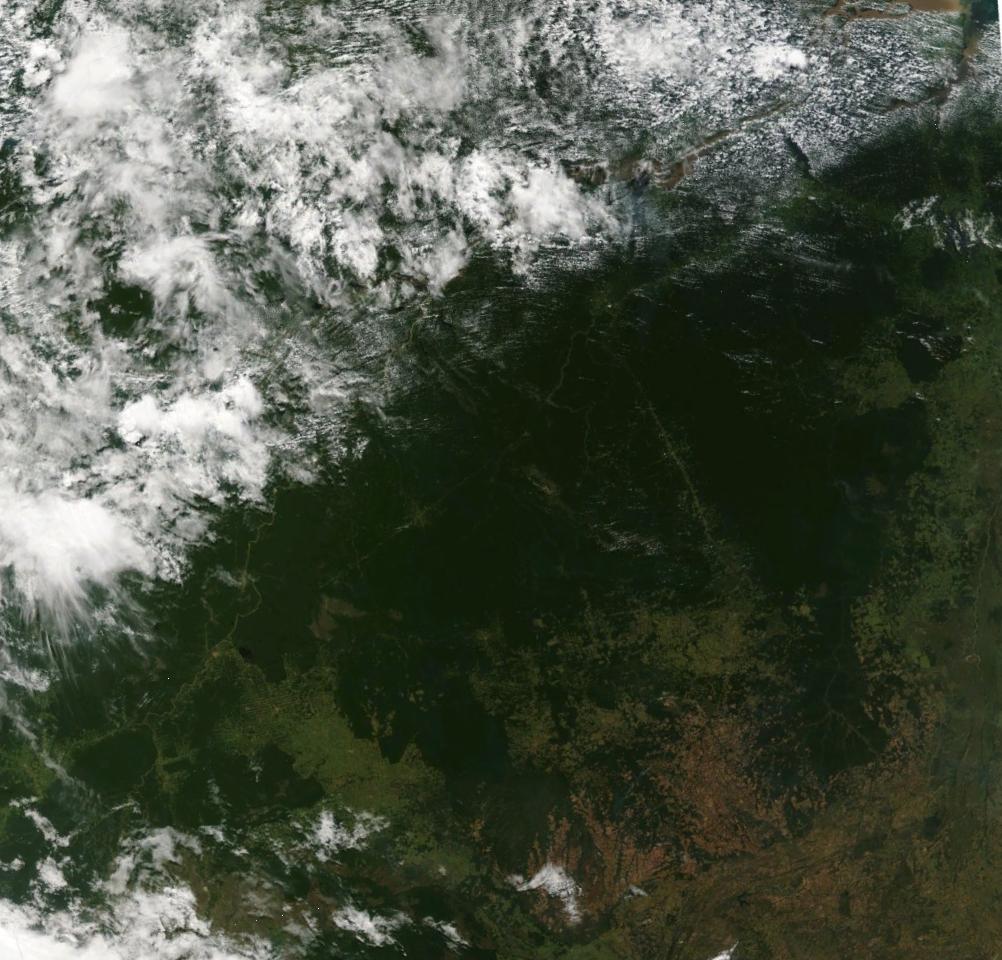
The state's territory sits between the Amazon biome to the north and the Brazilian savanna, known as the Cerrado, to the south. Major rivers such as the Tocantins River and the Araguaia shape the region, producing floodplains, gallery forests and extensive aquatic habitats. In the east, the Jalapão region has become notable for its sand dunes, clear springs and waterfalls, attracting nature tourism and adventure travel.
Characteristics and notable places
- Rivers and wetlands: river systems that support fisheries, transport and hydroelectric potential.
- Biomes: mosaic of Cerrado, gallery forest and seasonal floodplain vegetation.
- Palmas: a planned capital with a grid and avenues, built after state creation.
- Jalapão: ecotourism corridor with contrasting landscapes and natural pools.
History and development
The political movement to create a separate state culminated in the 1988 constitution, separating Tocantins from Goiás to improve local governance and stimulate development. The construction of Palmas as a purpose-built capital was intended to concentrate administrative functions and encourage settlement of the interior. Since then the state has seen infrastructure growth, road-building and expansion of agribusiness while balancing conservation goals.
Economy and uses
Tocantins' economy is anchored by cattle ranching and agriculture—common activities across the Cerrado—alongside forestry, small-scale industry and services centered in Palmas. The river network supports irrigation, transport and hydroelectric projects. Ecotourism, particularly in areas like Jalapão, has become increasingly important as visitors seek natural landscapes, rivers and waterfalls. The state plays a role in national food production and in opening Brazil's interior to economic activity.
Culture and distinctions
Local culture reflects a mix of indigenous heritage, frontier ranching traditions and newer urban influences from planned-city development. Annual festivals, riverine livelihoods and regional cuisine show the blending of Amazonian and Cerrado influences. For more institutional information and visitor guidance see official sources and regional websites such as state portals and geographic overviews at regional pages or general references like river basin studies and travel resources at municipal sites.
Related articles
Author
AlegsaOnline.com Tocantins (state): geography, history, economy and culture Leandro Alegsa
URL: https://en.alegsaonline.com/art/100222
Sources
- economia.uol.com.br : Siqueira Campos é empossado governador de Tocantins pela quarta vez
- ibge.gov.br : Censo 2010: população do Brasil é de 190.732.694 pessoas