
Slavery: definition, historical development, forms, and modern status
An overview of slavery: what it is, its historical prevalence, common forms and features, etymology and thinkers, abolition and present-day challenges under international law.
Overview
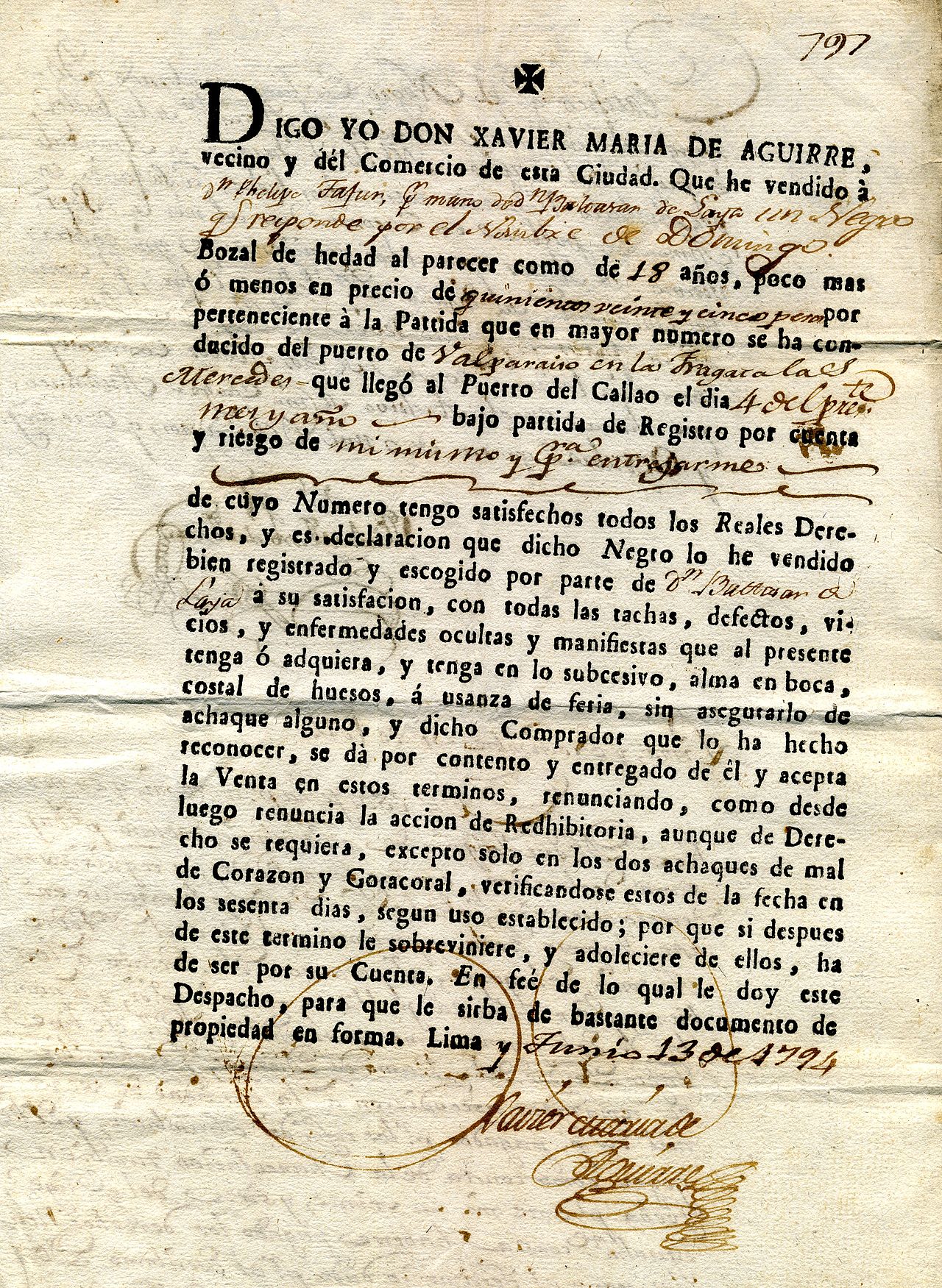
Slavery denotes a condition in which one person is treated as the property of another and is denied basic personal freedom. In such arrangements the enslaved person is typically compelled to work under threat of punishment and has limited or no legal rights. Whether sustained by custom, private practice or state systems, slavery has taken many institutional forms. In places where it was recognized by the state, the relationship could be enforced by law, but coercive domination also occurred outside formal legal frameworks.
Image gallery
10 Images




Forms and characteristic features
Slavery is not a single, uniform phenomenon. Key features include lack of autonomy, control over movement and labor, and the transferability of a person’s status. Common types and related practices include:
- Chattel slavery, where a person is treated as an item of trade and inheritance.
- Debt bondage and serfdom, where labor obligations tie a person to another.
- Forced labor, including state-imposed or privately enforced compulsory work.
- Human trafficking, where individuals are coerced or deceived into exploitative situations.
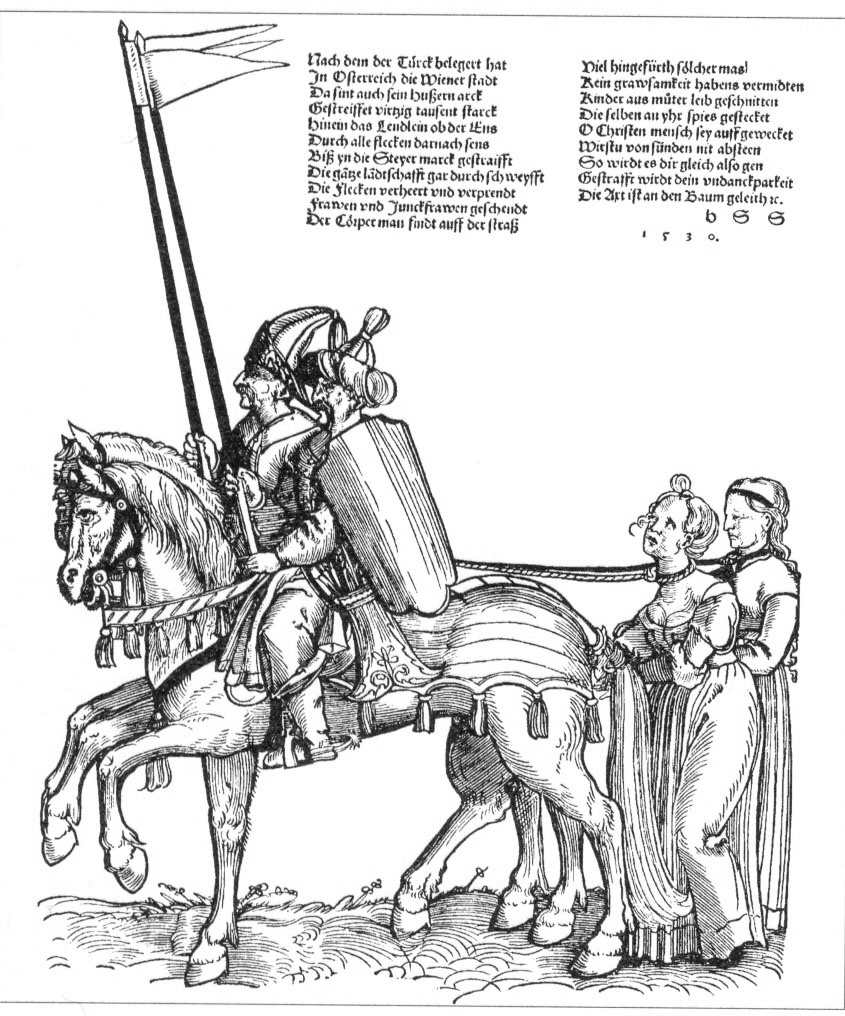
- Enslavement following capture in war; historically many enslaved people were taken as prisoners of war.
In many systems slavery was integrated with the broader economy, shaping production, social hierarchy and family life.
History, distribution and terminology
Archaeological and historical research indicates that forms of unfree labor existed long before the widespread use of written records: some scholars point to archaeological evidence predating the advent of writing. Slavery has appeared in diverse societies across multiple continents and among many cultural groups; it is documented in ancient Near Eastern states, in Ancient Greece and Ancient Rome, and in later empires and kingdoms. Different traditions used different legal categories and moral justifications, and local practices varied widely across cultures.
The English word "slave" derives from medieval references to the Slavic peoples of Central and Eastern Europe, who were frequently captured in raids and wars in earlier centuries. Influential thinkers such as Adam Smith and Auguste Comte discussed enslavement in terms of captivity and social order, reflecting how definitions evolved with political and economic thought.
Abolition, law and contemporary issues
From the late 18th century onward, a growing abolitionist movement in some societies challenged the moral and legal foundations of slavery. By the 20th century most states adopted laws banning ownership of people, and international instruments such as the Universal Declaration of Human Rights articulated universal prohibitions. Today slavery is proscribed under various bodies of international law, yet exploitative practices persist in many places. Contemporary forms of slavery often operate clandestinely and overlap with organized crime, migratory vulnerability and economic inequality.
Efforts to address modern slavery combine legal enforcement, victim protection, economic measures and public education. Because terminology and measurement can differ, assessments of prevalence are complex; nevertheless, scholars, governments and civil society continue to document abuses and promote remedies through legislation, international cooperation and local support programs.
Notable distinctions and continuing relevance
Distinguishing between historical systems of slavery and present-day forms is important for understanding causes and remedies. Some historical forms were embedded in legal codes and social structures, while many modern abuses are illegal but persist through coercion, debt, fraud or violence. Studying both continuities and changes helps explain how slavery shaped social hierarchies, labor systems and international relations, and why eliminating contemporary slavery remains a major human rights priority.
Questions and answers
Q: What is slavery?
A: Slavery is when a person is treated as the property of another person and forced to work, or else they will be punished by the law or their master.
Q: How long has slavery been around?
A: There is evidence that even before there was writing, there was slavery. Different types of slavery have been in almost all cultures and continents throughout history.
Q: What did Ancient Greece and Rome have?
A: Ancient Greece and Ancient Rome had many slaves.
Q: When were laws made to forbid slavery?
A: During the 20th century almost all countries made laws forbidding slavery. The Universal Declaration of Human Rights also says that it is wrong. Slavery is now banned by international law.
Q: Where does the word "slave" come from?
A: The English word "slave" comes from the medieval word for the Slavic peoples of Central Europe and Eastern Europe, because these were the last ethnic group to be captured and enslaved in Central Europe.
Q: How were slaves acquired?
A: Slave-holders used to buy slaves at slave auctions.
Q: What rights do slaves usually not have?
A: In many cases, slaves are not allowed any rights.
Tags
Related articles
Author
AlegsaOnline.com Slavery: definition, historical development, forms, and modern status Leandro Alegsa
URL: https://en.alegsaonline.com/art/91058
Sources
- britannica.com : Historical survey > Slave-owning societies
- ohchr.org : "Slavery Convention"
- news.bbc.co.uk : BBC Millions 'forced into slavery'
- etymonline.com : "slave"
- merriam-webster.com : "Merriam-Webster's"
- unesdoc.unesco.org : "Struggles against slavery"
- historyworld.net : "History of Slavery"
- wsu.edu : "Mesopotamia: The Code of Hammurabi" · web.archive.org
- touregypt.net : "Slaves and Slavery in Ancient Egypt"
- atlantablackstar.com : "10 Facts About The Arab Enslavement Of Black People Not Taught In Schools"
- mondediplo.com : "The impact of the slave trade on Africa"
- ldhi.library.cofc.edu : "African Laborers for a New Empire: Iberia, Slavery, and the Atlantic World"
- mertsahinoglu.com : Indentured Servitude in Colonial America