
Loyalists in the American Revolution
People in the Thirteen Colonies who remained loyal to the British crown during the American Revolution, their origins, wartime experiences, postwar fate, and historical significance.
Overview
The term "Loyalist" refers to colonists in the Thirteen Colonies who, during the American Revolutionary War, maintained political allegiance to the British crown and the British government rather than supporting independence. Loyalists are also commonly called "Tories." They opposed revolutionary bodies such as the Continental Congress and often rejected the authority of the Continental Army. Motivations varied: belief in legal continuity, fear of disorder, economic ties to Britain, religious loyalties, or the hope that remaining loyal would protect property and personal safety.
Image gallery
10 Images



Who the Loyalists Were
Loyalists came from many social and economic backgrounds. A large portion were small farmers, artisans and shopkeepers who preferred the stability of imperial rule. Several groups were disproportionately Loyalist: government officials and other crown employees, many wealthy merchants whose trade depended on Britain, and clergy of the Anglican Church, particularly in areas with strong Puritan or dissenting traditions. The Loyalist category also included some enslaved and free Black people who were offered freedom by the British in return for service, Native Americans who allied with or sought protection from the British, indentured servants, and immigrants — for example, German settlers who felt ties to the royal House of Hanover.
Regional Patterns and Organization
Support for the crown was not uniform across the colonies. Urban centers and coastal provinces with commercial links to London tended to have stronger Loyalist presences, while revolutionary sentiment ran high in much of New England. In New York, for instance, a significant portion of the population remained pro-British during the war. In the southern colonies the split could be geographic: backcountry farmers sometimes supported the crown while Tidewater planters backed independence. A minority of Loyalists took up arms in organized units or local militias that fought alongside British regiments, while others offered logistical support, intelligence, or passive cooperation. Many Loyalists tried to continue ordinary life and did not actively fight, but still faced suspicion from revolutionary neighbors.
Wartime Experiences
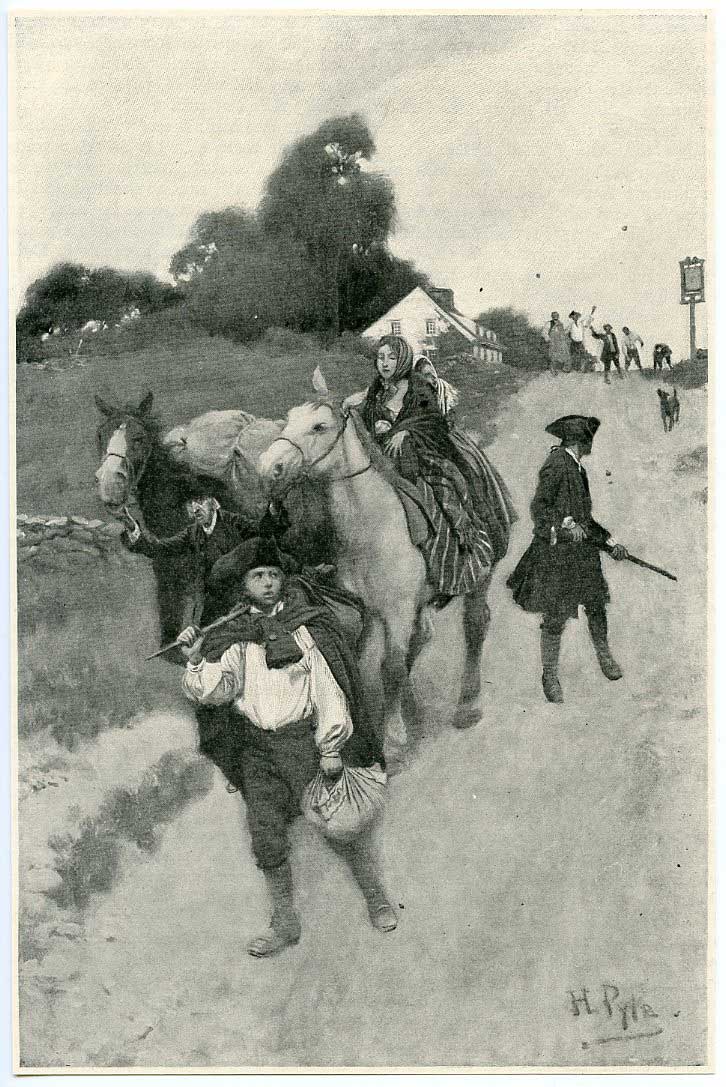
The experience of Loyalists during the conflict ranged from toleration to persecution. Some communities expelled prominent Loyalists, confiscated their property, or used laws and extra-legal measures to punish them. Accusations of oppression and coercion were mutual: revolutionaries charged Loyalists with aiding the enemy, while Loyalists complained of mob violence, legal discrimination and loss of civil rights. Detention, forced exile from towns, and summary punishments occurred in many places. Conversely, where the British held territory, Loyalists were often recruited into provincial regiments, ranger companies, and support services. Estimates suggest several tens of thousands actively supported British military efforts in varying roles, although most colonists never bore arms.
Aftermath and Migration
At war’s end a large number of Loyalists left the new United States. Some sought asylum within territories that remained under British control, most notably Canada, where refugee settlements altered demographic patterns and helped establish new towns. A minority emigrated to Britain, the Caribbean, or other parts of the empire. Many Black Loyalists in particular left to avoid re-enslavement; British promises of freedom had been conditional and uncertain in the war’s wake. Notable Loyalists who departed included public figures and cultural figures; some communities, such as those near Brantford, Ontario, also formed with the arrival of displaced Native allies, including members of the Iroquois nations. Other Loyalists remained but often lost property through confiscation, lost eligibility for public office, or lived with a tarnished reputation in the new United States.
Legal Settlements and Legacy
The 1783 peace settlement and subsequent diplomatic pressure asked the new government to address Loyalist losses; the Continental Congress and state legislatures were urged to honor restitution provisions, and some claimants received compensation or partial settlements. In practice, enforcement varied widely: in some states former estates were returned or heirs paid, while in others confiscations became a lasting redistribution of land that reshaped local societies. The Loyalist diaspora had lasting effects on British North America, accelerating settlement, influencing local politics and law, and shaping relations with Indigenous peoples. In American memory the Loyalists were often marginalized in early national histories, but modern scholarship treats them as an important social and political minority whose choices illuminate the contested nature of revolution and nation-building.
Notable Distinctions and Further Reading
- Not all Loyalists were uniform in belief; motivations ranged from principle to pragmatism.
- The fate of Black and Indigenous Loyalists highlights how promises of freedom and protection were unevenly fulfilled.
- Regional outcomes varied: in some places Loyalist property led to significant land redistribution, while in others restitution was made.
For those seeking primary sources and detailed studies, consult collections of Loyalist petitions and contemporary accounts, provincial muster rolls, and regional histories that examine how allegiance to the crown intersected with class, religion and ethnicity during the revolutionary era. Many modern treatments reassess Loyalists not simply as opponents of liberty but as actors caught between competing ideas of order, rights and empire.
Related articles
Author
AlegsaOnline.com Loyalists in the American Revolution Leandro Alegsa
URL: https://en.alegsaonline.com/art/59621