
Lynton and Barnstaple Railway
Historic narrow‑gauge railway across Exmoor in North Devon, opened 1898 and closed 1935; revived by volunteers from 1979 with a restored section at Woody Bay and ongoing extension plans.
Overview
The Lynton and Barnstaple Railway (L&B) is a celebrated historic narrow‑gauge line in North Devon, England, which originally connected Barnstaple with Lynton and Lynmouth across the hills of Exmoor. Built to the unusual British narrow gauge of 1 ft 11 1/2 in (597 mm), the single‑track route ran for just over 19 miles (about 30 km) through steep and sparsely populated countryside. The original line opened in May 1898 and, after fluctuating fortunes, closed in September 1935. From 1979 a volunteer‑led preservation movement began work to recover parts of the trackbed, recreate rolling stock and reopen sections for visitors.
Image gallery
10 Images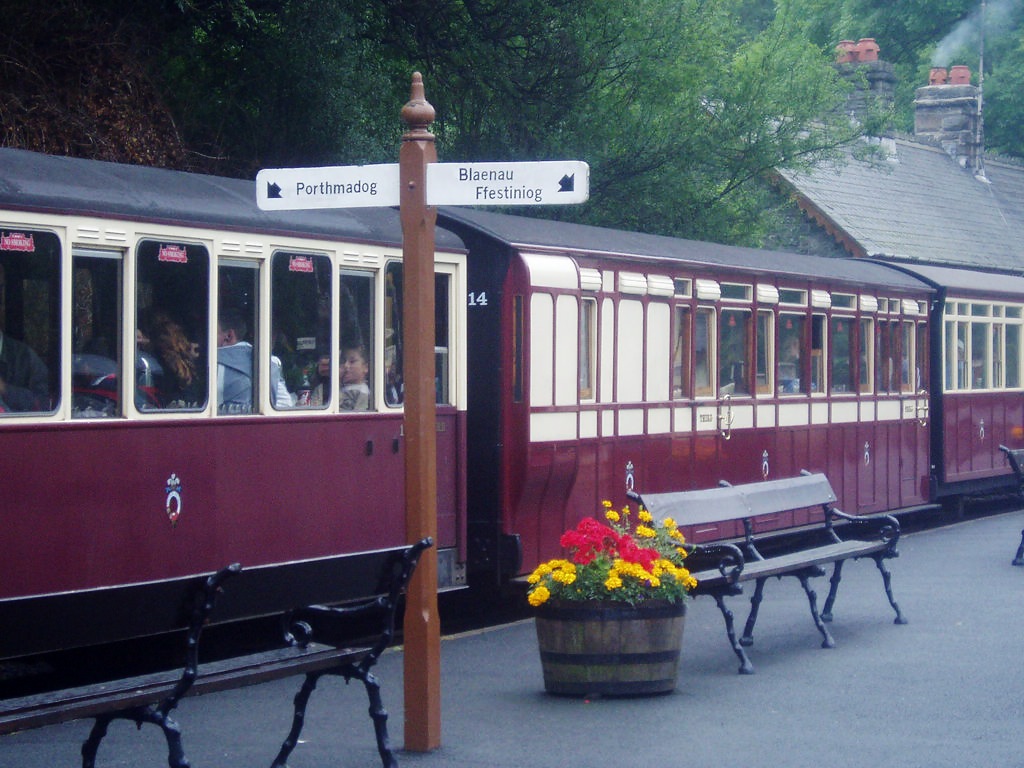



Route and engineering
The route was designed to meet the challenges of upland terrain: tight curves, steep gradients and varied geology. Narrow gauge was chosen to allow sharper curvature and lighter earthworks than a standard‑gauge route would have required. Stations and halts were often small and simple, sited to serve scattered farming communities and holiday visitors to the Exmoor coast. The railway became noted for its scenic views and for the engineering adaptations needed to run a passenger railway through rugged moorland.
Operations and traffic
During its working life the L&B carried both local passengers and goods, including agricultural produce and supplies for remote communities. Trains were typically short and worked to a leisurely timetable reflecting both the line's rural character and the constraints of single‑track operation. For a few seasons the railway made a modest profit, but for most of its existence revenues were insufficient to cover operating costs, a common situation for light rural lines in the early 20th century.
Decline and closure
Like many branch lines, the L&B faced mounting competition from road transport in the interwar period. Traffic declined and maintenance costs rose, and in 1923 the line was taken into the ownership of the Southern Railway as part of broader reorganisation of Britain's railways. The combined pressures of competition, rising costs and changing travel patterns led to the decision to close the line; regular services ended in 1935 and most track and fittings were subsequently removed.
Preservation and revival
Interest in the L&B's history and the survival of many of its earthworks and station sites encouraged enthusiasts to form preservation groups. The Lynton & Barnstaple Railway Association was established in 1979 and later charitable and volunteer organisations expanded the project. Volunteers have surveyed the original alignment, repaired bridges and embankments, rebuilt stations and workshops, and constructed period‑style carriages and replica locomotives where originals were lost.
Reopening and present-day operations
A short section of line at Woody Bay was reopened to the public in 2004 and extended in the following years. The restored section operates as a heritage railway offering steam and historic diesel services, demonstration events and seasonal timetables that attract visitors to Exmoor. Work is run largely by volunteers; it includes track maintenance, workshop restoration, visitor services and interpretation of the railway's history. The project also supports education about rural transport history and industrial heritage.
Future plans and ambitions
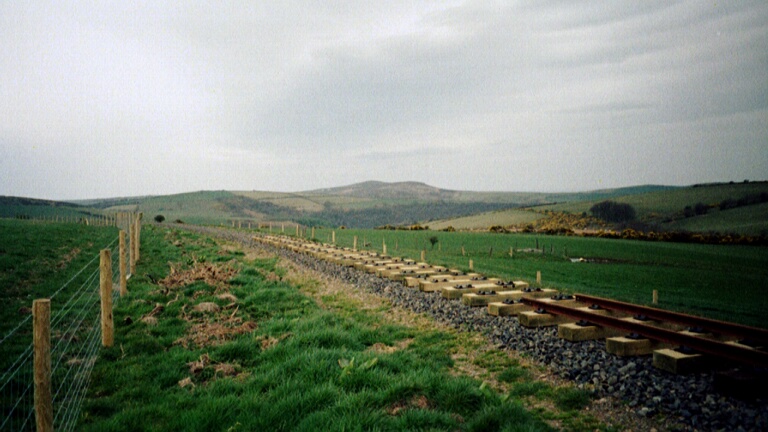
Volunteers and trustees have long‑term ambitions to extend the operational line further along the original alignment, reconnecting sections towards Lynton and Blackmoor Gate and creating interpretive facilities and visitor amenities. Plans have at times proposed linking to new or reinstated stations and providing access to heritage displays and local trails near Wistlandpound Reservoir. Progress depends on funding, landownership issues and careful conservation of the landscape.
Legacy and significance
The Lynton and Barnstaple Railway is important both as an example of a late‑Victorian light railway and as a modern community‑led preservation success. Its revival illustrates the role of volunteers in protecting and interpreting industrial archaeology, while the remaining and restored sections provide a tangible link to the social and economic history of rural North Devon. The line remains a popular attraction for railway enthusiasts, local visitors and those exploring Exmoor.
Visiting and further information
Those seeking practical visitor information, event dates, or volunteer opportunities should consult the official heritage organisation and regional tourism resources. Official and community pages provide timetables, visitor facilities and details about volunteering: official L&B organisation, local tourism and visitor guides: Devon tourism resources, and background on the landscape and conservation: Exmoor National Park information. Technical and historical research can be pursued via specialist narrow‑gauge resources: narrow‑gauge reference groups, and preservation networks and archives: heritage and archive links.
- Gauge: 1 ft 11 1/2 in (597 mm).
- Original length: just over 19 miles (about 30 km) between Barnstaple and Lynton.
- Operating era: opened May 1898, closed September 1935; preservation activity began in 1979.
Questions and answers
Q: When did the original Lynton & Barnstaple Railway open?
A: The original Lynton & Barnstaple Railway opened in May 1898.
Q: How long was the railway?
A: The railway was just over 19 miles (30 km) long.
Q: What type of track did it use?
A: The Lynton & Barnstaple Railway used a single track narrow gauge railway.
Q: Where was the line located?
A: The line ran through rugged rural countryside in Exmoor National Park.
Q: Who took over the L&B in 1923?
A: In 1923, the L&B was taken over by the Southern Railway.
Q: When did it finally close down? A: It closed down in September 1935.
Q: When did a short section of the line reopen again? A: A short section of the line reopened again in 2004.
Related articles
Author
AlegsaOnline.com Lynton and Barnstaple Railway Leandro Alegsa
URL: https://en.alegsaonline.com/art/60128