
Oppression: causes, forms, history, and responses
Oppression is the systematic exercise of power that harms or limits people. This article explains what oppression is, how it operates, its causes, historical patterns, effects, and common responses.
Overview
Oppression refers to systemic or repeated use of power by individuals, groups, institutions, or states to disadvantage, control, or harm people. It can describe acts, policies or long-term social arrangements, and also the lived experience of those affected. For basic definitions and clarifications see definition and related commentary at explanatory resources.
Image gallery
4 Images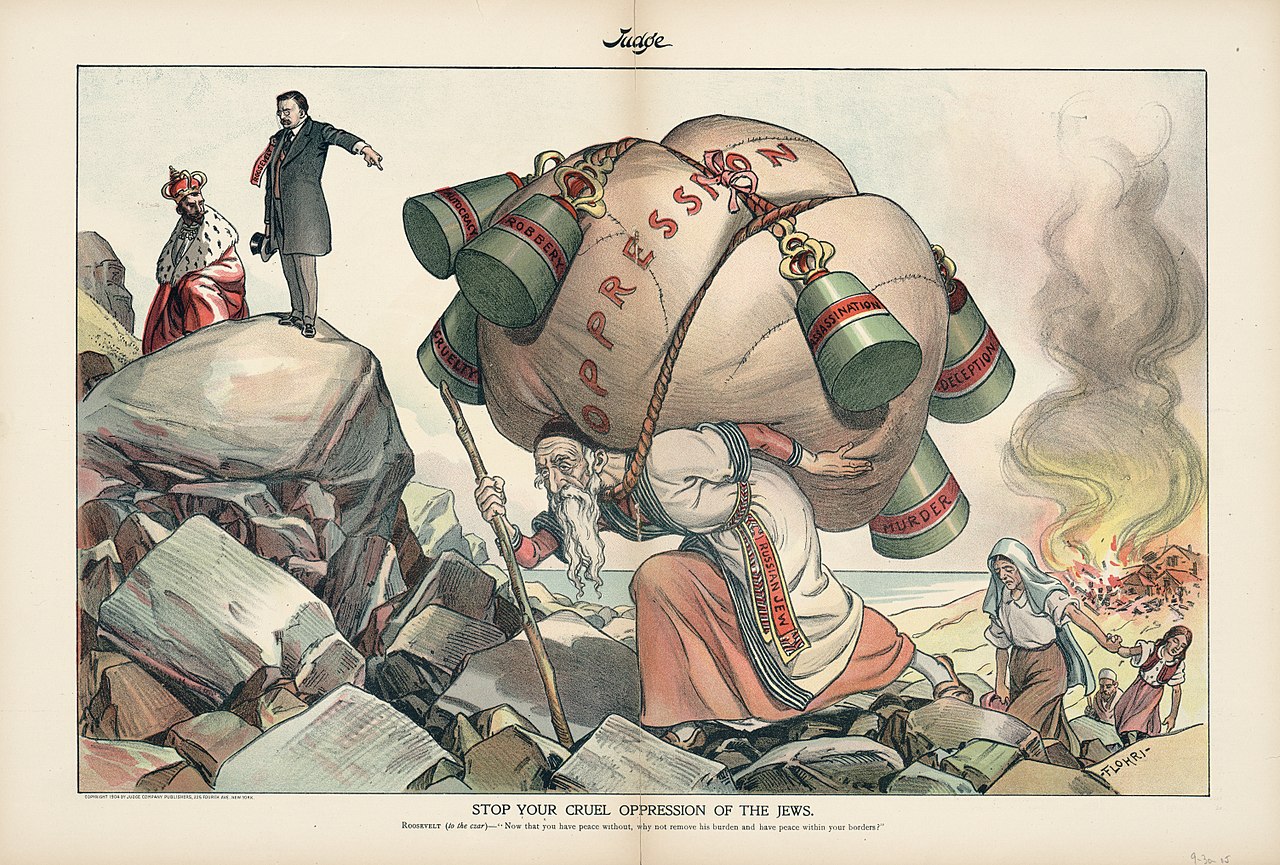


Forms and mechanisms
Oppression can take many forms. Common mechanisms include legal restrictions, economic exclusion, cultural marginalization, and physical coercion. Examples include discrimination based on race or ethnicity, gender inequality, religious persecution and other prejudices. Specific practices and institutions that can enforce oppression include courts, policing, administrative rules and employment systems; critics sometimes argue that these institutions can be oppressive in how they are organized and used, see state power critiques.
- Legal and political: laws or policies that deny rights or participation.
- Economic: unequal access to jobs, credit or land.
- Social and cultural: stereotypes, segregation, and exclusion from public life.
- Violent: targeted repression, police brutality or paramilitary actions.
Causes and examples
Oppression often arises where power is concentrated and accountability is weak. Prejudice such as racism or sexism can be a root cause when it becomes embedded in institutions or law; see general discussions of racism and sexism for context. Discriminatory policies are reinforced when laws or official practices reflect bias, as explained in analyses of discrimination and prejudice. Concentrated authority without safeguards can provoke resistance, including uprisings or civil disobedience; historical responses include rebellions and reform movements documented in various sources such as accounts of rebellions.
History, critique and resistance
Across history, oppressed groups have organised to resist exclusion and demand change. Movements for abolition, women's suffrage, civil rights and decolonization illustrate different strategies: legal challenges, mass protest, nonviolent resistance and, at times, armed struggle. Some political philosophies, such as certain strains of anarchism, hold that hierarchical institutions are inherently oppressive and advocate eliminating or radically transforming them; see anarchist critiques and perspectives on policing police.
Consequences and legal frameworks
Oppression affects health, economic opportunity, social cohesion and trust in institutions. International human rights instruments and domestic laws aim to prevent and remedy abusive power; for example, major declarations and human-rights frameworks address oppression and protections, see international human rights and discussions of the idea of human rights. Practical responses include legal reform, education, economic redistribution and institutional oversight. Sources that analyse how laws can create or prevent oppression include discussions of legislation and policy analysis and practical guides for advocacy gender and race.
Understanding oppression requires attention to power, history and context. Combating it generally involves both changing formal rules and transforming everyday practices and beliefs so that equality and dignity are better protected.
Questions and answers
Q: What is oppression?
A: Oppression is when a person or group of people who have power use it in a way that is not fair, unjust or cruel.
Q: What can cause oppression?
A: Racism, sexism and other discrimination and prejudices can cause oppression, especially if laws are made based on them.
Q: How do oppressive governments affect society?
A: Oppressive governments can lead to a rebellion.
Q: What is the view of anarchists on governments and laws?
A: Anarchists say that all government, police and laws are oppressive. This is because they stop people from doing whatever they want to.
Q: What is the purpose of the Universal Declaration of Human Rights?
A: The Universal Declaration of Human Rights, and the idea of human rights in general, is meant to stop oppression.
Q: Can oppression also refer to a feeling?
A: Yes, oppression can also describe the feeling of people who are oppressed.
Q: What is the definition of oppression in simple terms?
A: Oppression is when someone in a position of power is cruel, unfair, or unjust to someone who has less power.
Related articles
Author
AlegsaOnline.com Oppression: causes, forms, history, and responses Leandro Alegsa
URL: https://en.alegsaonline.com/art/72870