
Magan — an ancient Bronze Age trading polity of the Arabian coast
Magan (also Makkan) is an ancient seafaring region known from Mesopotamian texts as a supplier of copper and diorite. Its identity is linked to the Arabian Gulf coast and Oman in the Bronze Age.
Magan (also written Makkan) is the name used in ancient Mesopotamian records for a maritime region and trading partner of Sumer and Akkad. It appears in early cuneiform sources and later royal inscriptions as a source of valuable raw materials and as an origin of sea-borne merchants and crews. The name is best known from Sumerian cuneiform and later Akkadian texts that describe contacts across the Persian Gulf.
Image gallery
4 Images

Geography and identity
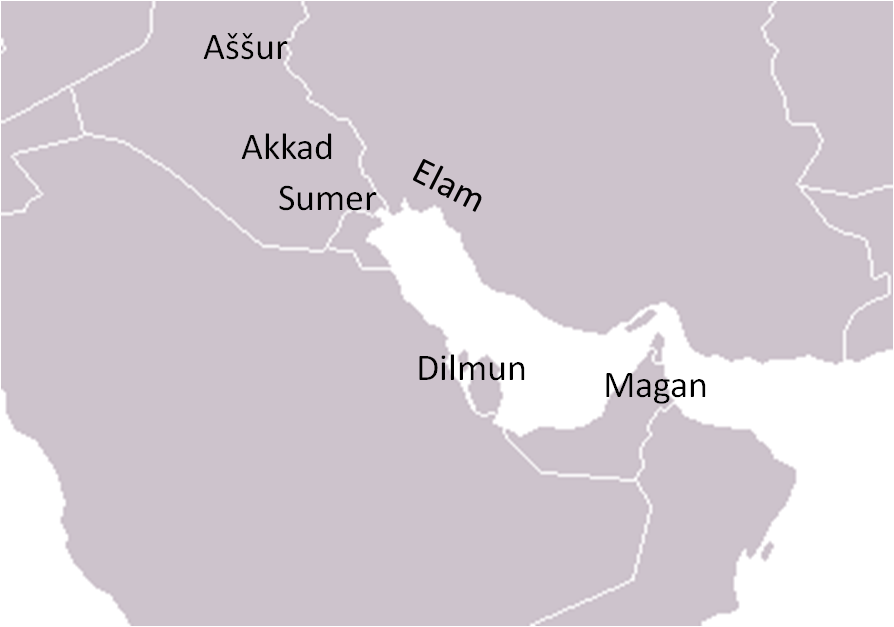
Scholars generally place Magan on the southeastern shore of the Arabian Gulf. Archaeological and geological evidence has led many researchers to associate Magan with parts of modern Oman and the nearby United Arab Emirates, particularly regions with Bronze Age coastal settlements and copper-bearing geology. The exact territorial extent and political organization remain uncertain; ancient references may refer to a coastal region, a confederation of ports, or an ethnonym used by Mesopotamians.
Resources and economy
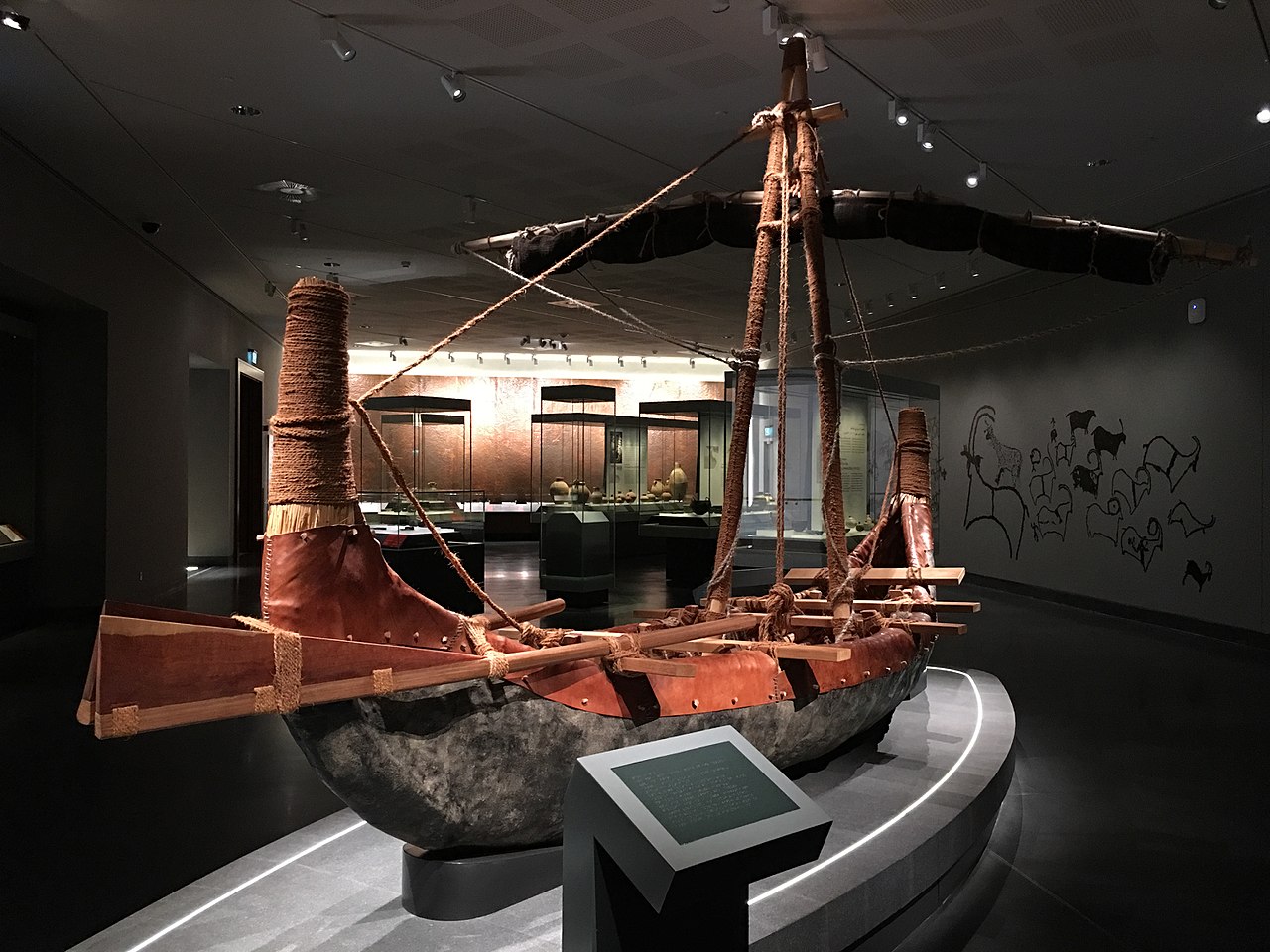
Mesopotamian accounts highlight Magan as a supplier of metal and hard stone. Copper was the most important export, together with diorite and other stone used for sculpture and inscriptions. Texts and material finds indicate regular shipping of these goods to Mesopotamian cities, where they fed the demands of Bronze Age metallurgy and monumental carving. Archaeologists link these records to prehistoric copper production and smelting sites in the Hajar Mountains and coastal areas.
Archaeology and evidence
Evidence for Magan's role in long-distance exchange comes from archaeological remains such as traded pottery types, metal artifacts, and the presence of non-local stone objects in Mesopotamian tombs and temples. Excavations in the Arabian Peninsula have uncovered settlement layers, smelting sites, and harbor-related structures that match descriptions in texts. Finds of chlorite and diorite objects correspond to mentions of hard stone imports in Mesopotamian sources like those describing shipments to Mesopotamia and other centers.
History and contacts
References to Magan begin in third-millennium BCE sources associated with Sumer and Akkad and continue in later records. Royal inscriptions and administrative texts record sea voyages, tribute, and mercantile exchange involving Magan, alongside other named regions such as Dilmun and Meluhha. Some Mesopotamian chronicles and lists mention Magan-related trade as late as the early first millennium BCE, with continuity of material exchange into the first millennium and, by some accounts, as far as c. 550 BCE.
Importance and distinctions
Magan occupies an important place in studies of Bronze Age connectivity: it illustrates the maritime networks that linked the Arabian coast to Mesopotamia and beyond. Distinctive aspects include its specialized mineral resources, development of seafaring and port infrastructure, and its role as an intermediary in long-distance exchange. For further background on texts, archaeology, and regional comparisons see entries and sources at related research and comparative studies of trade with neighboring polities.
Related articles
Author
AlegsaOnline.com Magan — an ancient Bronze Age trading polity of the Arabian coast Leandro Alegsa
URL: https://en.alegsaonline.com/art/60555
Sources
- books.google.com : Boats of the World
- archaeology.org : "Digging in the Land of Magan"
- saudiaramcoworld.com : "Oman - The Lost Land"