
Somali Dervish Movement (1899–1920)
An overview of the Somali Dervish movement led by Sayyid Mohammed Abdullah Hassan: its origins in Salihiyya Sufism, anti-colonial campaign across Somaliland, tactics, defeat in 1920, and contested legacy.
Overview
The Somali Dervish movement (Somali: Halgankii Daraawiishta) was an anti-colonial and religiously inspired uprising that emerged in the northern Somali regions between about 1899 and 1920. It mobilized against the presence and influence of foreign powers and hostile neighbouring forces in the Horn of Africa, seeking to assert Somali Muslim autonomy within the territory often referred to as the Somaliland region. The movement combined religious revivalism, clan politics and military resistance over two decades.
Image gallery
10 Images




Leadership and beliefs
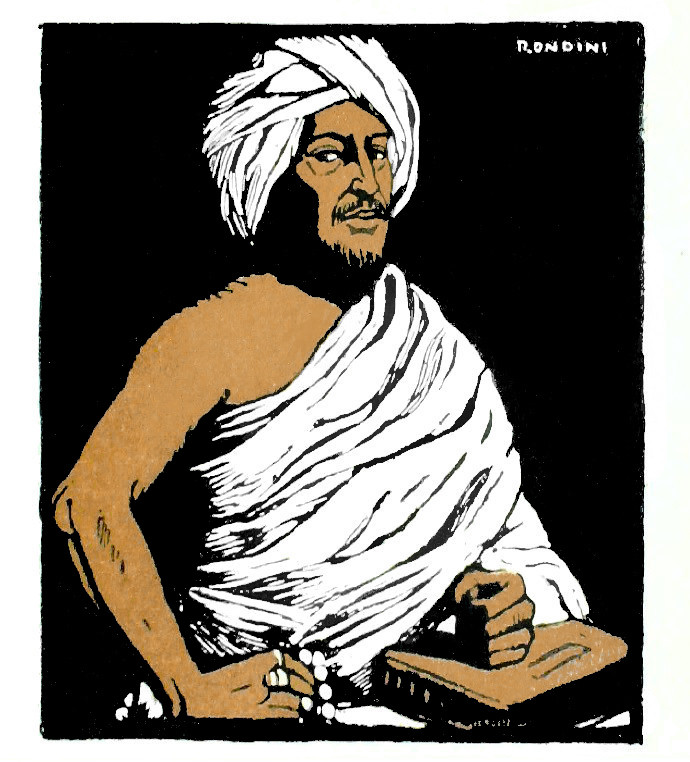
Its most prominent leader was the Salihiyya Sufi scholar and poet Mohammed Abdullah Hassan, commonly known in contemporaneous colonial sources as Sayyid Mohamed; he is often discussed under the biography linked here: Sayyid Mohammed Abdullah Hassan. Hassan drew on the Salihiyya reformist strain of Sufism to criticize both foreign domination and local religious practices he regarded as lax or compromising. Central demands included resistance to colonial rule, opposition to Christian missionary influence, and the idea of uniting Muslim Somalis under self-rule rather than foreign administration (Christianity and missionary activity were specifically opposed in this rhetoric).
Organization and characteristics
The movement was not a conventional state but a loose combination of religious centers, mobile warrior bands and fortified settlements. It attracted followers from several clans, though its social base and alliances shifted across time. Prominent features included:
- Religious leadership tied to the Salihiyya tariqa (Sufi order).
- A mix of poetic exhortation, sermons and declaration of jihad to inspire recruits.
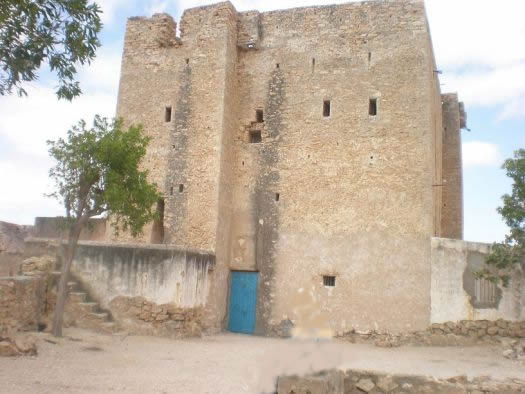
- Construction of fortified headquarters that served as administrative and military centers.
Campaigns, tactics and end
Over its existence the Dervish forces fought multiple engagements with British colonial forces, skirmishes and raids against Ethiopian (Abyssinian) troops and resisted Italian colonial aims in the south. They employed mobile cavalry, fortified encampments and hit-and-run tactics rather than formal set-piece battles. The movement’s last major phase ended when combined colonial expeditions, culminating in sustained aerial bombardment and ground operations in 1920, dispersed its forces and destroyed principal strongholds; clashes with neighbouring Ethiopian forces were also part of the broader regional conflict.
Legacy and interpretation
The Dervish movement occupies a complex place in Somali history. For many it symbolizes early modern anti-colonial resistance and national assertion; critics and some historians note its heavy-handed leadership style, disruptive clan warfare and the costs borne by civilians. Today the movement and its leader feature in Somali literature, memory and political debate as both heroic resistance and contested historical phenomenon.
Related articles
Author
AlegsaOnline.com Somali Dervish Movement (1899–1920) Leandro Alegsa
URL: https://en.alegsaonline.com/art/60241