
Church of England: history, beliefs, organization and public role
The Church of England is the established Christian church in England and the mother church of the Anglican Communion, combining Catholic and Reformed traditions with a national role and parish structure.
Overview
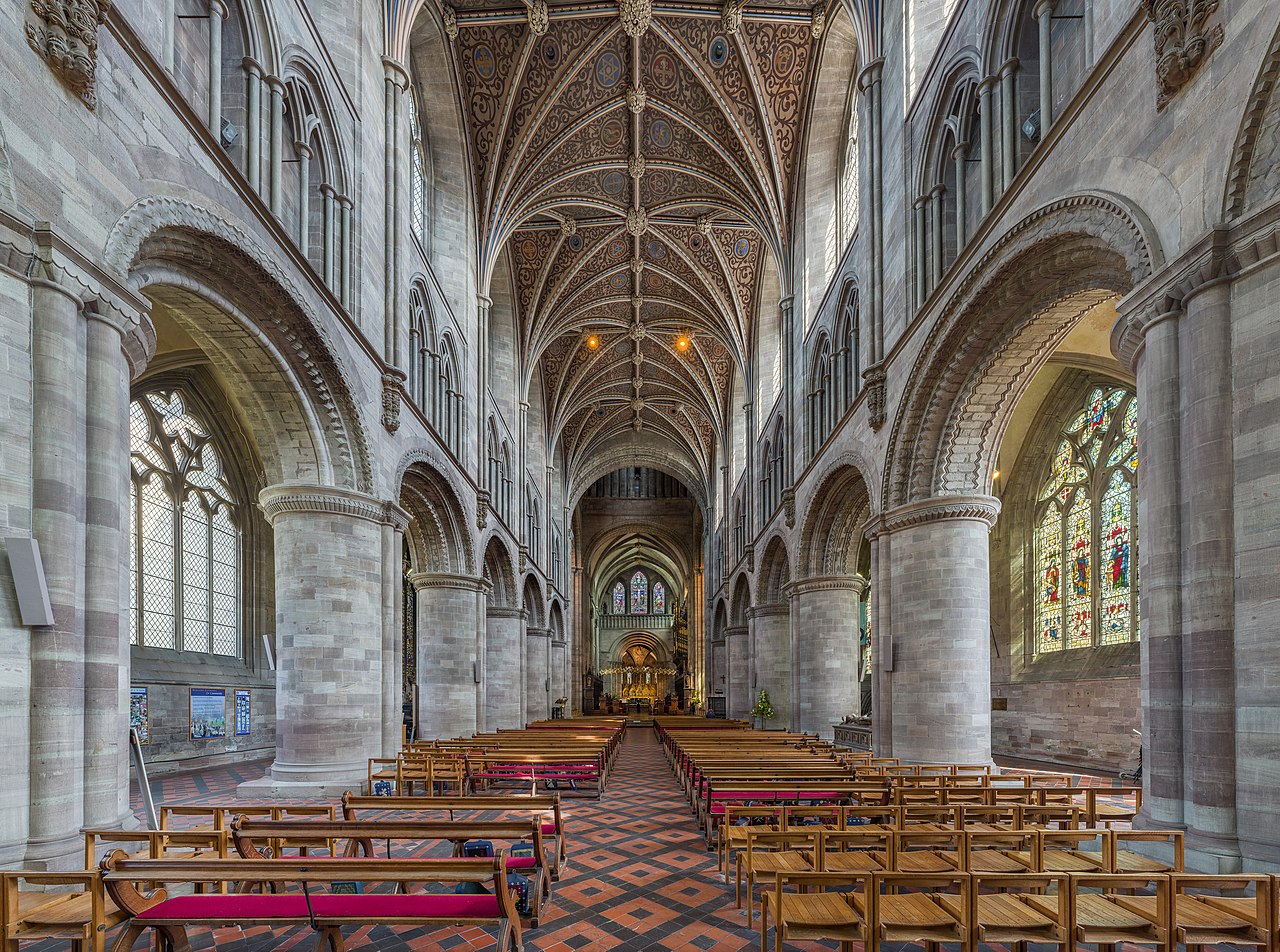
The Christian church known as the Church of England is the established church operating in England. By law it holds a constitutional role as the national church and its formal supreme governor is the English monarch, currently Charles III. It is also regarded as the mother church of the global Anglican Communion. National administration and many national meetings are based at its central offices; its principal headquarters are identified as Church House at Church House, Westminster in London.
Image gallery
10 Images




Identity and doctrine
The Church of England traditionally describes itself as both Catholic and Reformed. The description "Catholic" expresses continuity with the early, universal church and an emphasis on historic creeds and patristic teaching, reflected in reference to the Church Fathers and in formularies such as the Apostles' Creed, the Nicene Creed and the Athanasian Creed. The label "Reformed" indicates the influence of the 16th-century Protestant Reformation on doctrine and practice, notably expressed in the doctrinal standards such as the Thirty-Nine Articles and the liturgical tradition of the Book of Common Prayer.
Structure and governance
The Church of England is organised geographically into parishes, which belong to dioceses overseen by diocesan bishops. Senior leaders include the two archbishops — of Canterbury and of York — and the College of Bishops. Decision-making for doctrine, liturgy and national policy takes place in synodical bodies such as the General Synod, together with governing councils and committees. Local life is sustained by parish priests and lay officers who lead worship, pastoral care and community activities.
History and development
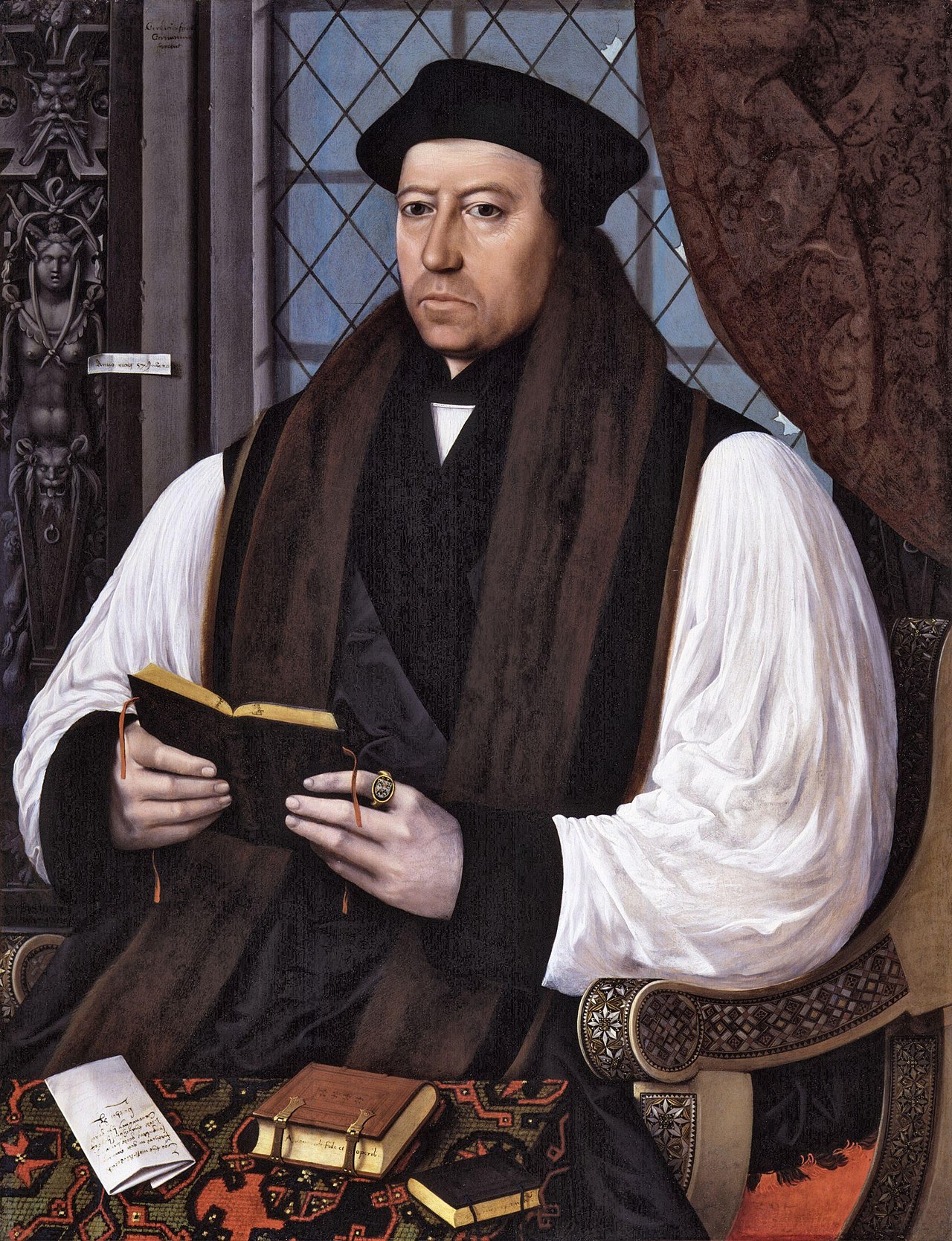
Its origins lie in the medieval Western Church in England; a decisive development came in the 16th century when political and theological forces produced a distinct English church at the time of Henry VIII and was consolidated in the Elizabethan settlement. Since then the Church of England has developed its own liturgies, legal framework and patterns of pastoral organisation while remaining both national and creedal in self-understanding. Over subsequent centuries the church has negotiated relations with the state, other denominations and missionary expansion that helped form the worldwide Anglican Communion.
Worship, practice and varieties
Worship in the Church of England ranges from traditional, sacrament-centred services using historic liturgy to more contemporary forms. The Book of Common Prayer remains influential alongside modern authorised services. The church observes two primary sacraments recognized by most Anglicans, maintains a liturgical year, and supports a variety of churchmanships often described as "High Church" (more ceremonial), "Broad Church" (centrist) and "Low Church" (evangelical).
Public role, distinctions and contemporary issues
As the established church it has unique civic duties: some bishops sit in the national legislature and it performs state and national ceremonies. Its established status distinguishes it from other Protestant and free churches in England, which are independent of the Crown and of episcopal governance. The church also engages in education, charity and social care. In recent decades internal discussion and wider public debate have addressed issues such as the ordination of women, pastoral responses to contemporary social changes and the church's place in a multifaith society.
For further official information, historical summaries and resources about doctrine and structure, consult relevant national and diocesan pages and authoritative reference works or institutional publications.
More on the Church | England and establishment | Legal establishment | Monarchy and church | Current sovereign | Anglican Communion | Headquarters | Church House | London | Catholic and Reformed | Patristic roots | Apostles' Creed | Nicene Creed | Athanasian Creed | Reformation | Thirty-Nine Articles | Book of Common Prayer
Questions and answers
Q: What is the Church of England?
A: The Church of England is the leading Christian church in England, and it is established by law.
Q: Who is the formal head of the Church of England?
A: The formal head of the Church of England is the English monarch (Charles III).
Q: What is the Anglican Communion?
A: The Anglican Communion is a group of churches that are in communion with the Church of England and share its principles and beliefs.
Q: Where are the headquarters of the Church of England located?
A: The headquarters of the Church of England are at Church House, Westminster, in London.
Q: How does the Church of England understand itself to be both Catholic and Reformed?
A: The Church of England understands itself to be Catholic because it views itself as a part of the universal church of Jesus Christ in unbroken continuity with the early apostolic church, and Reformed because it has been shaped by the doctrinal ideas of the 16th-century Protestant Reformation.
Q: What are some of the teachings of the early Church Fathers that the Church of England emphasizes?
A: The Church of England emphasizes the teachings of the early Church Fathers, as in the Apostles' Creed, Nicene Creed and Athanasian Creed.
Q: Are there other Protestant churches in England apart from the Church of England?
A: Yes, there are other Protestant churches in England that are not part of the Anglican Communion.
Related articles
Author
AlegsaOnline.com Church of England: history, beliefs, organization and public role Leandro Alegsa
URL: https://en.alegsaonline.com/art/20309