
Thirteen Colonies of British North America
Overview of the Thirteen Colonies established along the eastern coast of North America: regional groups, economies, social systems, political development, and path to American independence.
Overview
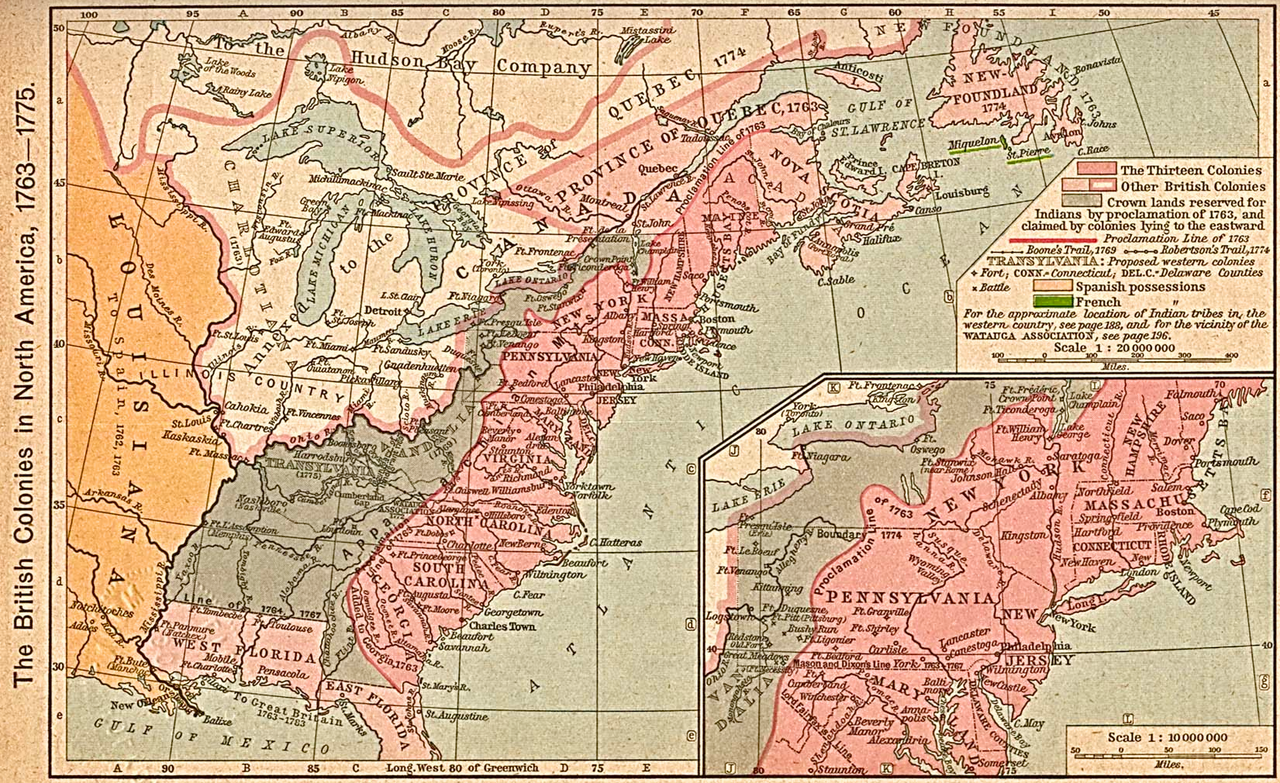
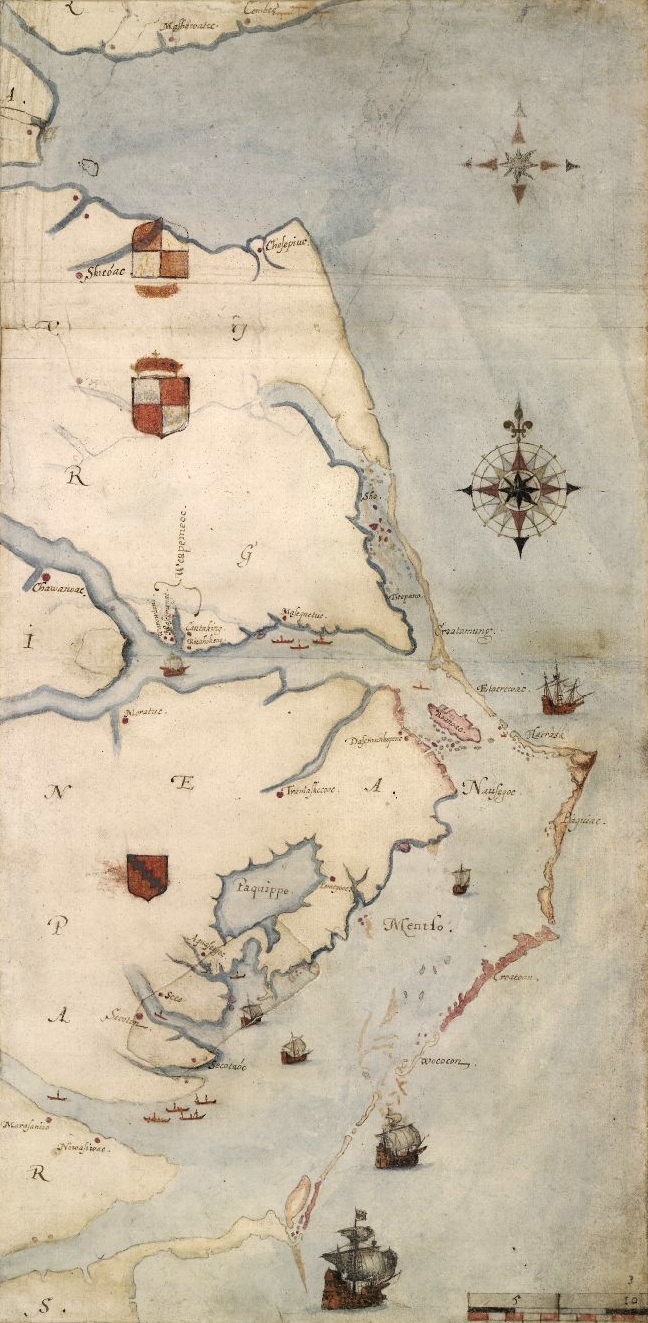
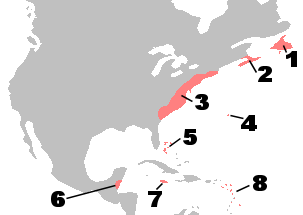
The Thirteen Colonies were British settlements on the eastern coast of North America founded between the early 17th century and the early 18th century. Beginning with Jamestown in Virginia in 1607 and concluding with the charter of Georgia in 1732, these colonies developed distinct regional economies, legal institutions, and social structures while remaining tied to transatlantic trade. Settlers arrived for varied reasons: economic opportunity, religious freedom, political ambition, or a fresh start. Over time the colonies forged increasingly autonomous local governments that ultimately declared independence in 1776.
Image gallery
9 Images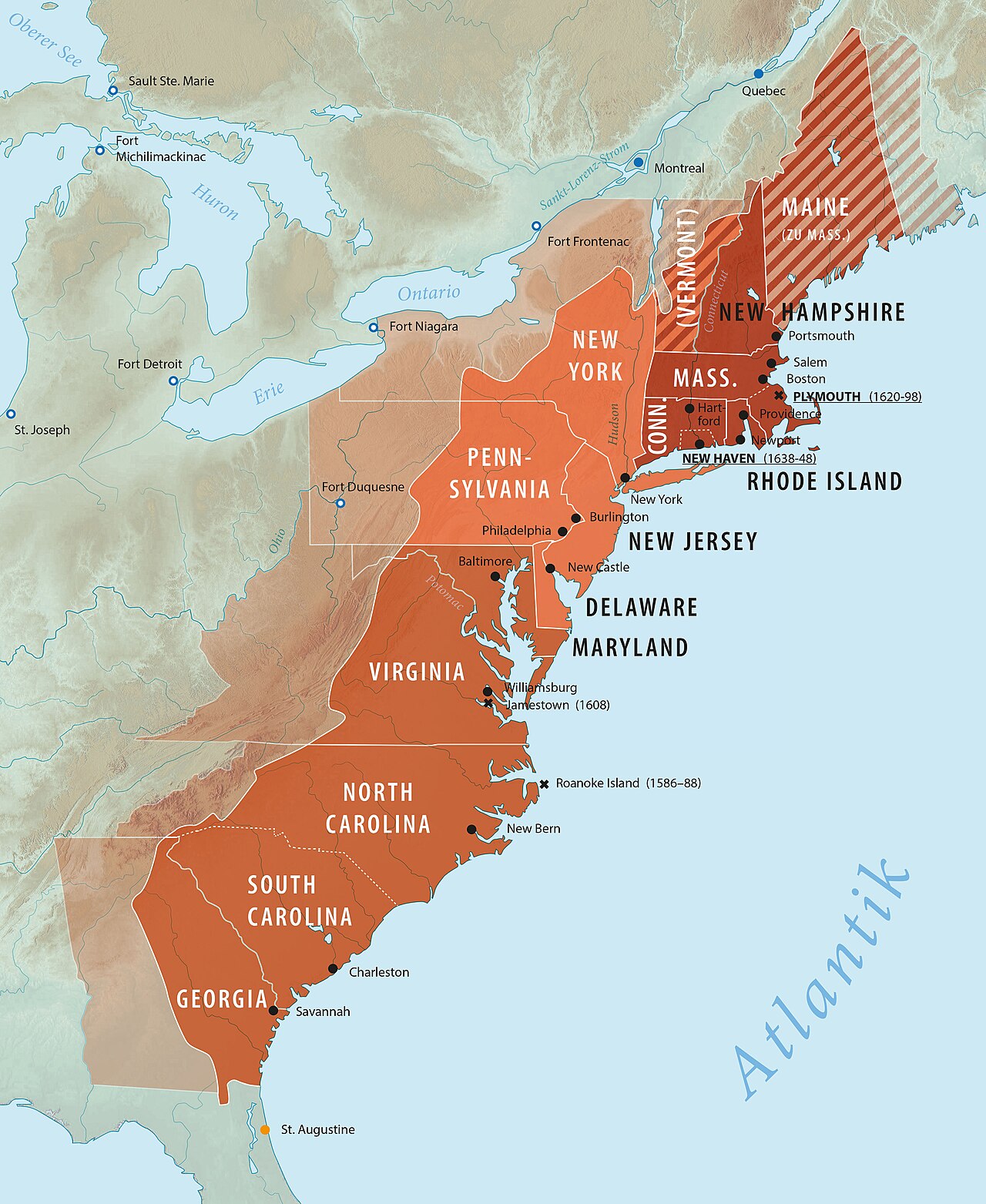



Regions and constituent colonies
Historians commonly group the Thirteen Colonies into three regions based on geography, climate and economic patterns. From north to south they were:
- New England: New Hampshire, Massachusetts, Rhode Island, Connecticut.
- Middle Colonies: New York, New Jersey, Pennsylvania, Delaware.
- Southern Colonies: Maryland, Virginia, North Carolina, South Carolina, Georgia.
These groups shared some cultural traits within each region but differed sharply from one another in settlement patterns, agricultural practices, and demographic composition.
Economy and society
Economic life varied with climate and resources. New England relied on small farms, fishing, shipbuilding and timber; towns and coastal trade were central. The Middle Colonies combined agriculture with commerce and were known for larger grain farms and a greater ethnic and religious diversity. The Southern Colonies developed plantation agriculture cultivating tobacco, rice and indigo in earlier periods and later other staple crops. Labor systems evolved from indentured servitude to an entrenched system of chattel slavery in many areas, especially where large-scale plantations dominated.
Government, law and daily life
Each colony operated under a charter, proprietary grant, or royal commission that defined the governor's role and the rights of colonists. Local assemblies emerged as representative bodies asserting budgetary and legislative authority, creating a tradition of self-government. Religious institutions, town meetings, and local courts shaped daily life and community governance. At the same time, colonial elites, merchants and clergy influenced political culture and economic connections to Britain and the wider Atlantic world.
From imperial tensions to independence
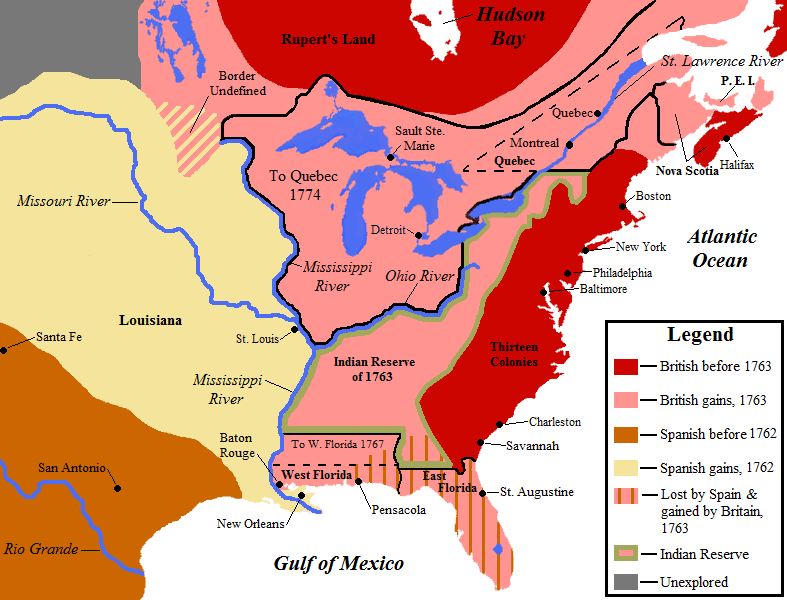
During the 18th century the colonies were part of a thriving Atlantic economy of goods, people and capital, trading with the West Indies, Europe and Africa. After the French and Indian War, metropolitan Britain tightened imperial control and introduced new taxes and regulations to raise revenue and manage the empire. Measures perceived as overreach—coupled with principles of local control developed over decades—fostered political resistance. A sequence of protests, political organizing and armed conflict culminated in the Continental Congresses and the Declaration of Independence on July 4, 1776, when the colonies proclaimed themselves free and independent states.
Legacy and distinctions
The legacy of the Thirteen Colonies includes legal traditions, patterns of settlement, and social divisions that shaped the later United States. Their regional differences—religious culture in New England, pluralism in the Middle Colonies, plantation slavery in the South—help explain many political and social developments in American history. The transition from colonial possessions to independent states was shaped by long-standing institutions and by new ideas about rights, representation and sovereignty.
Further reading and related links
- Colonial overview and maps
- British North America context
- Eastern Seaboard geography
- Trade with Europe
- Tobacco cultivation and commerce
- Religious motivations for settlement
- Political reforms and colonial ambitions
- Virginia and Jamestown foundations
- Jamestown settlement details
- Charter of Georgia
- History of New Hampshire
- Massachusetts colony records
- Rhode Island origins
- Connecticut colony and charter
- New York colonial history
- New Jersey settlement
- Pennsylvania and religious pluralism
- Delaware early government
- Maryland and proprietary rule
- North Carolina development
- South Carolina plantation economy
- New England regional identity
- Connecticut in regional context
- Forestry and shipbuilding
- Lumber trade details
- Plantation agriculture
- Rise of cotton production
- Indentured servitude
- Colonial merchant shipping
- Role of colonial merchants
- Precious metals and trade
- Manufactured goods in commerce
- Atlantic connections to Africa
- French and Indian War overview
- Great Britain and imperial policy
- Taxes and colonial legislation
- Escalation to armed conflict
- American Revolutionary War summary
- Declaration of Independence text and history
Questions and answers
Q: What were the Thirteen Colonies?
A: The Thirteen Colonies were colonies in British North America located on the Eastern Seaboard of what is now the United States.
Q: Why did people found these colonies?
A: People founded these colonies for a variety of reasons, such as to make money from new goods not available in Europe, to find religious freedom or just to start anew, and to gain control and change things they didn't like about England.
Q: When was the first colony established?
A: The first colony was Virginia, which was established in 1607 at Jamestown.
Q: What was the last colony of the thirteen to be started?
A: The last colony of the thirteen to be started was Georgia in 1732.
Q: How are the colonies typically divided into groups?
A: The colonies are often divided into three groups - New England (New Hampshire, Massachusetts, Rhode Island and Connecticut), Middle Colonies (New York, New Jersey, Pennsylvania and Delaware) and South (Maryland, Virginia, North Carolina, South Carolina and Georgia).
Q: What activities did colonists focus on in New England?
A: In New England colonists focused on small farming activities such as fishing, forestry (trees and lumber), shipping and small industry.
Q: How did plantations become farmed initially? A: Plantations were initially farmed by indentured servants who would work for a period of years in return for their passage to America and land. Later they were replaced by slaves.
Related articles
Author
AlegsaOnline.com Thirteen Colonies of British North America Leandro Alegsa
URL: https://en.alegsaonline.com/art/99419