
Puritanism: origins, beliefs, and historical influence
Puritanism was a reform movement within English Protestantism in the 16th–17th centuries emphasizing moral rigor, scriptural authority, and simpler worship; it shaped religion, society, and colonial life.
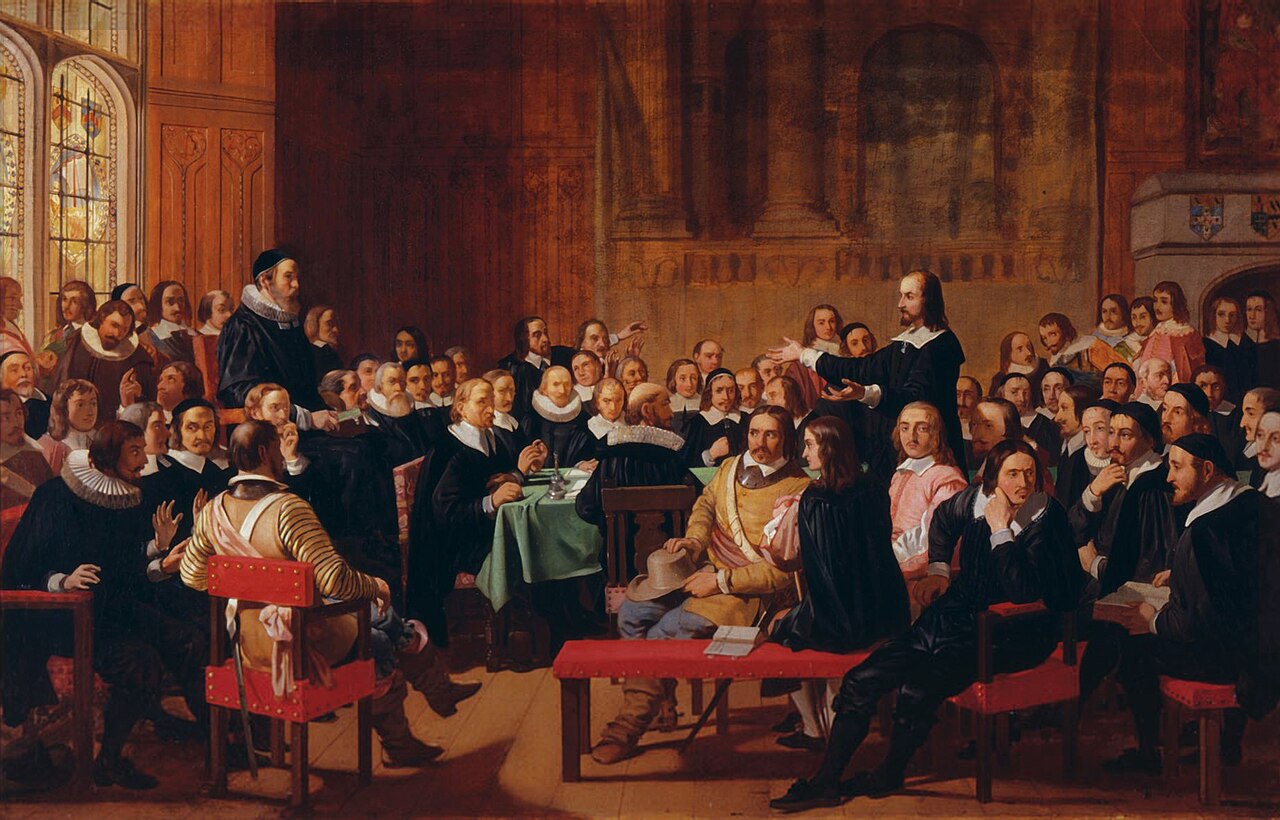
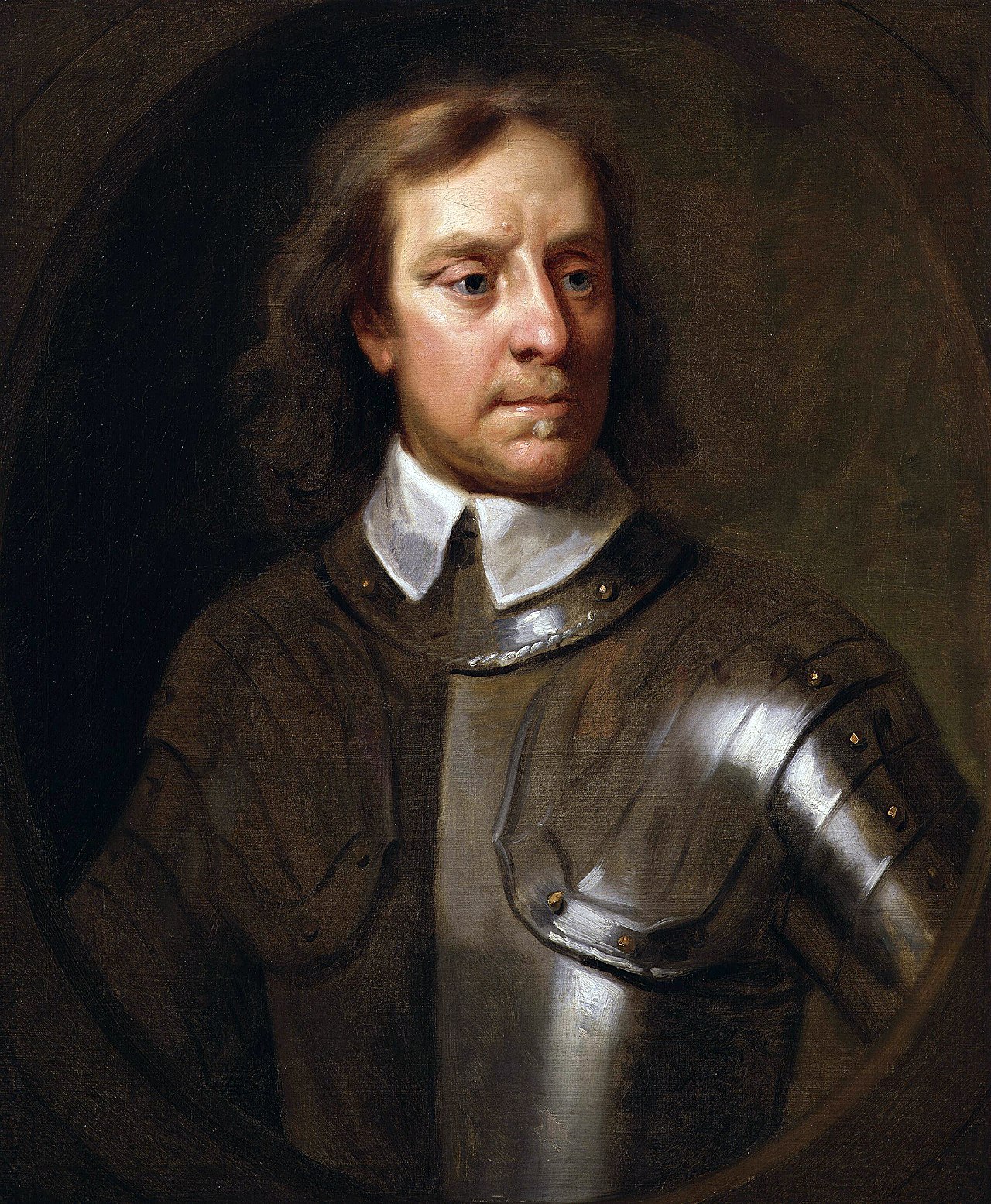
Puritanism was a movement within English-speaking Protestantism that emerged in the late 16th century and became influential through the 17th century. It grew out of dissatisfaction with the English Reformation and with the settlement reached by the Church of England. Puritans argued that the reforms of the 1530s and later had not gone far enough to remove ceremonies, hierarchies, and teachings they regarded as continuations of Catholicism. The movement was not a single organization but a diverse set of clergy, laypeople, and congregations united by a desire for greater religious purity.
Image gallery
10 Images




Core beliefs and practices
Puritan theology drew heavily on the Bible and on Reformed ideas. Central commitments included a high view of the Bible as the guide for faith and life, an emphasis on God's sovereignty, and a call to personal and communal holiness. Puritans prized plain and direct preaching, valued moral discipline, and sought to reorder congregational life around what they believed were biblical patterns. They typically rejected elaborate ritual and ornamentation in worship, and they emphasized conversion, piety, and the careful regulation of conduct.
Typical Puritan practices included regular and serious study of Scripture, frequent public and private prayer, and a concern that outward behavior reflect inward faith. They affirmed doctrines associated with the Reformed tradition and with Calvinists, and they often shared affinities with Scottish Presbyterian practice. At the same time Puritan communities varied in organization and liturgy: some remained within the Church of England while others became Separatists who left to form independent congregations.
Historical development and migration
The English religious settlement changed with political shifts: King Henry VIII’s break with Rome in the 1530s produced a national church, Queen Mary restored Roman Catholic worship for a few years, and Queen Elizabeth I re-established a Protestant settlement that many considered insufficiently reformed. From the late 16th century through the 17th century, disagreements over doctrine, clerical discipline, and church government led Puritans to press for further reforms.
Facing restriction or persecution at various times, a number of Puritans emigrated to other countries and to North America. Some migrants were the Pilgrims who sailed on the Mayflower in 1620; others settled in Massachusetts and other colonies during the so-called Great Migration. In the colonial context, Puritan ideas shaped social institutions, education, and law, and their influence endured long after the movement's intensity in England diminished.
Social forms, culture, and influence
Puritanism affected domestic life, education, and public morality. Leaders promoted literacy for Bible reading, organized congregational oversight of behavior, and endorsed simple dress and modest living. Preaching was central: ministers delivered extended sermons that often warned of divine judgment and the dangers of sinful behavior. Later figures in the Anglo-American tradition, including the preacher Jonathan Edwards, drew on Puritan emphases in their rhetoric and spiritual concerns.
- Characteristics: plain worship, biblical centrality, moral rigor, emphasis on preaching and conversion.
- Institutions: congregational discipline, catechesis, and support for schools and colleges.
- Cultural impact: literature, social norms, and political ideas in England and colonial New England.
Notable writings and later legacy
Puritan authors produced sermons, catechisms, diaries, and devotional works that circulated widely. One well-known prose work associated with the broader Puritan world is John Bunyan’s The Pilgrim’s Progress, an allegory of the spiritual life. Puritan writings influenced later evangelical movements, moral reform campaigns, and the intellectual climate of Anglo-American Protestantism.
Puritanism declined as a distinctive movement over time, absorbed into broader Protestant denominations and modified by social change. Nevertheless, its concern for scriptural authority, community discipline, and a serious religious life left a lasting imprint on religious practice, educational priorities, and public culture in countries where Puritans settled, particularly New England. For readers exploring the subject further, useful topics include the distinction between nonconformists and conformists, the role of migration in shaping communities, and the varied expressions of Puritanism across the British Isles and the Atlantic world.
Further reading can consider early controversies over the Church of England, the dynamics of the English Reformation, Puritan efforts at local societies, and the theological connections with Calvinists and Scottish traditions. Primary texts and sermons, including warnings about Hell and calls to sincere worship, reveal the movement’s inward and communal aims.
Because the Puritan story spans ecclesiastical, cultural, and colonial history, it is best approached through multiple perspectives: theological, social, and literary. These perspectives together show why a movement that began as a call to reforms in worship and life has remained an important reference in discussions of conscience, authority, and community values.
Questions and answers
Q: Who were the Puritans?
A: The Puritans were a group of English-speaking Protestants in the 16th and 17th centuries who thought that the English Reformation had not gone far enough. They also did not agree with some of the things the Church of England did.
Q: What was their way of life and set of beliefs called?
A: Their way of life and set of beliefs was called Puritanism.
Q: What were some important parts of Puritanism?
A: Some important parts of Puritanism included piety (obeying religious rules), dressing simply, and living a modest life. They also believed that every person needed to understand the Bible in his own way, and they tried to live by its teachings in every way.
Q: How did they try to be spiritually pure?
A: The Puritans tried to be spiritually pure by doing God's will (what God wanted) so that they could be rewarded with happiness in the future.
Q: What reforms did they make in their churches and societies?
A: The Puritans made reforms, or changes, in their own churches and societies such as making preaching very important, using as little ritual and decoration as possible, and emphasizing Hell in sermons.
Q: Why did many groups emigrate to New England?
A: Many groups emigrated to New England so that they could start their own societies there where they could practice Puritanism the way they wanted without interference from other religions or governments.
Q: What is an example of an important work written by a Puritan?
A: An example of an important work written by a Puritan is John Bunyan's "The Pilgrim's Progress".
Related articles
Author
AlegsaOnline.com Puritanism: origins, beliefs, and historical influence Leandro Alegsa
URL: https://en.alegsaonline.com/art/80137
Sources
- britannica.com : Encyclopedia Brittanica
- books.google.com : separatists&f=false p. 1
- britannica.com : Encyclopedia Brittancia