
Maccabean Revolt
A mid-2nd-century BCE Jewish uprising against Seleucid rule and Hellenizing policies that led to the restoration of the Jerusalem Temple and the rise of the Hasmonean state; commemorated by Hanukkah.
The Maccabean Revolt was an armed Jewish uprising in the mid-2nd century BCE against the rule and cultural policies of the Seleucid Empire. It began as a local resistance to enforced Hellenization and escalated into a broader campaign to recover religious freedom and political autonomy. Over several years the movement, led by members of one priestly family and their followers, liberated Jerusalem, cleansed and rededicated the Temple, and established an independent line of Jewish rulers.
Image gallery
10 Images





Causes and context
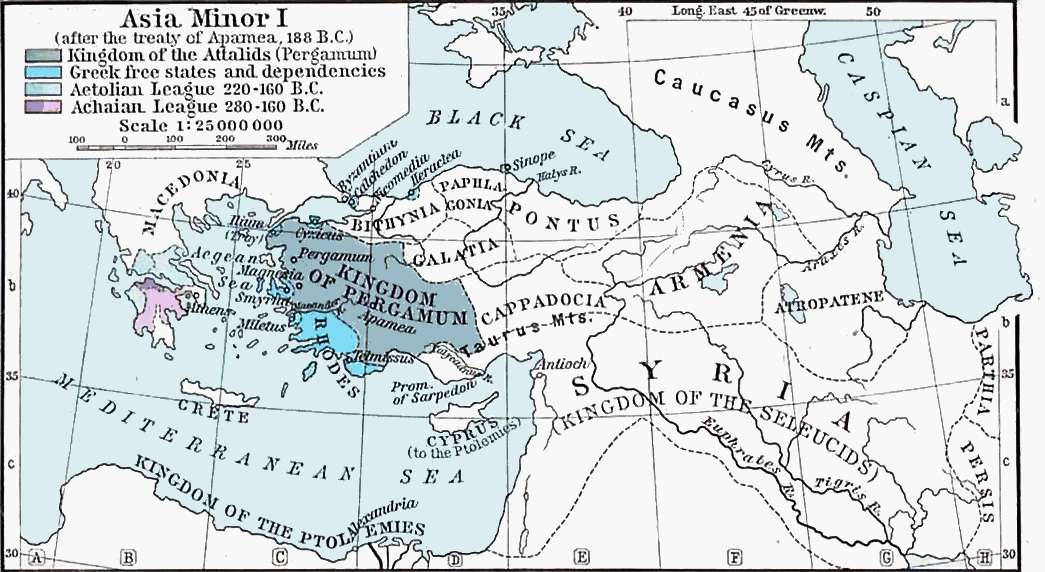
The revolt occurred against a backdrop of cultural and political pressure from Hellenistic rulers who promoted Greek language, institutions and religious practices across their territories, including parts of modern-day Syria and Israel. Under the reign of Antiochus IV Epiphanes several measures—both administrative and cultural—provoked strong opposition among traditional Jewish communities. A pivotal provocation recorded in contemporary sources is the placement of an image associated with the Greek god Zeus in the Jewish Temple in Jerusalem and decrees that curtailed or outlawed key Jewish religious practices.
Leadership and course of the revolt
The uprising began when a priest named Mattathias and his sons led a break with collaborators and mounted guerrilla operations in the countryside. Judah, commonly called Maccabee ("the Hammer"), emerged as the principal military commander. The rebels used hit-and-run tactics against larger Seleucid forces, gradually winning control of much of Judea, retaking Jerusalem, and restoring the Temple. The rededication of the sanctuary became the occasion for a lasting religious commemoration: the festival later known as Hanukkah.
Outcomes and political consequences
In the years after the military successes the leaders of the revolt consolidated authority, founding the Hasmonean dynasty and regaining a degree of Jewish sovereignty often described as a reestablished kingdom of Judah. That autonomy lasted for several decades, combining religious and royal prerogatives in a way that reshaped Jewish governance and society until later Roman intervention. The revolt therefore had both immediate religious significance and long-term political effects.
Sources, evidence and scholarly perspectives
Accounts of the revolt appear in ancient works such as the books known as 1 Maccabees and 2 Maccabees and in later histories by writers like Josephus; archaeology and numismatic evidence also illuminate the period. Modern historians treat the Maccabean episode as a complex conflict with religious, social, and political dimensions: it involved intra-Jewish division between Hellenizing and traditionalist factions as much as it was resistance to foreign rule.
Significance and legacy
- Religious: The purification and rededication of the Jerusalem Temple is remembered in Jewish liturgy and in the festival of Hanukkah.
- Political: The Hasmonean state that followed altered the map of power in the region and provided a model of indigenous rule after Hellenistic domination.
- Cultural and symbolic: The Maccabees have been invoked in later histories and movements as symbols of resistance and the defense of communal identity.
Though popularly remembered as a simple struggle of faithful Jews against a foreign oppressor, the revolt is better understood as a multifaceted episode in which religious conviction, dynastic politics, social tensions, and the wider Hellenistic world all played parts. For readers seeking primary accounts or further scholarship, the ancient narratives and archaeological reports remain essential starting points for exploring how this conflict shaped Jewish history and memory.
Seleucid Empire • Greek culture • Syria • Israel • Zeus • Temple • Judah Maccabee • kingdom of Judah
Related articles
Author
AlegsaOnline.com Maccabean Revolt Leandro Alegsa
URL: https://en.alegsaonline.com/art/60289