
Lockheed P-80 Shooting Star
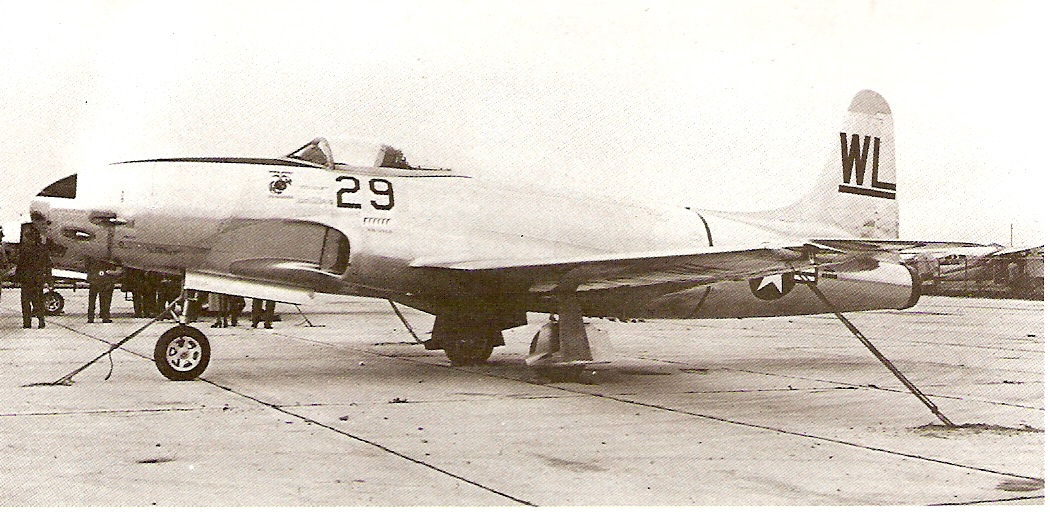
Early American jet fighter developed at the end of WWII. Entered service postwar, flew in Korea, and was the basis for the T-33 trainer and the F-94 interceptor.
Overview
The Lockheed P-80 Shooting Star was one of the first operational American aircraft designed around a turbojet powerplant and intended as a single-seat fighter jet. Conceived during the later stages of World War II, the type arrived too late to participate in sustained combat but made a few notable flyovers of Germany in the closing weeks of World War II. It quickly became an important step in the United States' transition from piston-engined fighters to the jet age.
Image gallery
10 Images


Design and characteristics
Lockheed's design emphasized straightforward construction and high speed for its era. The P-80 featured a mid-mounted straight wing, a single turbojet housed in the fuselage, and a tricycle landing gear layout that simplified ground handling. Early models prioritized speed and climb over range and heavy armament, reflecting the design priorities of first-generation jets. After the conflict, and particularly postwar, refinements improved systems reliability and pilot ergonomics.
Development and designation
Development progressed rapidly during 1943–1945, with prototype testing demonstrating the viability of jet fighters for routine military use. In 1948 the U.S. military standardized aircraft naming and the P-80 designation was changed to F-80. The type served as an early practical lesson in jet-era maintenance, tactics and pilot training for the newly independent United States Air Force, the principal operator referenced as the USAF.
Operational history and export
Although its combat role in Europe in 1945 was minimal, the Shooting Star saw real operational service in the Korean War, where it performed air-to-air and ground-attack missions before being supplemented by newer designs. Several allied and friendly nations operated surplus or licensed aircraft; export and aid recipients included
Variants and legacy
The P-80 airframe proved adaptable. Its two-seat trainer derivative became the widespread T-33 Shooting Star, used for pilot conversion to jets around the world, and a radar-equipped interceptor development led to the F-94 Starfire. Through these descendants the basic design influenced training, interception doctrine and international jet pilot instruction for decades.
Notable facts
Although quickly superseded by swept-wing fighters, the P-80/F-80 was crucial as a first-generation operational jet that bridged wartime urgency and peacetime modernization. It demonstrated practical jet operations for pilots and ground crews and established design lessons that shaped subsequent Lockheed and U.S. fighter programs.
Related articles
Author
AlegsaOnline.com Lockheed P-80 Shooting Star Leandro Alegsa
URL: https://en.alegsaonline.com/art/58781