
Jet aircraft: design, history, and uses
An overview of jet aircraft, their engines and parts, development history, main uses in civil and military aviation, and distinctions from propeller-driven airplanes.
Overview
Jet aircraft are airplanes powered primarily by jet-propulsion systems rather than by externally driven propellers. They are designed to operate efficiently at higher speeds and higher altitudes than most propeller-driven types. Typical modern airliners cruise at altitudes around 30,000–40,000 feet (roughly 9,000–12,000 m), where the thinner air and steady winds help jet engines reach optimal fuel efficiency and speed.
Image gallery
10 Images


Engine types and core components
The term "jet engine" covers several related architectures. The basic elements of most gas-turbine engines include an intake, a compressor, a combustion chamber, a turbine and an exhaust. Common categories are listed below:
- Turbofan: the prevailing choice for modern airliners; combines a ducted fan with a gas turbine to improve efficiency and reduce noise.
- Turbojet: an earlier design that produces all thrust from exhaust flow; used in early jets and some high-speed military aircraft.
- Turboprop: a hybrid where a gas turbine drives a propeller; efficient at lower speeds and altitudes.
- Ramjet and scramjet: specialized engines for very high-speed flight that rely on vehicle speed to compress incoming air.
For clarity, jet-powered airplanes are distinct from propeller-driven aircraft in how thrust is generated and how performance varies with altitude.
History and development
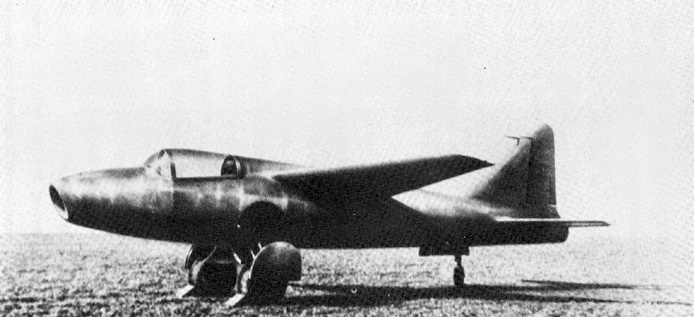
The development of practical jet propulsion in the 1930s and 1940s revolutionized aviation. Engineers such as Frank Whittle and Hans von Ohain are often credited with early independent inventions of workable turbojet engines. After World War II, jet technology progressed rapidly: military jets demonstrated high speed and climb capability, and early civil jets introduced faster long-distance travel.
Notable milestones include the first commercial jet services in the 1950s and successive generations of engines that improved fuel efficiency and reduced noise. Advances such as high-bypass turbofans and composite materials have continued to increase range and lower operating costs.
Uses and examples
Jet aircraft serve a wide range of roles in modern aviation:
- Commercial airliners for passenger and cargo transport, which benefit from speed and high-altitude efficiency.
- Military fighters and bombers that exploit high thrust-to-weight ratios and supersonic capabilities.
- Business jets offering rapid point-to-point travel for small groups.
- Research and experimental platforms, including high-altitude and high-speed testbeds.
Improvements in engine technology and airframe design continue to shape how jets are used and their environmental footprint.
Distinctions and notable facts
Compared with propeller-driven craft, jet aircraft generally cruise faster and operate at greater altitudes. High-altitude flight requires pressurized cabins and systems designed for lower air density. Environmental and regulatory concerns—noise, emissions and contrail formation—have driven engineering responses such as hush kits, low-emission combustors and operational procedures to mitigate impacts. For an introduction to the broader technical and operational context, see more on jet engines.
Jet aircraft remain central to global transport and defense, and evolving technology continues to refine their performance and sustainability.
Related articles
Author
AlegsaOnline.com Jet aircraft: design, history, and uses Leandro Alegsa
URL: https://en.alegsaonline.com/art/50084
Sources
- fiddlersgreen.net : fiddlersgreen.net/models/aircraft/Heinkel-178.html
- bloomberg.com : "Bloomberg - Are you a robot?"