
Training aircraft: role, types, and development
An overview of training aircraft—design, types, history, and role in pilot and crew instruction across civil and military aviation.
Overview
A training aircraft, often called a trainer, is an airplane used primarily to teach flying skills to student pilots and to prepare aircrew for operational aircraft. Trainers are designed with characteristics that simplify instruction: stable handling, forgiving stall behavior, dual controls, and instrumentation suited to stepwise learning. Flight schools, airlines and military academies rely on a progression of trainers to move students from basic handling to advanced operational tasks. See common references to training aircraft and their role in pilot education.
Image gallery
9 Images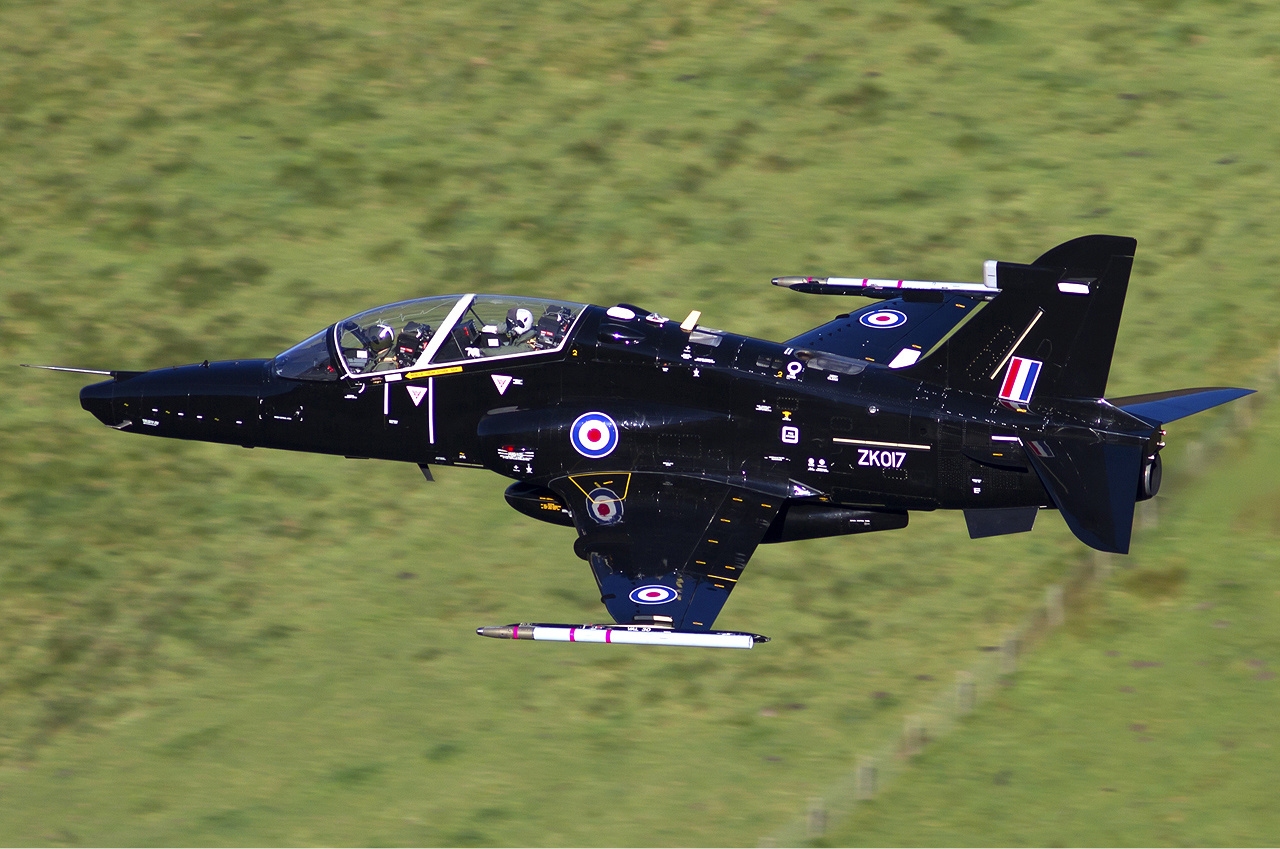



Types and characteristics
Training aircraft are commonly classified by role and complexity. Typical categories include:
- Primary trainers—simple, single-engine planes used for initial lessons.
- Basic/advanced trainers—more powerful or complex aircraft for instrument and formation work.
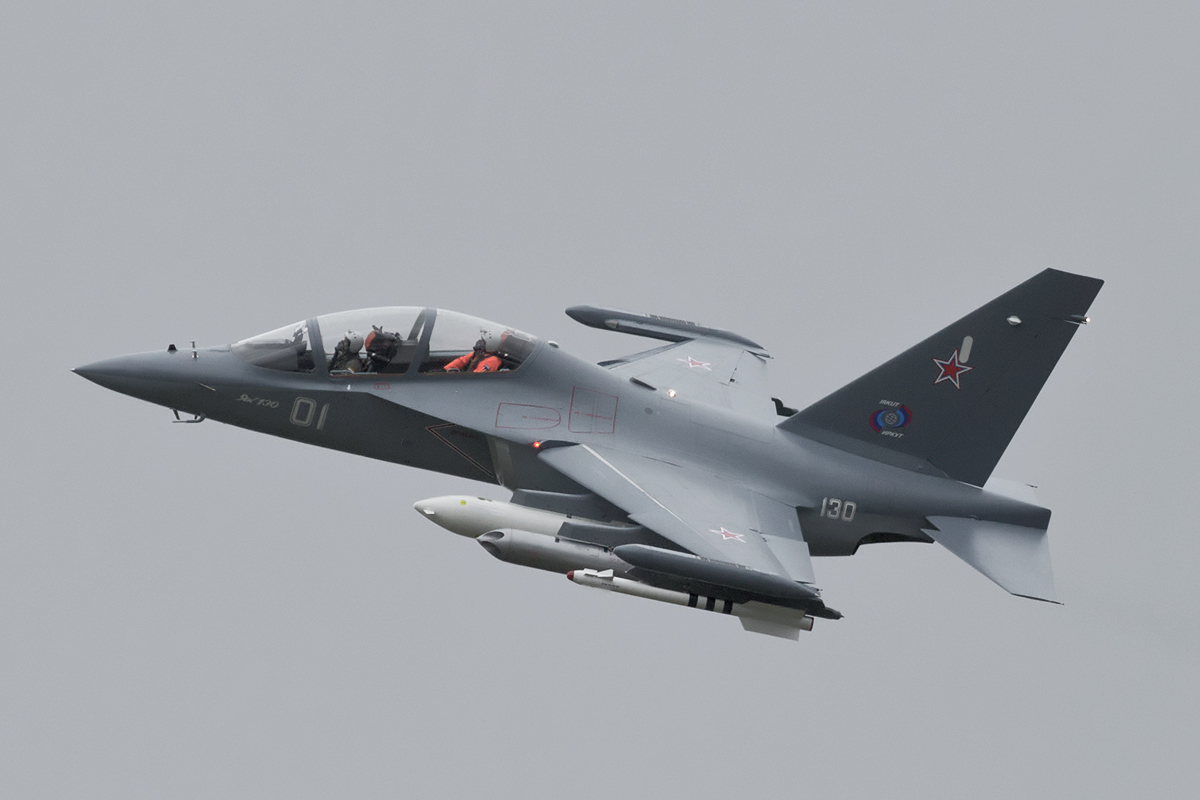
- Jet trainers—fast, high-performance types used by military students before frontline jets.
- Simulator-based trainers—ground systems replicating cockpits for procedures and emergency practice.
Many trainers feature dual controls, simplified avionics panels during early stages, and strong safety margins to reduce risk during student mistakes. Training machines can be piston, turboprop, or jet powered depending on curriculum.
History and development
From the earliest flight schools of the early 20th century to the wartime expansion of pilot training, dedicated trainers evolved to meet instructional needs. Between conflicts and into the jet age, manufacturers adapted designs to simulate operational aircraft while remaining economical and reliable for repeated use.
Uses and importance
Trainers are central to a structured syllabus: they teach basic airmanship, instrument flying, navigation, aerobatics, formation, and tactical maneuvers as required. Civilian programs emphasize engine-out procedures, radio work and night flying; military tracks add weapons handling and high-speed aerodynamics. Examples of common training types are light general aviation trainers used by flying clubs and purpose-built military trainers. For pilot pathways and training resources see pilot training and crew development links such as crew training.
Distinctions and notable facts
Training aircraft differ from operational types by their instructional fit rather than combat or transport capability. They are often cheaper to operate and maintain, and programs make extensive use of simulators to reduce flight hours for costly phases. Manufacturers and schools continuously update trainer avionics and safety features to reflect modern cockpits while retaining the forgiving flight characteristics that aid learning. Further reading and regulatory guidance can be found via official aviation authorities and training organizations: additional resources.
Related articles
Author
AlegsaOnline.com Training aircraft: role, types, and development Leandro Alegsa
URL: https://en.alegsaonline.com/art/101060