
Fighter aircraft: design, roles, history and modern variants
Comprehensive overview of fighter aircraft covering design characteristics, components, roles, historical development, weapons, and distinctions among modern types.
Overview
Fighter aircraft are military fixed-wing airplanes optimized to achieve and maintain control of the air, primarily by engaging other aircraft. They emphasize speed, climb rate, maneuverability and situational awareness so pilots can detect, intercept and defeat airborne threats. While some fighters also attack ground targets, their primary mission sets distinguish them from dedicated bombers and transport aircraft. Modern fighters combine airframe design, propulsion, sensors and weapons into highly integrated platforms for varied tactical roles.
Image gallery
10 Images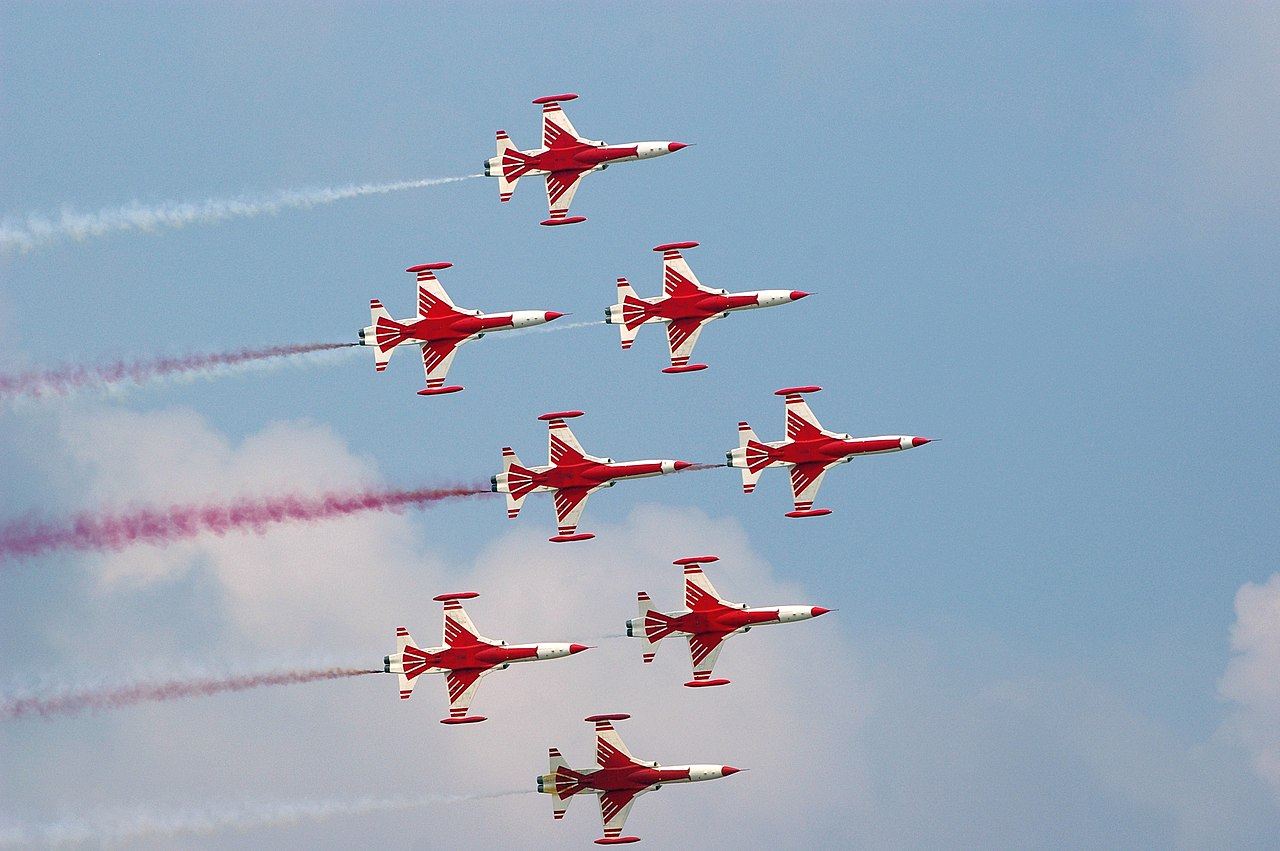


Design features and principal parts
Key design priorities for fighters are aerodynamic efficiency, structural strength and low weight. The major components include fuselage (cockpit and systems), wings and control surfaces, empennage (tail), landing gear, and one or more engines. On military fighters those engines are typically high-thrust turbofan or turbojet types paired with afterburners on many supersonic designs. External and internal hardpoints carry stores; a typical loadout can include a mix of air-to-air and air-to-ground weapons. Avionics—radar, helmet-mounted displays, datalinks and countermeasures—play a central role in modern combat effectiveness.
Weapons and mission equipment
Fighter armament varies by role but commonly includes short- and long-range guided missiles, internal cannons or machine guns, and provisions for unguided or guided bombs when performing ground-attack tasks. Sensors and targeting pods supplement weapons by providing tracking, laser designation and imagery for precision strikes. Defensive systems include electronic warfare suites, chaff and flares. Some fighters are optimized for interception, others for sustained dogfighting or multirole flexibility.
Roles and operational uses
Fighter roles have diversified into distinct mission types: air-superiority fighters focus on controlling the skies; interceptors are configured for rapid climb and short engagement; multirole fighters perform both air and ground missions; and specialized variants include air-superiority designs and night fighters capable of low-visibility operations. Fighters may be tasked to escort other aircraft, conduct combat air patrols, suppress enemy air defenses, or perform close air support. Although fighters can attack surface targets, they differ from bombers in scale and doctrinal use. They can also engage mobile vehicles, hostile personnel and fixed infrastructure when required, often using precision munitions and sensors.
History and development
Fighter aircraft emerged in the early 20th century as aircraft became weapons platforms and aerial engagement tactics developed. Over successive eras—piston-engine biplanes, early monoplanes, jet propulsion, supersonic flight, and stealth technologies—designs shifted to meet evolving threats and technology. Radar, guided missiles and high-performance engines dramatically changed tactics after World War II. The late 20th and early 21st centuries introduced digital avionics, networked sensors and signature reduction that continue to shape fighter capabilities.
Notable distinctions and trends
Important distinctions among fighters include single-role versus multirole, subsonic versus supersonic performance, and conventional versus stealthy low-observable designs. Modern trends emphasize sensor fusion, electronic warfare, unmanned teaming and increased emphasis on beyond-visual-range engagements enabled by datalinks and missiles. Specialized variants such as interceptors, night fighters and series optimized for sustained air superiority remain part of many air forces' inventories. For further technical references and procurement details consult dedicated sources and defense publications via links such as gun and system overviews, attack aircraft comparisons and manufacturer material available at weapon system briefs.
- Typical components: engines, wings, avionics, weapons stations.
- Common missions: air superiority, interception, multirole strike, escort.
- Historic turning points: introduction of jets, guided missiles, stealth.
For introductory summaries and technical glossaries see general military aviation references and curated online resources linked below: propulsion, armaments, missile types, ground target doctrine, and personnel engagement.
Related articles
Author
AlegsaOnline.com Fighter aircraft: design, roles, history and modern variants Leandro Alegsa
URL: https://en.alegsaonline.com/art/34262