
Flyover (ceremonial aircraft display)
A flyover (or flypast) is a planned ceremonial flight by one or more aircraft performed over events, memorials, or national celebrations; this article covers purpose, planning, history, and safety.
Overview
A flyover, sometimes called a flypast in British English, is a planned, ceremonial flight by a single aircraft or a formation of aircraft flown over an event. Flyovers are choreographed to mark public celebrations, sporting occasions, state ceremonies and remembrances. They are visual tributes intended to add spectacle, honor or symbolism to a gathering by displaying aircraft in formation, with smoke trails or national colors.
Image gallery
10 Images


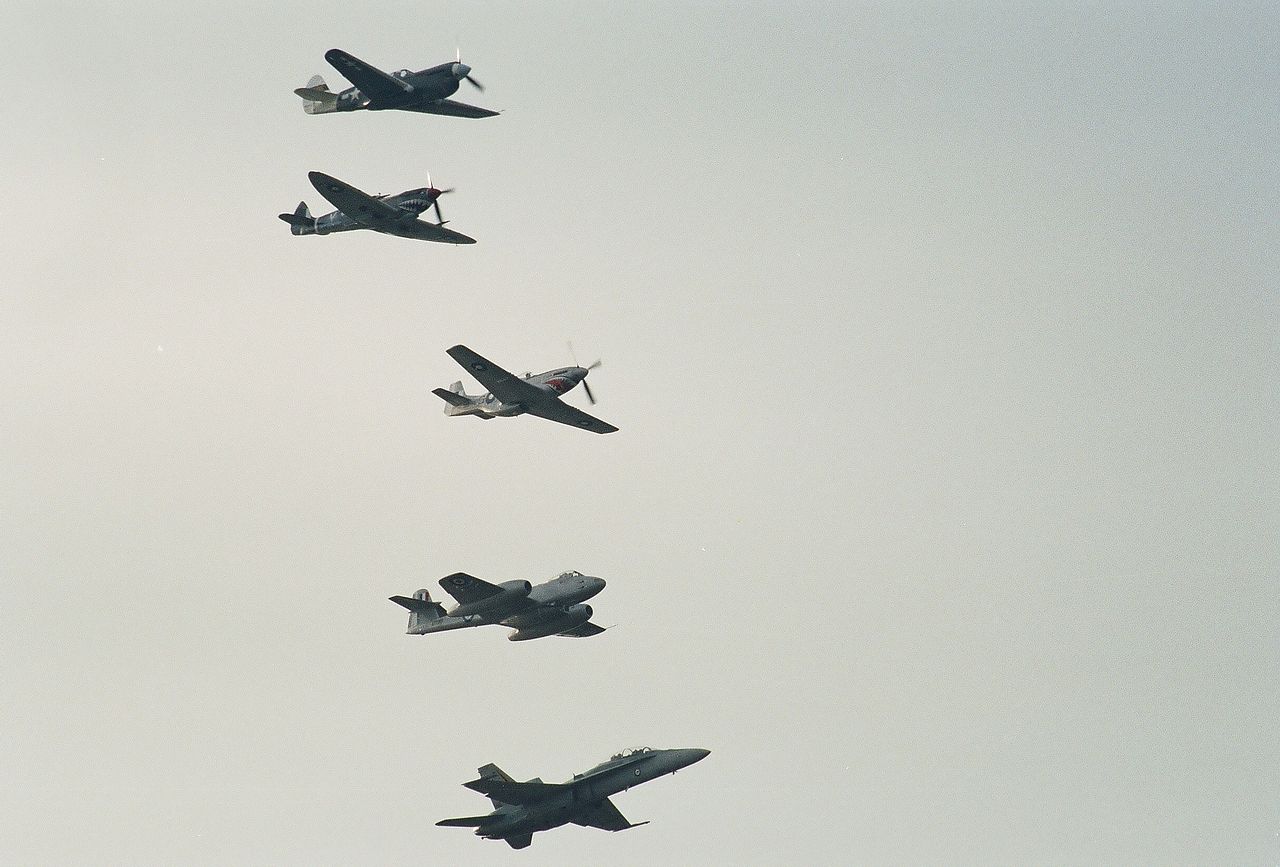


History and terminology
The practice grew from early 20th‑century aerial displays and military reviews, evolving into a formal part of many national ceremonies. In some countries the term flypast is preferred, while flyover is more common elsewhere. Flyovers are associated with military and demonstration teams, but can also feature transport or historic aircraft. For background on formal uses of aerial displays see ceremonial flight.
Characteristics and planning
Typical elements of a flyover include formation flying, timing to coincide with a key moment (for example, right after a national anthem), and the use of colored smoke or banner towing to show flags or messages. Planning involves detailed airspace coordination, safety margins, precise navigation, and rehearsals. Organizers must obtain permissions from aviation authorities and notify the public and local air traffic control.
Occasions, examples and symbolism
- National holidays and military parades
- Major sporting finals and civic celebrations
- Commemorations and memorial services — memorial flights have been included in anniversaries of major events such as those remembering 9/11 and other tragedies; see memorial flyovers
- Airshows and public demonstrations by aerobatic teams
Well‑known demonstration teams that often perform flyovers include aerobatic squadrons from several countries; such teams are noted for precise formation work and colored smoke trails.
Safety, regulation and public reaction
Because flyovers take place over populated areas, they are subject to strict safety rules: minimum altitudes, emergency procedures, and coordination with local authorities. They can attract criticism when they cause noise, environmental concerns, or when timing clashes with sensitive events. Organizers balance spectacle with safety and public consent.
Distinctions and notable facts
"Flyover" can also mean a road overpass in other contexts, so the meaning depends on usage. In aviation contexts, flyovers differ from air shows by being short, ceremonial passages rather than extended aerobatic displays. For regional practices and ceremonial protocols, see material provided by national authorities or ceremonial organizations, for example in Commonwealth countries where flypasts are a common feature of civic life — further reading is available at regional ceremonial guidance.
Related articles
Author
AlegsaOnline.com Flyover (ceremonial aircraft display) Leandro Alegsa
URL: https://en.alegsaonline.com/art/35313