
Ecuador: geography, history, economy and notable facts
Concise guide to Ecuador — its regions, historical background from pre-Columbian and Spanish rule, economy (bananas, cocoa, oil), biodiversity, society and notable distinctions such as the Galápagos and the equator.
Ecuador is a compact Andean and coastal nation in western South America. It lies on the equator, a fact reflected in its Spanish name. The country's territory includes low coastal plains, the highlands of the Andes and parts of the Amazon basin, together with the volcanic Galápagos Islands. As a small country in South America, Ecuador is notable for its ecological variety and relatively concentrated population centers such as the capital, Quito, and the largest port city, Guayaquil.
Image gallery
10 Images

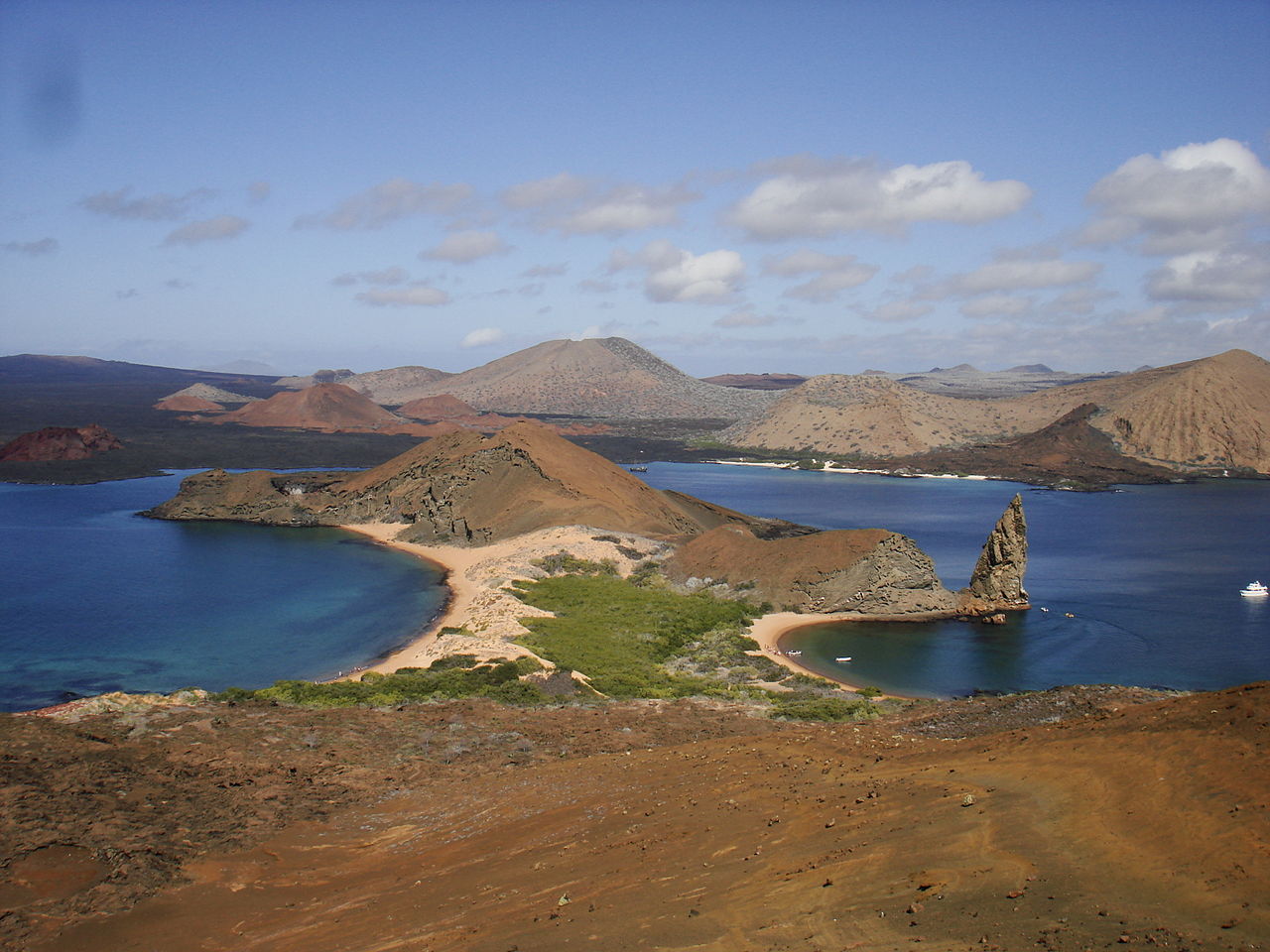


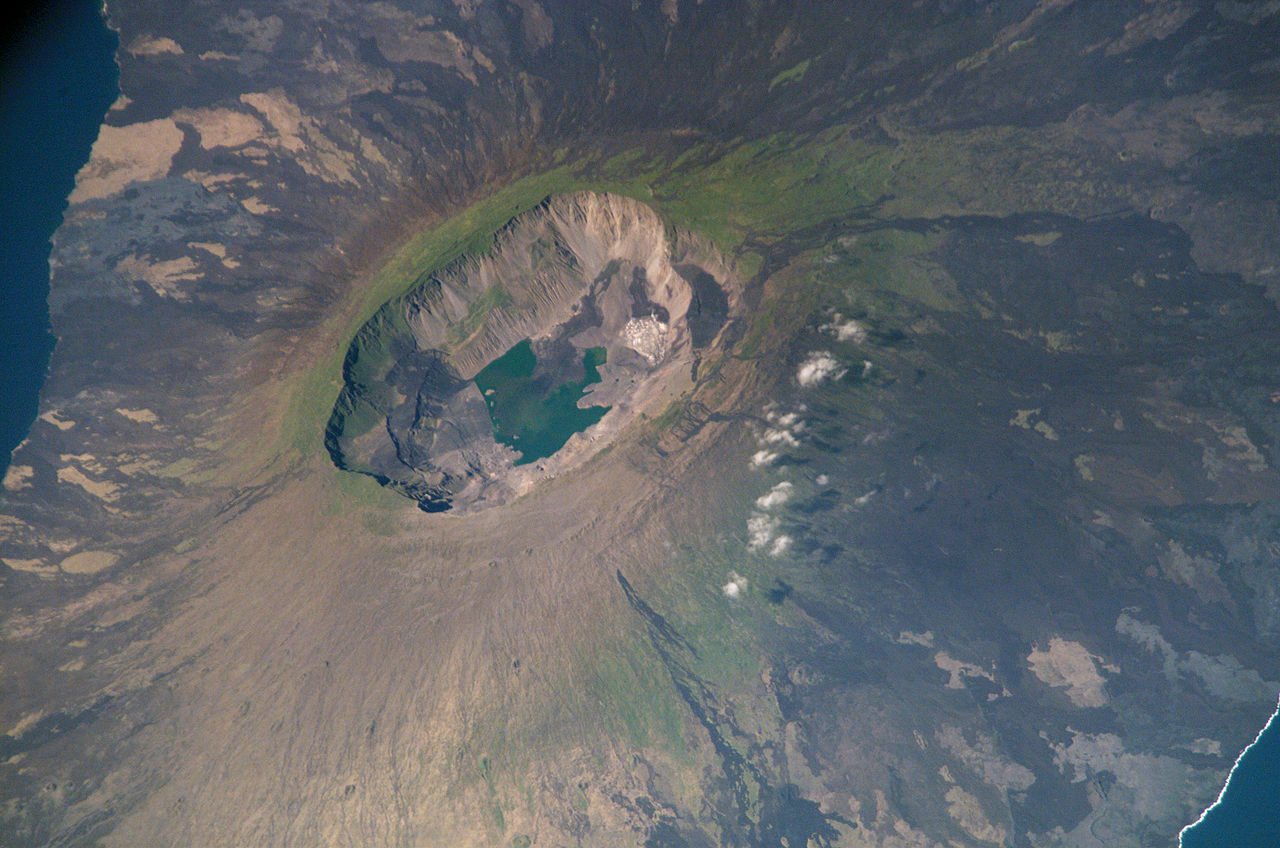

Geography and regions
Ecuador is commonly divided into four geographic regions: the coastal lowlands, the Andean highlands, the Amazonian rainforest and the insular Galápagos. The Andes shape much of the country's climate and settlement patterns; Quito sits at high elevation and preserves colonial architecture and historic neighborhoods. The Galápagos archipelago, lying far to the west, is internationally important for evolutionary biology and conservation.
History and origins
Before European colonization, the territory that is now Ecuador was influenced by several pre-Columbian cultures and was incorporated into the Inca Empire prior to Spanish arrival. During the colonial era the region was administered under the Spanish crown and attracted attention for mineral resources and agricultural potential, including Spanish expeditions interested in finding gold. Ecuador later became independent in the early nineteenth century and developed its own republican institutions.
Economy, society and culture
Ecuador's economy combines agriculture, petroleum production, aquaculture, and services. The country is a major exporter of agricultural goods: bananas and cocoa are among its best-known products, alongside shrimp, flowers and oil. Spanish is the predominant language, while several indigenous languages — notably Quechua varieties — remain important in many communities. The nation has also used the US dollar as its currency since the early 2000s, which has influenced monetary policy and trade.
Notable facts and governance
Ecuador's name and identity are linked to its position on the equator. The Galápagos Islands provide a globally significant example of endemic wildlife and have driven conservation and ecotourism efforts. Politically, the country's leadership has varied; the office of President has been held by various figures in recent years, including Guillermo Lasso, who was elected president in 2021. Ecuador's colonial past under the Spanish Empire and the role of Spain in early exploration and extraction are important to understanding its modern social and economic patterns, including the search for gold that drew early colonists. Its precolonial ties to the Inca Empire also remain a significant part of national history.
Further notes
- Major cities: Quito (capital), Guayaquil (largest port and commercial center).
- Natural highlights: Andean volcanoes, Amazon rainforest, Galápagos biodiversity.
- Exports and resources: bananas and cocoa, oil, shrimp and flowers feature prominently in trade.
Questions and answers
Q: Where is Ecuador located?
A: Ecuador is located in South America.
Q: What was Ecuador's history with Spain?
A: Ecuador used to be part of the Spanish Empire, and Spain was interested in finding gold in Ecuador.
Q: What empire did Ecuador belong to before Spain?
A: Before Spain, Ecuador was part of the Inca Empire.
Q: Who is the current President of Ecuador?
A: The current President of Ecuador is Guillermo Lasso, since 2021.
Q: What are some products that Ecuador produces?
A: Ecuador produces bananas and cocoa.
Q: Is Ecuador a large or small country?
A: Ecuador is a small country in South America.
Q: What was Spain's interest in Ecuador?
A: Spain was interested in finding gold in Ecuador.
Related articles
Author
AlegsaOnline.com Ecuador: geography, history, economy and notable facts Leandro Alegsa
URL: https://en.alegsaonline.com/art/29994
Sources
- cia.gov : "World Factbook"
- merriam-webster.com : "Ecuador entry at MW.com"
- telesurtv.net : "Ecuador Sets 2017 Election Date, Marking Correa's Last Year"
- inec.gob.ec : "Preliminary result of Ecuadorian census held on 28 November 2010" · web.archive.org
- imf.org : "Ecuador"
- data.worldbank.org : "Gini Index"
- ecuadorexplorer.com : "Ecuador Facts & Statistics"
- adsabs.harvard.edu : "Survey of Volcanic Activity in Ecuador using L-band SAR"
- geotimes.org : "When Volcanoes Threaten, Scientists Warn"
- state.gov : "Ecuador"
- britannica.com : "Ecuador - History, Geography, & Culture"
- inec.gob.ec : "Censo de 2010" · web.archive.org · web.archive.org